

Bhang lassi, a traditional Indian beverage, has roots that stretch back thousands of years, intertwining with the cultural and spiritual fabric of the subcontinent. The use of bhang, which is derived from the leaves and flowers of the cannabis plant, can be traced to ancient texts such as the Vedas, where it is mentioned as a sacred plant with medicinal properties. Historical records indicate that bhang was consumed during religious festivals and rituals, particularly in connection with the worship of Lord Shiva.
The association with Shiva, who is often depicted as a lover of bhang, has solidified its place in Hindu mythology and practices. The preparation of bhang lassi has evolved over centuries, with regional variations reflecting local customs and tastes. In ancient times, it was often consumed during festivals like Holi, where its psychoactive effects were believed to enhance the celebratory spirit.
The drink was not only a source of enjoyment but also served as a means to foster community bonding. As India transitioned through various dynasties and colonial influences, the consumption of bhang lassi remained a constant, adapting to changing societal norms while retaining its significance in traditional practices.
Key Takeaways
- Bhang lassi has been consumed in India for centuries, with its origins dating back to ancient Hindu texts and rituals.
- Bhang lassi holds cultural significance in India, particularly during the Holi festival, where it is consumed as a part of the celebration.
- The traditional recipe for bhang lassi includes ingredients such as cannabis leaves, milk, spices, and nuts, and is prepared by grinding the cannabis leaves into a paste and mixing it with the other ingredients.
- Cannabis is illegal in India, but bhang, a derivative of the cannabis plant, is legal and widely consumed in the form of bhang lassi.
- Bhang lassi is known for its psychoactive effects and is believed to have medicinal benefits, such as pain relief and relaxation. It can be found in government-licensed bhang shops and certain regions of India, particularly in Varanasi and Jaisalmer.
The Cultural Significance of Bhang Lassi
Bhang lassi is more than just a drink; it embodies a rich tapestry of cultural significance in India. Its consumption is deeply embedded in various religious and social contexts. During festivals such as Holi and Maha Shivaratri, bhang lassi is often prepared and shared among friends and family, symbolizing unity and joy.
The drink is not merely a recreational substance; it serves as a medium for spiritual connection and introspection. Many devotees believe that consuming bhang lassi during religious observances enhances their spiritual experience, allowing them to transcend the mundane and connect with the divine. Moreover, bhang lassi has been celebrated in Indian literature and folklore.
Poets and writers have extolled its virtues, often associating it with creativity and inspiration. The drink has found its way into various art forms, from classical music to contemporary cinema, where it is depicted as a catalyst for artistic expression. This cultural portrayal reinforces its status as a symbol of liberation and creativity, making it an integral part of India’s artistic heritage.
The Ingredients and Preparation of Bhang Lassi
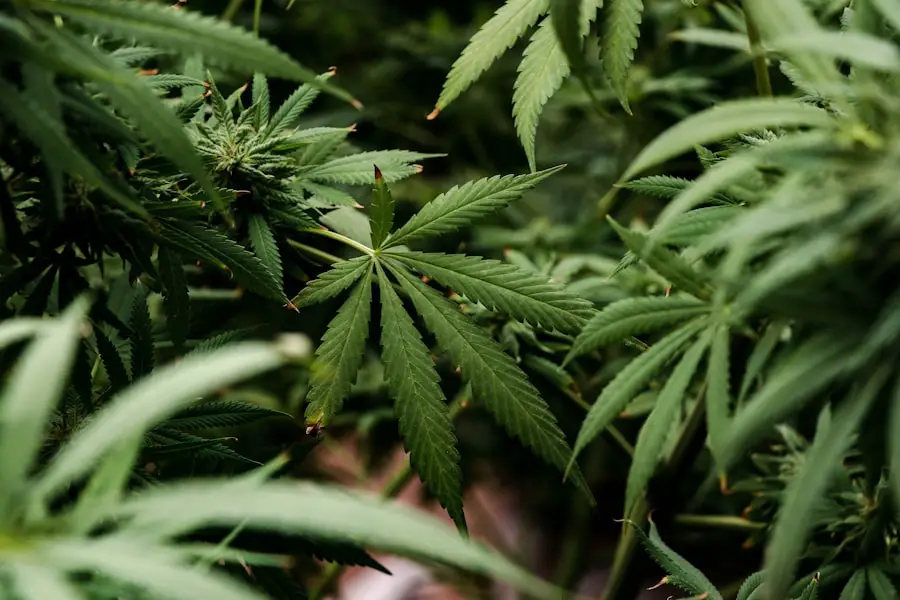
The preparation of bhang lassi is an art that combines various ingredients to create a refreshing and potent beverage. The primary ingredient, bhang, is typically ground into a fine paste using a mortar and pestle. This process often involves mixing the bhang with water or milk to extract its active compounds effectively.
Traditional recipes may include a variety of spices such as cardamom, saffron, and black pepper, which not only enhance the flavor but also contribute to the drink’s aromatic profile. Once the bhang paste is prepared, it is blended with yogurt or buttermilk to create a creamy texture. Sweeteners like sugar or jaggery are added to balance the bitterness of the cannabis, while fresh mint leaves or rose water can be incorporated for additional freshness.
The final product is a vibrant green concoction that is both visually appealing and flavorful. In some regions, variations may include fruits like mango or banana, adding a tropical twist to the classic recipe. The preparation process itself is often communal, with families gathering to make bhang lassi during festive occasions, reinforcing social bonds.
The Legal Status of Cannabis in India
The legal status of cannabis in India is complex and often misunderstood. While cannabis has been used for centuries in various forms, including bhang, its legal framework has evolved significantly over time. The Narcotic Drugs and Psychotropic Substances Act of 1985 classifies cannabis as an illegal substance; however, it makes an exception for bhang, which is considered a traditional preparation.
This legal ambiguity allows for the continued consumption of bhang lassi in many parts of India, particularly during festivals. Despite its legal status, the enforcement of cannabis laws varies widely across states. In some regions, bhang is openly sold in government-licensed shops during specific festivals, while in others, it remains stigmatized and subject to strict regulations.
This inconsistency reflects broader societal attitudes towards cannabis use in India. While many view bhang as an integral part of cultural heritage, others associate it with illicit drug use. As discussions around cannabis legalization gain momentum globally, India’s unique relationship with bhang continues to be a topic of debate among policymakers and cultural commentators alike.
The Effects and Benefits of Bhang Lassi
Bhang lassi is renowned for its psychoactive effects, primarily due to the presence of tetrahydrocannabinol (THC), the compound responsible for the euphoric sensations associated with cannabis consumption. When consumed in moderation, bhang lassi can induce feelings of relaxation and euphoria, making it a popular choice during festive celebrations. Many users report enhanced sensory experiences, such as heightened appreciation for music and art, which aligns with its historical association with creativity.
Beyond its recreational use, bhang lassi has been attributed with various medicinal benefits in traditional Ayurvedic practices. It is believed to aid digestion, relieve stress, and even alleviate chronic pain conditions. Some proponents argue that the drink can help manage anxiety and depression due to its calming effects on the mind.
However, it is essential to approach these claims with caution; individual responses to cannabis can vary significantly based on factors such as dosage and personal tolerance levels.
Where to Find Bhang Lassi in India
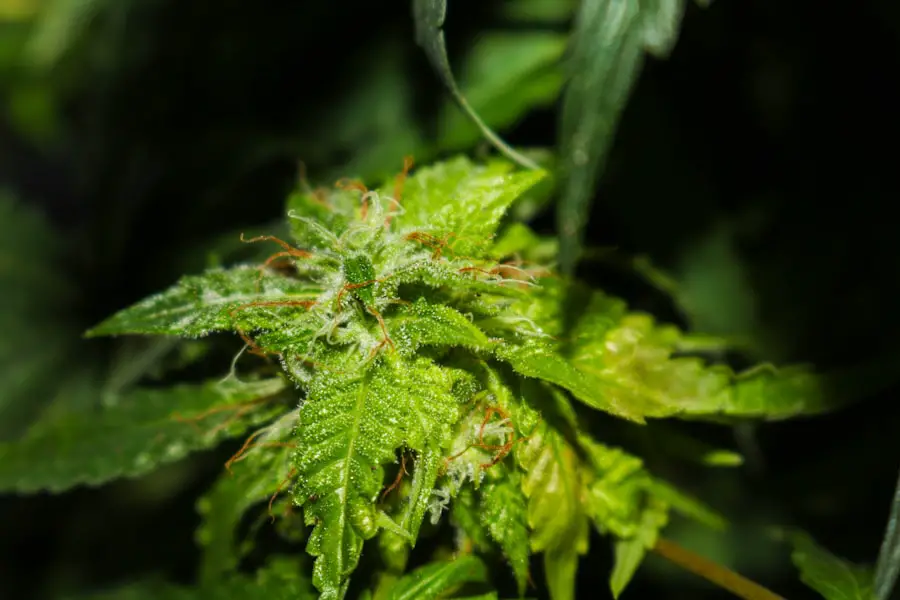
Finding authentic bhang lassi in India can be an adventure in itself, as its availability often depends on regional customs and local laws. During major festivals like Holi or Maha Shivaratri, many cities across India come alive with stalls selling bhang lassi. In places like Varanasi and Rishikesh, where spirituality meets tourism, you can find dedicated shops that specialize in this traditional beverage.
These establishments often offer various preparations of bhang lassi, allowing visitors to experience different flavors and strengths. In addition to street vendors and local shops, some upscale restaurants and cafes have begun incorporating bhang lassi into their menus as part of a broader effort to celebrate Indian culinary heritage. These establishments may offer gourmet versions of the drink, using high-quality ingredients and innovative recipes that appeal to both locals and tourists alike.
However, it’s crucial for consumers to be aware of local laws regarding cannabis consumption before indulging in this age-old beverage. Whether enjoyed at a bustling festival or a quiet café by the riverbank, bhang lassi remains a cherished part of India’s cultural landscape, inviting both reverence and enjoyment from those who partake in its rich history.
If you’re looking for a delicious and unique drink to pair with your meal, consider trying Bhang Lassi Buzz: India’s Cannabis-Infused Drink. For a tasty and healthy side dish to go along with it, you might want to try Moro’s Warm Squash Chickpea Salad with Tahini. This flavorful salad combines roasted squash and chickpeas with a creamy tahini dressing, making it a perfect complement to the bold flavors of the Bhang Lassi Buzz. Check out the recipe here.
FAQs
What is Bhang Lassi?
Bhang Lassi is a traditional Indian drink made from yogurt, milk, spices, and bhang, which is a paste made from the leaves and flowers of the cannabis plant.
Is Bhang Lassi legal in India?
Bhang, including Bhang Lassi, is legal and culturally accepted in India for religious and traditional purposes, especially during the Holi festival.
What are the effects of consuming Bhang Lassi?
Consuming Bhang Lassi can result in a mild intoxication, similar to the effects of consuming cannabis. It can cause relaxation, euphoria, and altered perception.
Is Bhang Lassi available outside of India?
Bhang Lassi is not widely available outside of India due to the legal restrictions on cannabis in many countries. However, some Indian restaurants and cultural events may offer it in regions where it is legal.
Can anyone consume Bhang Lassi?
In India, Bhang Lassi is traditionally consumed by adults and is not recommended for children or individuals with a low tolerance for cannabis. It is also not recommended for pregnant or breastfeeding women.