

Vegan salads have emerged as a vibrant and essential component of modern cuisine, appealing not only to those who adhere strictly to plant-based diets but also to a broader audience seeking healthier eating options. The versatility of salads allows for endless creativity, transforming simple ingredients into colorful, nutrient-rich meals that can be enjoyed at any time of the day. With the increasing awareness of health and environmental issues, more individuals are gravitating towards veganism, making salads an ideal vehicle for incorporating a variety of vegetables, fruits, grains, and legumes into their diets.
The beauty of vegan salads lies in their adaptability. They can be tailored to suit personal tastes, seasonal availability, and nutritional needs. Whether one is looking for a light lunch, a hearty dinner, or a side dish for a gathering, vegan salads can be crafted to meet those requirements.
The incorporation of diverse ingredients not only enhances flavor but also ensures a wide range of nutrients, making these salads both satisfying and beneficial for overall health. As we delve deeper into the world of vegan salads, we will explore the myriad of ingredients that can be used, innovative combinations that excite the palate, and practical tips for creating filling and nutritious meals.
Key Takeaways
- Vegan salads are a delicious and healthy option for those looking to incorporate more plant-based meals into their diet.
- Nutrient-dense ingredients like leafy greens, nuts, seeds, and legumes are essential for creating a satisfying and nourishing vegan salad.
- Get creative with vegan salad combinations by mixing different textures, flavors, and colors to keep things interesting and enjoyable.
- Protein-packed vegan salad ideas can include ingredients like quinoa, tofu, tempeh, and chickpeas to ensure a balanced and filling meal.
- Homemade vegan salad dressing recipes can elevate the flavor of any salad while avoiding added sugars and preservatives.
Nutrient-Dense Ingredients for Vegan Salads
When constructing a vegan salad, the choice of ingredients plays a pivotal role in determining its nutritional profile. Leafy greens such as kale, spinach, and arugula serve as excellent bases due to their high vitamin content and rich array of antioxidants. Kale, for instance, is renowned for its high levels of vitamins A, C, and K, as well as minerals like calcium and potassium.
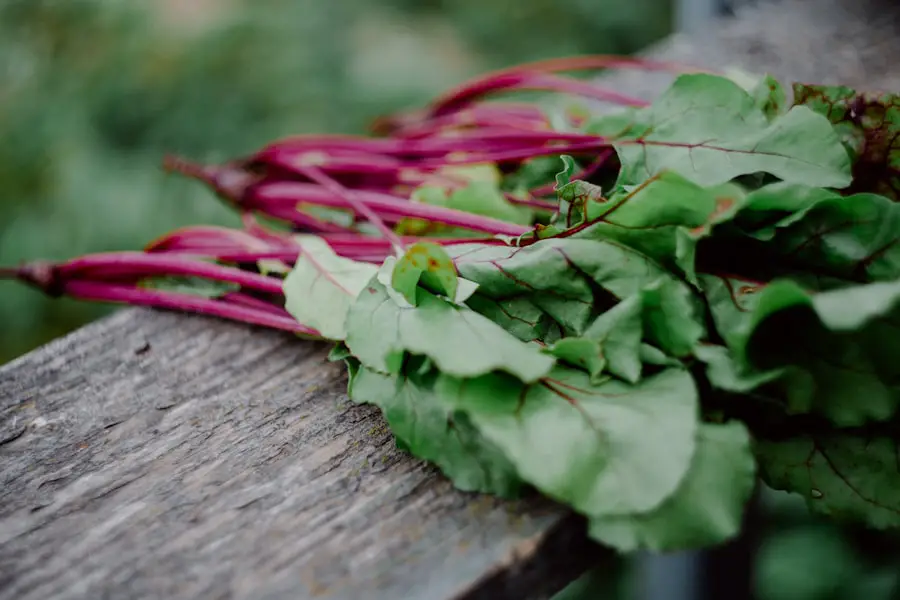
Spinach is another powerhouse, packed with iron and folate, making it an ideal choice for those looking to boost their nutrient intake. In addition to greens, incorporating a variety of colorful vegetables can significantly enhance the salad’s health benefits. Bell peppers, carrots, and beets not only add visual appeal but also provide essential vitamins and minerals.
For example, bell peppers are rich in vitamin C and beta-carotene, while carrots are an excellent source of beta-carotene and fiber. Furthermore, adding cruciferous vegetables like broccoli or Brussels sprouts can increase the salad’s fiber content and provide compounds that support detoxification processes in the body. Fruits also play a crucial role in elevating the flavor and nutritional value of vegan salads.
Berries such as strawberries and blueberries are not only delicious but are also loaded with antioxidants that combat oxidative stress. Citrus fruits like oranges or grapefruits can add a refreshing zing while providing vitamin C and hydration. Avocado is another fantastic addition; its creamy texture enhances mouthfeel while delivering healthy fats that promote satiety and support heart health.
Creative Vegan Salad Combinations
The realm of vegan salads is limited only by one’s imagination. Creative combinations can transform ordinary ingredients into extraordinary dishes that tantalize the taste buds. One popular approach is to combine contrasting textures and flavors.
For instance, a salad featuring roasted sweet potatoes, black beans, and quinoa can create a delightful interplay between the sweetness of the potatoes and the earthiness of the beans. Topped with a zesty lime dressing, this combination not only satisfies hunger but also provides a well-rounded meal. Another innovative idea is to incorporate grains into salads for added substance.
The nutty flavor of farro pairs beautifully with the briny olives and the freshness of the herbs, creating a dish that is both refreshing and filling. Drizzling it with a balsamic vinaigrette can elevate the flavors even further.
For those who enjoy international flavors, consider crafting an Asian-inspired salad with shredded cabbage, carrots, edamame, and sesame seeds. Tossing these ingredients with a ginger-soy dressing creates a vibrant dish that is both crunchy and satisfying. The umami notes from the soy sauce combined with the nuttiness of sesame oil provide depth to the salad while ensuring it remains entirely plant-based.
Protein-Packed Vegan Salad Ideas
Protein is an essential macronutrient that plays a vital role in muscle repair, immune function, and overall health. For those following a vegan diet, it is crucial to incorporate adequate protein sources into meals, including salads. Legumes such as chickpeas, lentils, and black beans are excellent choices that not only provide protein but also add fiber to keep you feeling full longer.
A chickpea salad with diced cucumbers, tomatoes, red onion, and a tahini dressing can be both refreshing and protein-rich. To further enhance protein content, consider adding nuts and seeds to your salads. Almonds, walnuts, pumpkin seeds, and sunflower seeds are all great options that contribute healthy fats along with protein.
A spinach salad topped with sliced strawberries, walnuts, and a sprinkle of hemp seeds offers a delightful mix of flavors while delivering a significant protein boost. Hemp seeds are particularly noteworthy as they contain all nine essential amino acids, making them a complete protein source. To create a heartier salad that serves as a main dish, quinoa is an excellent grain choice due to its high protein content compared to other grains.
A quinoa salad mixed with roasted vegetables like zucchini and bell peppers can be both filling and nutritious. Adding a handful of fresh herbs such as cilantro or basil can elevate the dish’s flavor profile while providing additional nutrients.
Vegan Salad Dressing Recipes
A salad is only as good as its dressing; thus, crafting delicious vegan dressings is essential for enhancing flavors without compromising dietary preferences. One simple yet flavorful dressing can be made by blending tahini with lemon juice, garlic, water, and a pinch of salt. This creamy dressing pairs beautifully with leafy greens and roasted vegetables alike.
Another popular option is a classic balsamic vinaigrette made from balsamic vinegar, olive oil, Dijon mustard, maple syrup for sweetness, and freshly cracked black pepper. This dressing complements a wide range of salads—from simple green salads to more complex grain-based dishes—adding depth without overpowering the other ingredients. For those who enjoy spicy flavors, consider creating a sriracha-lime dressing by mixing sriracha sauce with lime juice, agave syrup for sweetness, and coconut milk for creaminess.
This dressing works wonderfully on Asian-inspired salads or any dish that could use an extra kick.
Tips for Making Vegan Salads More Filling

While salads are often perceived as light meals or side dishes, there are several strategies to make them more filling without compromising their health benefits. One effective method is to incorporate whole grains into your salads. Grains such as brown rice or farro not only add texture but also provide complex carbohydrates that help sustain energy levels throughout the day.
Another way to enhance satiety is by including healthy fats in your salads. Ingredients like avocado or nuts contribute richness while promoting feelings of fullness. For example, adding sliced avocado to a mixed green salad not only enhances flavor but also provides monounsaturated fats that are beneficial for heart health.
Incorporating legumes is another excellent strategy for creating more substantial salads. Beans or lentils add protein and fiber while contributing bulk to the dish. A hearty bean salad featuring kidney beans mixed with corn, diced bell peppers, and cilantro can serve as a satisfying meal on its own.
Benefits of Eating Nutrient-Packed Vegan Salads
The consumption of nutrient-dense vegan salads offers numerous health benefits that extend beyond mere weight management or dietary preferences. One significant advantage is their ability to provide essential vitamins and minerals in concentrated forms without excessive calories. This makes them an ideal choice for individuals looking to maintain or improve their overall health.
Moreover, the high fiber content found in many salad ingredients promotes digestive health by supporting regular bowel movements and preventing constipation. Fiber-rich diets have also been linked to lower risks of chronic diseases such as heart disease and type 2 diabetes due to their ability to regulate blood sugar levels and improve cholesterol profiles. Additionally, incorporating a variety of colorful fruits and vegetables into salads ensures an abundance of antioxidants that combat oxidative stress in the body.
Antioxidants play a crucial role in reducing inflammation and protecting against cellular damage caused by free radicals. This protective effect contributes to overall longevity and well-being.
Conclusion and Final Thoughts on Vegan Salad Ideas
Vegan salads represent an exciting culinary landscape filled with endless possibilities for creativity and nutrition. By thoughtfully selecting nutrient-dense ingredients such as leafy greens, colorful vegetables, fruits, legumes, grains, nuts, and seeds, one can craft meals that are not only visually appealing but also packed with essential nutrients. The versatility of vegan salads allows them to cater to various tastes and dietary needs while promoting healthful eating habits.
As we explore innovative combinations and delicious dressings that enhance flavor profiles without compromising dietary principles, it becomes clear that vegan salads can be both satisfying and nourishing. By incorporating strategies to make these salads more filling—such as adding whole grains or healthy fats—individuals can enjoy hearty meals that support their health goals. Ultimately, embracing vegan salads opens up a world of culinary exploration while providing numerous health benefits that contribute to overall well-being.
Whether enjoyed as a light lunch or a hearty dinner option, these nutrient-packed dishes are sure to delight both the palate and the body alike.
If you’re looking to expand your culinary horizons beyond vegan salads, you might want to check out this recipe for Whole Baked Fish in Sea Salt with Parsley Gremolata.
Alternatively, if you’re in the mood for some Asian-inspired cuisine, you can try making Pot Stickers with Chicken and Chilli Sauce. And for a comforting and hearty meal, consider whipping up a batch of Blushing New England Fish Chowder. These recipes are perfect for adding variety to your meal rotation while still keeping things delicious and nutritious.
FAQs
What are some nutrient-packed ingredients for vegan salads?
Some nutrient-packed ingredients for vegan salads include leafy greens like kale and spinach, protein sources like chickpeas and quinoa, healthy fats from avocado and nuts, and a variety of colorful vegetables like bell peppers, carrots, and tomatoes.
How can I add protein to a vegan salad?
You can add protein to a vegan salad by including ingredients such as beans, lentils, tofu, tempeh, quinoa, nuts, and seeds. These plant-based sources of protein will help make your salad more filling and nutritious.
What are some vegan salad dressing ideas?
Some vegan salad dressing ideas include a simple balsamic vinaigrette, tahini dressing, lemon-tahini dressing, avocado-lime dressing, and a creamy cashew dressing. These dressings can add flavor and creaminess to your vegan salads without the need for dairy or animal products.
How can I make a vegan salad more filling?
To make a vegan salad more filling, you can add ingredients like quinoa, chickpeas, tofu, or tempeh for protein, and include healthy fats from avocado, nuts, or seeds. Adding these nutrient-dense ingredients will help make your salad more satisfying and filling.
What are some creative vegan salad ideas?
Some creative vegan salad ideas include a Mediterranean-inspired salad with olives and hummus, a Thai-inspired salad with peanut dressing and crispy tofu, a Mexican-inspired salad with black beans and salsa, and a rainbow salad with a variety of colorful vegetables and fruits. These creative combinations can add variety and excitement to your vegan salad options.