

The history of marshmallows is a fascinating journey that traces back to ancient civilizations. The origins of this delightful confection can be linked to the mallow plant, specifically the root of Althaea officinalis, which was used by the Egyptians as early as 2000 BThey extracted sap from the mallow root and combined it with honey and nuts to create a sweet treat that was not only delicious but also believed to have medicinal properties. This early version of marshmallows was far from the fluffy confections we know today; it was more akin to a chewy candy that served both culinary and therapeutic purposes.
As time progressed, the marshmallow evolved significantly. In the 19th century, French confectioners began to innovate by whipping the sap from the mallow root with egg whites and sugar, creating a more airy and palatable version of the treat. This method laid the groundwork for the modern marshmallow.
By the late 1800s, advancements in food technology allowed for the mass production of marshmallows, leading to their widespread popularity in the United States. The introduction of gelatin as a stabilizing agent further transformed marshmallows, making them easier to produce and more consistent in texture. This shift marked the transition from a labor-intensive artisanal product to a commercially viable confection that could be enjoyed by all.
Key Takeaways
- Marshmallows have a long history, originally used as a medicinal treat in ancient times before evolving into the modern confection we know today.
- The science behind marshmallows explains how they are made and why they have their fluffy texture, involving a combination of ingredients and a unique production process.
- There are many varieties of marshmallows available, from classic vanilla to gourmet flavors, offering a wide range of options for marshmallow enthusiasts.
- Marshmallows have played a significant role in popular culture, appearing in movies, TV shows, and literature, often symbolizing comfort and nostalgia.
- There are creative ways to enjoy marshmallows beyond just roasting them, including recipes and ideas for delicious treats that showcase their versatility and sweetness.
The Science Behind Marshmallows: How They’re Made and Why They’re So Fluffy
At its core, the marshmallow is a marvel of food science, combining sugar, water, and gelatin to create a unique texture that is both soft and chewy. The process begins with dissolving sugar in water and heating it until it reaches a specific temperature, typically around 240°F (115°C). This stage is crucial as it allows the sugar to reach the “soft ball” stage, which is essential for achieving the right consistency in the final product.
Once the sugar syrup is ready, it is whipped into a frothy mixture with gelatin and air, which is where the magic happens. The incorporation of air during the whipping process is what gives marshmallows their characteristic fluffiness. As the mixture is whipped, tiny air bubbles are trapped within the gelatin structure, creating a light and airy texture.
The gelatin acts as a stabilizer, helping to maintain this structure once the marshmallow cools and sets. The result is a confection that is not only delightful to eat but also has a unique mouthfeel that melts in your mouth. The science behind marshmallows exemplifies how simple ingredients can be transformed into something extraordinary through careful manipulation of temperature and texture.
The Many Varieties of Marshmallows: From Classic Vanilla to Gourmet Flavors
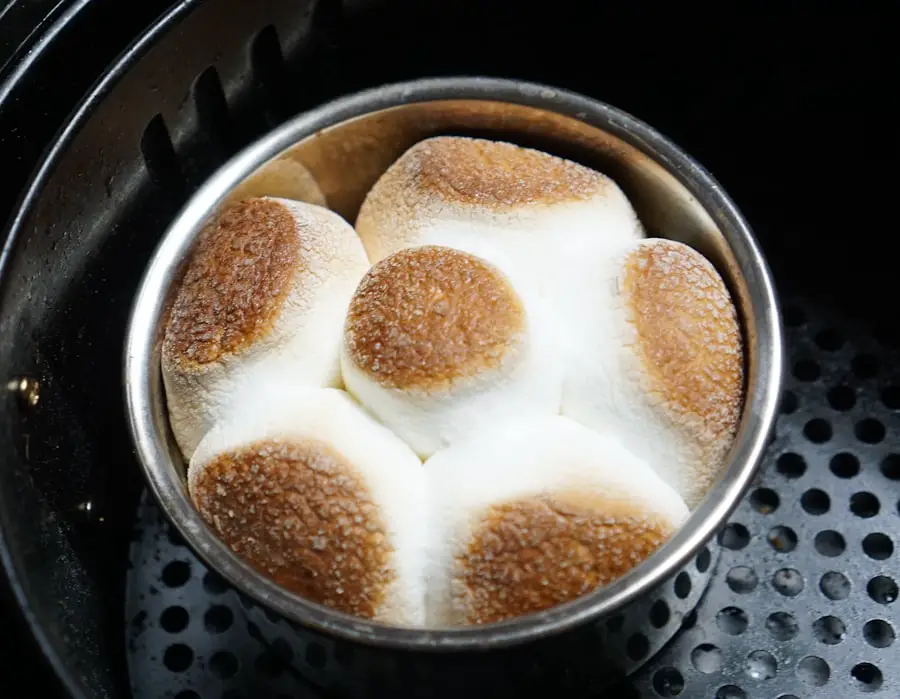
While classic vanilla marshmallows remain a beloved staple, the world of marshmallow flavors has expanded dramatically over the years. Gourmet marshmallows now come in an array of enticing flavors that cater to diverse palates. From rich chocolate and zesty lemon to exotic lavender and spicy chai, there seems to be no limit to the creativity of modern confectioners.
These artisanal marshmallows often incorporate high-quality ingredients, such as organic sugars and natural flavorings, elevating them beyond their traditional counterparts. In addition to flavor variations, marshmallows are also available in different textures and forms. Some brands offer gourmet marshmallows that are infused with alcohol, such as bourbon or rum, creating an adult twist on this childhood favorite.
Others experiment with textures by adding crunchy elements like crushed cookies or nuts, resulting in a delightful contrast between soft and crispy. Seasonal flavors also make an appearance, with pumpkin spice marshmallows gracing shelves during autumn and peppermint varieties becoming popular around the holidays. This diversity not only showcases the versatility of marshmallows but also reflects changing consumer preferences for unique and artisanal treats.
Marshmallows in Popular Culture: Their Role in Movies, TV Shows, and Literature
| Marshmallow | Popular Culture Reference |
|---|---|
| Stay Puft Marshmallow Man | Ghostbusters (1984) |
| Marshmallow Test | Psychology Experiments |
| Marshmallow Roasting | Camping Scenes in Movies |
| Marshmallow Peeps | Easter Traditions |
| Marshmallow Snowmen | Winter Holiday Decorations |
Marshmallows have carved out a significant niche in popular culture, often symbolizing nostalgia and comfort. One of the most iconic representations of marshmallows can be found in the classic campfire scene where s’mores are made—an enduring tradition that evokes memories of childhood camping trips and gatherings around a fire.
Television shows have also embraced marshmallows as a cultural touchstone. In “Friends,” for instance, there’s a memorable scene where Ross attempts to impress Rachel by making her a dessert featuring marshmallows. This lighthearted portrayal highlights how marshmallows can be associated with love and friendship.
Additionally, literature often uses marshmallows as symbols of innocence or childhood wonder; they appear in various children’s books as treats that spark joy and imagination. The presence of marshmallows in these narratives underscores their role as more than just a sweet treat—they represent cherished memories and connections that transcend time.
Creative Ways to Enjoy Marshmallows: Recipes and Ideas for Delicious Treats
Marshmallows are incredibly versatile ingredients that can be incorporated into a wide range of recipes beyond just roasting over an open flame. One popular way to enjoy them is by making homemade s’mores bars, which combine layers of graham cracker crumbs, melted chocolate, and gooey marshmallows baked together for a deliciously chewy treat. These bars can be customized with various chocolates or even flavored marshmallows for an added twist.
Another creative use for marshmallows is in desserts like rice crispy treats. By melting butter and marshmallows together before mixing them with crispy rice cereal, you create a sweet and crunchy snack that is both easy to make and delightful to eat. For those looking for something more sophisticated, gourmet hot chocolate topped with homemade toasted coconut or peppermint marshmallows can elevate a simple drink into an indulgent experience.
The possibilities are endless; from incorporating them into cakes or brownies to using them as toppings for ice cream sundaes, marshmallows can add a whimsical touch to any dessert.
The Health Benefits of Marshmallows: Are They Really as Bad for You as They Seem?
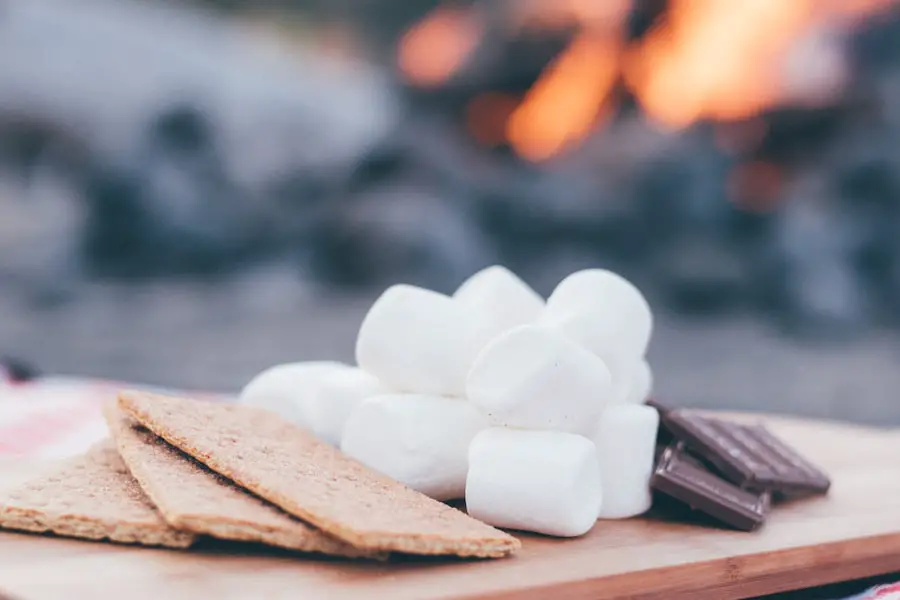
While marshmallows are often viewed as sugary indulgences devoid of nutritional value, they do possess some surprising health benefits when consumed in moderation. For instance, traditional marshmallows contain gelatin, which is derived from collagen—a protein that can support joint health and improve skin elasticity. Gelatin has been linked to various health benefits, including aiding digestion and promoting gut health due to its ability to form a protective layer in the digestive tract.
Moreover, marshmallows are fat-free and low in calories compared to many other confections when consumed in moderation. A standard marshmallow contains about 23 calories and no fat, making it a relatively guilt-free treat when compared to chocolate bars or pastries loaded with sugar and fat. However, it’s essential to be mindful of portion sizes since excessive consumption can lead to spikes in blood sugar levels due to their high sugar content.
When enjoyed occasionally as part of a balanced diet, marshmallows can be a fun treat without significant health drawbacks.
Marshmallows as a Versatile Ingredient: Their Use in Baking, Cooking, and Mixology
Marshmallows are not just limited to being standalone treats; they serve as versatile ingredients across various culinary applications. In baking, they can be incorporated into cookies or brownies for added moisture and sweetness. For example, adding mini marshmallows to chocolate chip cookie dough creates delightful pockets of gooeyness that enhance the overall flavor profile of the cookie.
In cooking, marshmallows can be used creatively in savory dishes as well. Some chefs have experimented with incorporating them into sauces or glazes for meats, where their sweetness balances out savory flavors beautifully. Additionally, mixologists have begun using flavored marshmallows as garnishes for cocktails or even infusing them into syrups for unique drink creations.
The combination of sweet and savory elements showcases how marshmallows can transcend their traditional roles and become integral components in diverse culinary experiences.
The Future of Marshmallows: Trends and Innovations in the Confectionery Industry
As consumer preferences continue to evolve towards healthier options and unique flavor experiences, the future of marshmallows looks promising with exciting trends on the horizon. One notable trend is the rise of plant-based or vegan marshmallows made without gelatin, catering to those who follow vegetarian or vegan diets. These alternatives often use agar-agar or carrageenan derived from seaweed as stabilizers while maintaining similar textures and flavors.
Additionally, there is an increasing focus on artisanal production methods that emphasize high-quality ingredients and innovative flavor combinations. Small-batch producers are experimenting with exotic flavors like matcha green tea or spicy chili-infused marshmallows that appeal to adventurous eaters seeking new taste experiences. Furthermore, sustainability is becoming an essential consideration within the confectionery industry; brands are exploring eco-friendly packaging options and sourcing ingredients responsibly.
The future may also see advancements in technology that allow for new methods of production or flavor enhancement through molecular gastronomy techniques. As consumers continue to seek out unique culinary experiences, marshmallows will likely adapt and evolve alongside these trends while retaining their nostalgic charm as beloved treats enjoyed by all ages.
If you’re looking for a unique and delicious dessert to pair with your meal, consider trying out a recipe for homemade marshmallows. These fluffy treats are perfect for roasting over a campfire or adding to hot chocolate.
The combination of flavors in this dish is sure to impress your taste buds. Check out the recipe here!
FAQs
What are marshmallows?
Marshmallows are a type of confectionery made from sugar, water, and gelatin, whipped to a spongy consistency. They are often flavored with vanilla and shaped into small cylindrical pieces.
How are marshmallows made?
Marshmallows are made by whipping together sugar, water, and gelatin to create a fluffy mixture. This mixture is then poured into molds and allowed to set before being cut into individual pieces.
What are the different uses for marshmallows?
Marshmallows are commonly used in making s’mores, hot chocolate, and as a topping for sweet potato casserole. They can also be used in baking and as a decorative element for cakes and cupcakes.
Are marshmallows vegetarian or vegan?
Traditional marshmallows are not vegetarian or vegan as they contain gelatin, which is derived from animal collagen. However, there are vegetarian and vegan versions of marshmallows available that use alternative ingredients such as agar-agar or carrageenan.
How should marshmallows be stored?
Marshmallows should be stored in a cool, dry place in an airtight container to prevent them from becoming stale or hard. They can also be frozen for longer-term storage.
Are marshmallows gluten-free?
Most marshmallows are gluten-free, but it’s always best to check the ingredients list to be sure. Some flavored or specialty marshmallows may contain gluten-containing ingredients.