

Arrack, a traditional distilled spirit, has deep roots in the cultural and historical tapestry of South India. Its origins can be traced back to ancient times, with references found in texts that date as far back as the 8th century. The word “arrack” itself is believed to have derived from the Arabic term “araq,” which means “to distill.” This etymology hints at the influence of trade routes and cultural exchanges that shaped the beverage’s evolution.
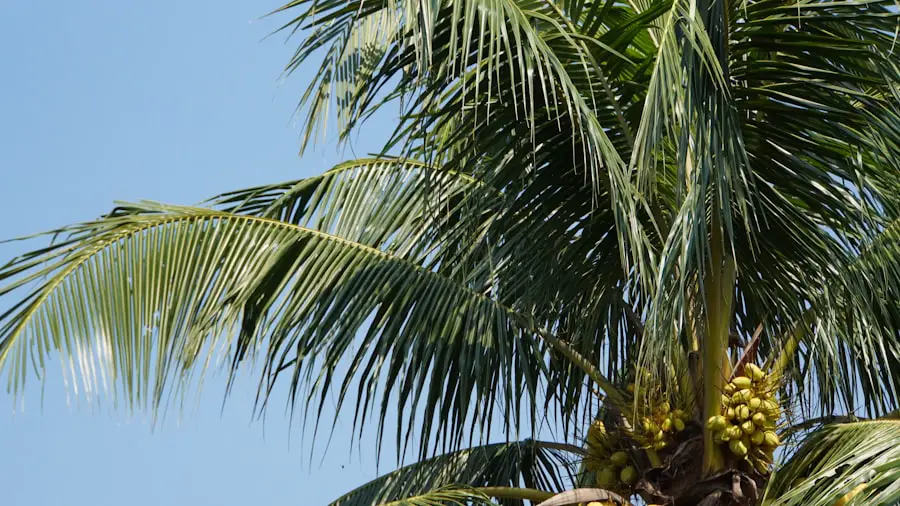
The early production of arrack was primarily centered around the use of fermented sap from palm trees, particularly the coconut and palmyra varieties, which are abundant in the region. This method of fermentation and distillation was not only a means of creating a potent alcoholic beverage but also a way to preserve the sap, which would otherwise spoil quickly. As trade flourished in South India, particularly during the colonial period, arrack began to gain prominence beyond local consumption.
European traders and colonizers encountered this indigenous spirit and recognized its potential. The British, in particular, played a significant role in commercializing arrack, leading to its production on a larger scale. By the 19th century, arrack was being exported to various parts of the world, including Europe and Southeast Asia.
The colonial influence also introduced new distillation techniques and ingredients, which further diversified the flavor profiles of arrack. This period marked a significant transformation in the beverage’s status, transitioning from a local staple to an internationally recognized spirit.
Key Takeaways
- Arrack has a long history in South India, dating back to ancient times and has been an integral part of the region’s culture and traditions.
- The distillation process of arrack involves fermenting a base material such as coconut flower sap or palm sap, followed by distillation in traditional pot stills.
- Arrack has a unique flavor profile characterized by its smooth, slightly sweet taste with hints of fruit and spice, making it a popular choice for cocktails and mixed drinks.
- Arrack holds significant cultural significance in South India, often being used in religious ceremonies, social gatherings, and traditional rituals.
- The growing popularity of arrack in the global market has led to increased demand for this traditional South Indian spirit, leading to its production and export to various countries.
- The future of arrack production in South India looks promising, with a focus on maintaining traditional methods while also adapting to modern production techniques to meet the growing demand in the global market.
The Distillation Process of Arrack
The Collection and Fermentation of Palm Sap
The production of arrack begins with the collection of sap from palm trees, typically early in the morning when it is at its freshest. This natural sap is then fermented to create a base for distillation, a process that can take anywhere from a few hours to several days, depending on environmental conditions and desired flavor characteristics. During fermentation, wild yeasts and bacteria present in the environment play a crucial role in converting sugars into alcohol, resulting in a low-alcohol liquid known as “toddy.”
Traditional Distillation Methods
Once fermentation is complete, the next step involves distillation. Traditionally, this is done using pot stills made from copper or clay, which are heated over an open flame. The fermented toddy is poured into the still, where it is heated until the alcohol evaporates. As the vapor rises, it passes through a condenser where it cools and reverts to liquid form. This process not only concentrates the alcohol but also captures the unique flavors and aromas inherent in the base material.
Refining the Flavor and Aging the Spirit
The first distillation yields a spirit with a higher alcohol content, while subsequent distillations can refine the flavor further. Some producers may choose to age arrack in wooden barrels, which can impart additional complexity and depth to the final product. This careful attention to detail and commitment to traditional methods result in a spirit that is both rich in flavor and steeped in history.
The Unique Flavor Profile of Arrack

Arrack is celebrated for its distinctive flavor profile, which varies significantly depending on its base ingredients and production methods. The primary flavor notes often include hints of tropical fruits, spices, and a subtle sweetness derived from the natural sugars present in palm sap. When made from coconut sap, arrack tends to exhibit a smoother, creamier texture with flavors reminiscent of coconut and vanilla.
In contrast, arrack produced from rice or sugarcane may present a more robust character with earthy undertones and a slightly sharper finish.
The wild yeasts involved can introduce a range of esters and phenols that contribute to its aromatic profile.
For instance, some varieties may have floral notes or hints of citrus, while others might evoke spices like cardamom or cloves. This diversity makes arrack an intriguing spirit for mixologists and enthusiasts alike, as it can be enjoyed neat or as part of creative cocktails. The versatility of arrack allows it to pair well with various mixers, including fruit juices and tonic water, making it an appealing choice for both traditional and contemporary drinkers.
The Cultural Significance of Arrack in South India
In South India, arrack is more than just an alcoholic beverage; it holds significant cultural importance that transcends mere consumption. It is often associated with social gatherings, festivals, and rituals that bring communities together. For many locals, sharing arrack during celebrations symbolizes hospitality and camaraderie.
Traditional ceremonies often feature arrack as a central element, whether it be during weddings or harvest festivals, where it is offered as a gesture of goodwill. Moreover, arrack has been woven into the fabric of local folklore and traditions. Stories about its origins and production methods are passed down through generations, creating a sense of pride among communities that produce it.
In some regions, specific rituals accompany the distillation process itself, reflecting respect for the ingredients and the craft involved. These practices not only preserve cultural heritage but also foster a sense of identity among those who partake in them. As globalization continues to influence local customs, there is a growing movement to celebrate and promote traditional arrack production methods as a means of preserving cultural heritage.
The Growing Popularity of Arrack in the Global Market
In recent years, arrack has experienced a resurgence in popularity beyond its traditional markets in South India. As global interest in craft spirits continues to rise, arrack has found its place among connoisseurs and cocktail enthusiasts worldwide. This renewed interest can be attributed to several factors, including the growing trend towards artisanal and locally sourced products.
Consumers are increasingly seeking unique flavors and experiences that reflect regional traditions, making arrack an appealing choice. The craft cocktail movement has also played a pivotal role in elevating arrack’s status on the global stage. Mixologists are experimenting with this versatile spirit to create innovative cocktails that highlight its distinct flavor profile.
Bars and restaurants are beginning to feature arrack-based drinks on their menus, introducing new audiences to its rich heritage and taste. Additionally, social media platforms have facilitated the sharing of cocktail recipes and experiences, further amplifying arrack’s visibility among global consumers.
The Future of Arrack Production in South India
Looking ahead, the future of arrack production in South India appears promising yet challenging. As demand for this traditional spirit grows both locally and internationally, producers face the task of balancing modernization with preservation. Many distilleries are exploring sustainable practices that honor traditional methods while incorporating modern technology to enhance efficiency and quality control.
This approach not only ensures that the unique characteristics of arrack are maintained but also appeals to environmentally conscious consumers. Furthermore, there is an increasing emphasis on branding and marketing among arrack producers. As competition intensifies in the global spirits market, distilleries are recognizing the importance of storytelling and heritage in promoting their products.
By highlighting their unique production methods and cultural significance, producers can differentiate themselves from mass-produced alternatives. Collaborations with local farmers for sourcing ingredients can also enhance authenticity while supporting local economies. In conclusion, while challenges such as regulatory hurdles and market competition exist, there is significant potential for growth within the arrack industry in South India.
By embracing innovation while respecting tradition, producers can ensure that this beloved spirit continues to thrive for generations to come.
For those looking to spruce up their living space, check out these 21 dorm room ideas that we’re totally stealing for ourselves. Source
FAQs
What is arrack?
Arrack is a traditional alcoholic beverage that is commonly found in South India and Southeast Asia. It is typically made from the sap of coconut flowers or the sap of other palm trees.
How is arrack made?
Arrack is made by fermenting the sap of coconut flowers or palm trees, and then distilling the fermented liquid to produce a potent spirit. The process of making arrack is similar to that of making rum.
What does arrack taste like?
Arrack has a unique flavor profile that is often described as being slightly sweet with a hint of coconut. It is known for its smooth and mellow taste, making it a popular choice among locals and tourists alike.
Is arrack legal?
The production and sale of arrack is legal in some countries, but it is important to note that the quality and safety of arrack can vary widely. In some places, there are regulations in place to ensure the quality and safety of arrack production.
How is arrack consumed?
Arrack can be consumed on its own, mixed with water, or used as a base for cocktails. It is often enjoyed during social gatherings and celebrations, and is considered to be a staple beverage in South Indian culture.