

Paan liqueur, a unique and aromatic spirit, has its roots deeply embedded in the cultural tapestry of South Asia. The origins of paan itself can be traced back thousands of years, with references found in ancient texts and scriptures. Traditionally, paan is a preparation made from betel leaves, often combined with areca nut, slaked lime, and various spices.
It has been consumed for its stimulating effects and as a digestive aid. The transition from a simple chewable preparation to a liqueur is a fascinating journey that reflects the evolving tastes and preferences of society. The transformation of paan into a liqueur began in the late 20th century when innovative distillers sought to capture the essence of this beloved traditional preparation in a bottled form.
This endeavor was not merely about creating a new beverage; it was an attempt to preserve and celebrate the cultural significance of paan while introducing it to a broader audience. The first commercial versions of paan liqueur emerged in India, where the drink quickly gained popularity among both locals and tourists. Its vibrant color and distinctive flavor profile made it an instant hit, leading to the development of various brands and recipes that further diversified the market.
Key Takeaways
- Paan liqueur has a rich history dating back to ancient India, where it was used for its medicinal and cultural significance.
- The making of paan liqueur involves infusing betel leaves, areca nuts, and various spices in alcohol to create a unique and flavorful beverage.
- Betel leaf, the main ingredient in paan liqueur, is known for its potential health benefits including aiding digestion and freshening breath.
- Paan liqueur can be used to create a variety of cocktails and recipes, adding a distinct and exotic flavor to traditional drinks.
- As a cultural tradition, paan liqueur holds a special place in Indian and Southeast Asian societies, often being served at special occasions and celebrations. The future of paan liqueur looks promising as it gains popularity in the global market, offering a unique and exotic drinking experience.
The Making of Paan Liqueur
The process of making paan liqueur is as intricate as the flavors it embodies. At its core, the liqueur is crafted by infusing high-quality alcohol with the essential ingredients that define traditional paan. The primary component, betel leaf, is harvested at its peak freshness to ensure maximum flavor and aroma.
Once collected, the leaves are carefully washed and dried before being chopped or torn into smaller pieces to facilitate the infusion process. The infusion typically involves steeping the betel leaves in a neutral spirit, such as vodka or grain alcohol, for an extended period. This allows the alcohol to extract the essential oils and flavors from the leaves.
Alongside betel leaves, other ingredients such as cardamom, fennel seeds, and sometimes even rose petals are added to enhance the complexity of the flavor profile. After several weeks of infusion, the mixture is strained to remove solid particles, resulting in a vibrant green or amber liquid that captures the essence of paan. Sweeteners like sugar or honey are often incorporated at this stage to balance the bitterness of the betel leaf, creating a harmonious blend that appeals to a wide range of palates.
The Health Benefits of Betel Leaf
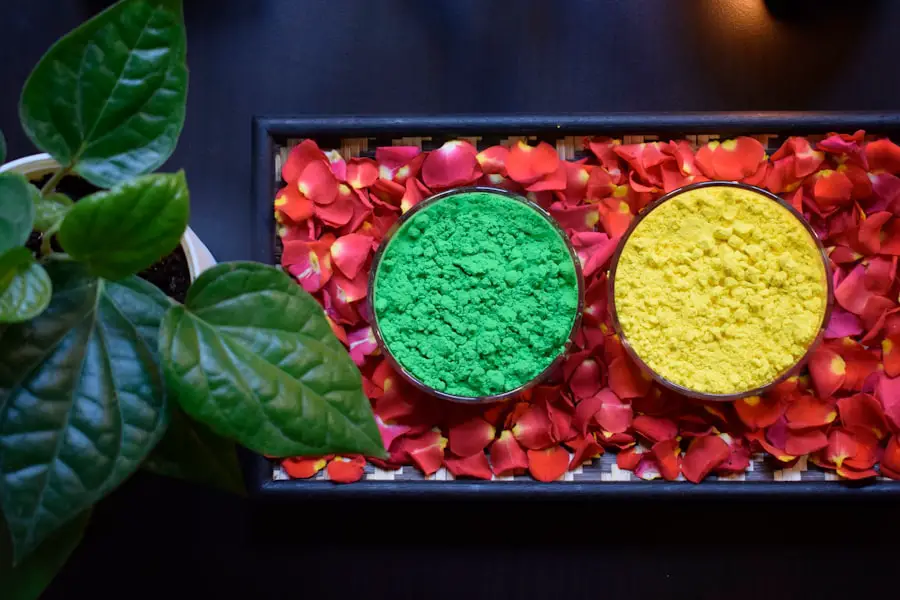
Betel leaf, the star ingredient in paan liqueur, is not only celebrated for its unique flavor but also for its numerous health benefits. Traditionally used in Ayurvedic medicine, betel leaves are known for their therapeutic properties. They are rich in antioxidants, which help combat oxidative stress in the body.
This can lead to improved overall health and may reduce the risk of chronic diseases. Moreover, betel leaves have been recognized for their digestive benefits. They are often consumed after meals to aid digestion and freshen breath.
The presence of essential oils in betel leaves stimulates salivation and enhances digestive enzyme activity, making it easier for the body to break down food. Additionally, betel leaves possess antimicrobial properties that can help maintain oral hygiene by combating harmful bacteria in the mouth. This makes them a popular choice not only in culinary applications but also in traditional medicine practices across various cultures.
Paan Liqueur Cocktails and Recipes
Paan liqueur’s unique flavor profile lends itself beautifully to a variety of cocktails that can tantalize the taste buds and offer an exotic twist on classic drinks. One popular cocktail is the Paan Mojito, which combines paan liqueur with fresh mint leaves, lime juice, and soda water. The refreshing mint complements the aromatic notes of the liqueur, creating a vibrant drink perfect for warm evenings or festive gatherings.
To prepare this cocktail, muddle fresh mint leaves with lime juice and sugar in a glass, add ice, pour in paan liqueur, and top with soda water for a fizzy finish. Another intriguing cocktail is the Paan Martini, which elevates the traditional martini by incorporating paan liqueur alongside gin or vodka. This drink showcases the herbal notes of betel leaf while maintaining the classic elegance of a martini.
To craft this cocktail, shake together equal parts paan liqueur and your choice of spirit with ice, then strain into a chilled martini glass.
For those looking to experiment further, a Paan Sour can be an exciting addition to any cocktail repertoire.
This drink combines paan liqueur with fresh lemon juice and simple syrup, shaken vigorously with ice before being strained into a rocks glass filled with ice. The tartness of lemon balances beautifully with the sweetness of the liqueur, resulting in a refreshing yet complex cocktail that is sure to impress.
Paan Liqueur: A Cultural Tradition
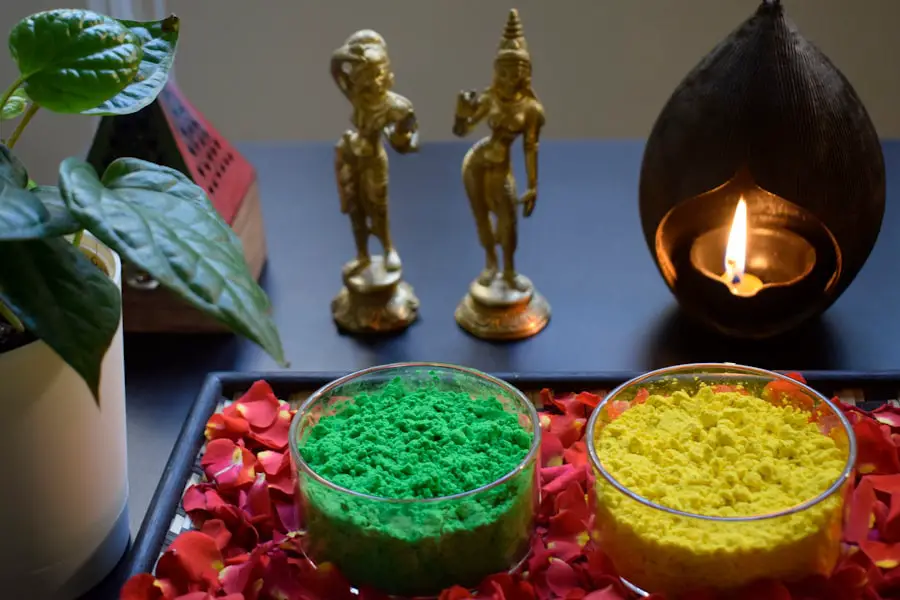
Paan has long been more than just a culinary delight; it is steeped in cultural significance across South Asia. Traditionally served at weddings, festivals, and other celebratory occasions, paan symbolizes hospitality and respect for guests. The act of offering paan is often seen as an expression of goodwill and friendship.
As such, its transformation into liqueur has allowed this cultural tradition to evolve while still honoring its roots. In many communities, paan is not merely consumed but is also an integral part of social interactions. The preparation and sharing of paan can be a communal activity that fosters connections among family and friends.
With the introduction of paan liqueur into bars and restaurants, this tradition has found new life in modern settings. Bartenders often craft unique cocktails that pay homage to traditional flavors while appealing to contemporary tastes. This fusion of old and new not only preserves cultural heritage but also introduces younger generations to the rich history associated with paan.
The Future of Paan Liqueur
As global interest in unique flavors and artisanal spirits continues to grow, the future of paan liqueur appears promising. With its distinctive taste profile and cultural significance, it stands poised to carve out a niche within the expanding market for craft spirits. Distillers are increasingly experimenting with variations on traditional recipes, incorporating local ingredients or innovative techniques that enhance the flavor while staying true to its origins.
Moreover, as consumers become more adventurous in their drinking habits, there is potential for paan liqueur to gain traction beyond South Asia. Its exotic appeal can attract those seeking new experiences in their culinary explorations. Collaborations between distillers and mixologists could lead to exciting new cocktails that further elevate paan liqueur’s status on global cocktail menus.
In addition to its potential for growth in bars and restaurants, there is also an opportunity for home enthusiasts to embrace paan liqueur in their own kitchens. As more people seek out unique ingredients for their homemade cocktails, recipes featuring paan liqueur could become staples at social gatherings and celebrations. This grassroots movement could help solidify its place within contemporary drinking culture while honoring its rich heritage.
The journey of paan liqueur from traditional preparation to modern spirit encapsulates a broader narrative about cultural evolution and innovation in gastronomy. As it continues to gain recognition both locally and internationally, paan liqueur stands as a testament to the enduring legacy of one of South Asia’s most cherished traditions.
If you enjoyed reading about Paan Liqueur Perfection: Betel Leaf in a Bottle, you may also be interested in learning about the health benefits of kombucha. Check out this article to discover which claims about kombucha are true and how this fermented tea can improve your overall well-being.
FAQs
What is paan liqueur?
Paan liqueur is a type of alcoholic beverage that is infused with the flavors of betel leaf, areca nut, and other traditional paan ingredients.
How is paan liqueur made?
Paan liqueur is typically made by infusing alcohol with betel leaf, areca nut, and other traditional paan ingredients. The mixture is then left to steep for a period of time to allow the flavors to meld together.
What does paan liqueur taste like?
Paan liqueur has a unique and complex flavor profile, with notes of betel leaf, areca nut, and other traditional paan ingredients. It is often described as aromatic, slightly bitter, and refreshing.
How is paan liqueur consumed?
Paan liqueur can be consumed on its own as a digestif, or it can be used as an ingredient in cocktails and other mixed drinks. It is often served chilled or over ice.
Is paan liqueur safe to consume?
When consumed in moderation, paan liqueur is generally considered safe for most adults. However, it is important to drink responsibly and be aware of any potential interactions with medications or health conditions.