

Baklava’s origins are steeped in a rich tapestry of history that spans several civilizations and cultures. While the exact birthplace of baklava remains a topic of debate, many historians trace its roots back to the ancient Assyrians, who are believed to have layered dough with nuts and honey as early as the 8th century BCE.
The Greeks and Romans also played a significant role in its development, with the Greeks incorporating phyllo dough and honey into their culinary repertoire, which would later influence the Middle Eastern variations. As the centuries progressed, baklava became a staple in the Ottoman Empire, where it was refined and popularized. The Ottomans, known for their opulent feasts and culinary innovations, embraced baklava as a symbol of luxury and indulgence.
It was often served at royal banquets and special occasions, showcasing the empire’s wealth and sophistication. The use of pistachios, walnuts, and almonds became prevalent during this period, and the dessert was often drizzled with fragrant syrups infused with rosewater or orange blossom. This transformation solidified baklava’s status as a cherished dessert across various cultures, leading to its widespread popularity in modern times.
Key Takeaways
- Baklava has a rich history dating back to ancient times, with its origins in the Middle East and its evolution into a beloved dessert in modern times.
- The perfect baklava requires a combination of high-quality ingredients such as phyllo dough, nuts, and syrup, as well as precise techniques such as layering and baking to achieve the ideal texture and flavor.
- Regional variations of baklava can be found in countries like Turkey, Greece, and the Middle East, each with their own unique twist on the classic dessert.
- Making baklava requires attention to detail and specific tips and tricks, such as using clarified butter and cutting the pastry before baking, to ensure a flawless result.
- Despite its indulgent reputation, baklava offers some surprising health benefits, including being a good source of healthy fats and antioxidants.
The Ingredients and Techniques Behind the Perfect Baklava
The Art of Layering
The key to a successful baklava lies in the layering process; each sheet must be brushed with melted butter or oil to ensure that the layers separate during baking, resulting in a light and crispy finish.
Selecting the Perfect Nuts
The choice of nuts is equally important in crafting an exceptional baklava. While walnuts are commonly used, pistachios and almonds also lend their unique flavors and textures to the dessert. The nuts are typically chopped finely and mixed with sugar and spices such as cinnamon or cardamom to enhance their natural sweetness.
Assembling and Baking the Baklava
Once the layers of phyllo are assembled with the nut mixture in between, the baklava is cut into diamond or square shapes before baking. This pre-cutting allows for even cooking and makes it easier to serve once it’s finished. After baking, a syrup made from sugar, water, and lemon juice is poured over the hot baklava, allowing it to soak in and infuse each layer with sweetness.
Regional Variations of Baklava: From Turkey to Greece to the Middle East
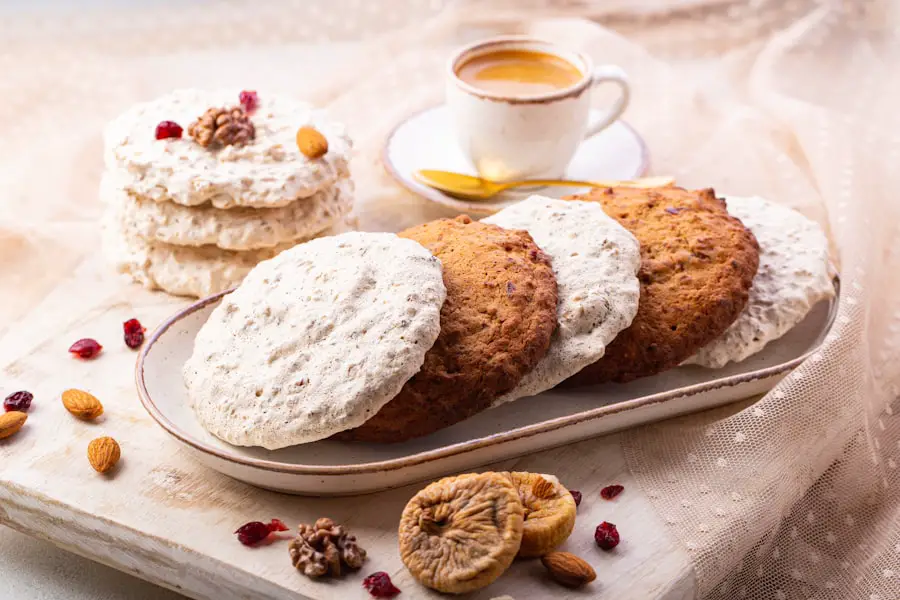
Baklava is not a monolithic dessert; rather, it boasts a plethora of regional variations that reflect the diverse culinary traditions of the countries where it is made. In Turkey, for instance, baklava is often characterized by its use of pistachios and a lighter syrup made with honey or sugar. Turkish baklava is typically cut into rectangular pieces and is known for its rich flavor profile, which is enhanced by the addition of spices like cinnamon or clove.
In Greece, baklava takes on a slightly different form, often featuring walnuts as the primary nut ingredient. Greek baklava is usually drizzled with a syrup that includes honey and sometimes incorporates citrus notes from lemon or orange zest. The presentation may also vary; Greek baklava is often garnished with whole nuts on top, adding an appealing visual element to the dish.
Additionally, some regions in Greece have their own unique twists on baklava, such as using chocolate or incorporating local ingredients like mastic resin. The Middle East also boasts its own interpretations of baklava, with countries like Lebanon and Syria offering distinct variations. In Lebanon, for example, baklava may include a combination of nuts such as pistachios and almonds, often flavored with rosewater or orange blossom water for an aromatic touch. Syrian baklava can be more decadent, sometimes featuring layers of cream or custard between the phyllo layers. Each region’s unique take on baklava not only highlights local ingredients but also reflects cultural preferences and traditions surrounding food.
The Art of Making Baklava: Tips and Tricks for a Perfect Dessert
| Ingredient | Quantity |
|---|---|
| Phyllo dough | 1 package |
| Walnuts | 2 cups |
| Sugar | 1 cup |
| Butter | 1 cup (melted) |
| Cinnamon | 1 teaspoon |
| Cloves | 1/2 teaspoon |
| Honey | 1 cup |
Mastering the art of making baklava requires practice and attention to detail, but there are several tips and tricks that can help ensure success in creating this intricate dessert. One crucial aspect is to work with fresh phyllo dough; if using frozen phyllo, it should be thawed properly in the refrigerator overnight before use. Keeping the phyllo sheets covered with a damp cloth while working prevents them from drying out and becoming brittle.
Another important tip is to ensure that each layer is adequately brushed with melted butter or oil. This not only adds flavor but also contributes to the desired flaky texture. A common mistake is to skimp on this step; each layer should be generously coated to achieve that signature crispiness.
When layering the nuts between phyllo sheets, it’s essential to distribute them evenly to avoid uneven cooking or soggy spots in the final product. Baking time and temperature are also critical factors in achieving perfect baklava. It’s best to bake at a moderate temperature to allow for even cooking without burning the top layers.
Once baked, allowing the baklava to rest before pouring on the syrup is vital; this resting period helps prevent sogginess by allowing steam to escape. Finally, pouring warm syrup over hot baklava ensures that it absorbs just the right amount of sweetness without becoming overly saturated.
Health Benefits of Baklava: Is it Really as Indulgent as it Seems?
While baklava is often perceived as an indulgent treat due to its rich ingredients and sweet syrup, it does offer some health benefits when consumed in moderation. One of the primary components of baklava is nuts, which are known for their nutritional value. Nuts such as walnuts and pistachios are rich in healthy fats, protein, fiber, vitamins, and minerals.
They contain antioxidants that can help reduce inflammation and lower cholesterol levels. Additionally, honey—often used in baklava syrup—has been recognized for its potential health benefits as well. Honey possesses antibacterial properties and can act as a natural sweetener with a lower glycemic index compared to refined sugars.
This means that it may not cause rapid spikes in blood sugar levels when consumed in moderation. Furthermore, honey contains trace amounts of vitamins and minerals that can contribute positively to overall health. However, it’s essential to keep in mind that baklava is still high in calories due to its sugar content and fat from butter and nuts.
Therefore, while it can be enjoyed as part of a balanced diet, moderation is key. A small piece can satisfy sweet cravings while providing some nutritional benefits without leading to excessive calorie intake.
Pairing Baklava with the Perfect Beverage: From Tea to Coffee to Wine
Wine Pairings
In Greece, it’s common to enjoy baklava with a glass of sweet dessert wine like Muscat or Retsina. These wines have fruity notes that harmonize beautifully with the nutty flavors of baklava while enhancing its overall richness. The sweetness of these wines can also counterbalance the dessert’s sugar content without overwhelming the palate.
Non-Alcoholic Options
For those looking for non-alcoholic options, pairing baklava with herbal teas such as chamomile or mint can provide a refreshing contrast. The soothing qualities of these teas can cleanse the palate between bites while allowing the intricate flavors of baklava to shine through.
The Perfect Pairing
Ultimately, selecting a beverage that complements rather than competes with baklava’s flavors can enhance the overall tasting experience. By choosing a beverage that balances and harmonizes with the dessert’s flavors, you can elevate the enjoyment of baklava to a whole new level.
Baklava in Popular Culture: Its Influence on Literature, Film, and Television
Baklava has transcended its culinary roots to become a symbol of cultural identity and heritage in various forms of popular culture. In literature, authors often use food as a means to evoke nostalgia or cultural pride; baklava frequently appears in stories set within Middle Eastern or Mediterranean contexts as a representation of family gatherings or festive celebrations. For instance, novels exploring themes of immigration may feature characters bonding over shared recipes for baklava, highlighting its role as a cultural touchstone.
In film and television, baklava has made memorable appearances that underscore its significance within different narratives. For example, in movies set against a backdrop of Middle Eastern culture or cuisine, scenes featuring baklava often serve to illustrate familial connections or cultural traditions surrounding food preparation. Shows like “MasterChef” have also showcased baklava as contestants attempt to recreate this intricate dessert under pressure, further cementing its status as an iconic dish worthy of culinary admiration.
Moreover, social media platforms have played a significant role in popularizing baklava among younger generations. Food bloggers and influencers share visually stunning images of their homemade creations alongside recipes that inspire others to try their hand at making this classic dessert. This digital presence has contributed to a resurgence of interest in traditional recipes while allowing for creative reinterpretations that keep baklava relevant in contemporary culinary discussions.
The Future of Baklava: Modern Twists and Innovations on a Classic Dessert
As culinary trends continue to evolve, so too does baklava adapt to modern tastes and preferences. Innovative chefs around the world are experimenting with traditional recipes by incorporating unexpected ingredients or techniques that breathe new life into this classic dessert. For instance, some contemporary versions feature alternative sweeteners like agave syrup or maple syrup instead of traditional sugar-based syrups, appealing to health-conscious consumers seeking lower glycemic options.
For example, some chefs have created chocolate-covered baklava or incorporated flavors like matcha or chai spices into their nut mixtures. These modern twists not only attract adventurous eaters but also showcase how traditional recipes can evolve while still honoring their cultural roots.
Baklava’s future may also see an increase in plant-based adaptations as more people adopt vegan diets. Chefs are exploring ways to create phyllo dough without animal products while using nut-based fillings that maintain the dessert’s signature richness without compromising flavor. As global interest in diverse cuisines continues to grow, baklava will likely remain at the forefront of culinary innovation while retaining its cherished place within cultural traditions around the world.
If you’re a fan of sweet treats like Baklava, you may also enjoy trying out a new recipe for Croque Madame. This delicious French dish features ham and cheese sandwiched between slices of bread, topped with a creamy bechamel sauce and a fried egg. For a unique twist on a classic dessert, check out this article on Croque Madame Recipe.
FAQs
What is Baklava?
Baklava is a rich, sweet pastry made of layers of filo filled with chopped nuts and sweetened with syrup or honey. It is a popular dessert in many countries in the Middle East, Mediterranean, and Central Asia.
What are the main ingredients in Baklava?
The main ingredients in Baklava include filo pastry, chopped nuts (such as walnuts, pistachios, or almonds), butter, and a sweet syrup made from sugar, water, and sometimes honey and lemon juice.
Where did Baklava originate?
Baklava is believed to have originated in the imperial kitchens of the Topkapı Palace in Istanbul, during the time of the Ottoman Empire. However, its exact origins are debated, and it is also popular in many other countries in the region.
How is Baklava traditionally served?
Baklava is traditionally served as a dessert, often accompanied by a cup of Turkish coffee or tea. It is also commonly enjoyed during special occasions and celebrations.
Is Baklava difficult to make at home?
Making Baklava at home can be a bit time-consuming and requires some skill in handling the delicate filo pastry. However, with the right technique and patience, it is possible to make delicious Baklava at home.