

Biscotti, the beloved twice-baked Italian cookie, boasts a rich history that dates back to ancient Rome.
” This method of preparation was not merely a culinary choice but a practical one, as the hard texture of biscotti made it an ideal travel companion for Roman soldiers and sailors. These early versions were often made with simple ingredients like flour, water, and honey, designed to withstand long journeys without spoiling.
The durability of biscotti allowed it to be stored for extended periods, making it a staple for those on the move. As time progressed, the recipe for biscotti evolved, particularly during the Renaissance period in Italy. The introduction of sugar and almonds transformed the cookie into a more refined treat.
It was during this era that biscotti began to be associated with the Tuscan region, where bakers experimented with various flavors and ingredients. The famous Cantucci di Prato, a type of almond biscotti, emerged from this region and became a symbol of Italian culinary tradition. By the 19th century, biscotti had gained popularity beyond Italy’s borders, making its way into cafes and homes across Europe and eventually to America, where it continues to be cherished today.
Key Takeaways
- Biscotti has a rich history dating back to ancient Rome, and has evolved into a beloved treat in modern times.
- Biscotti is a versatile treat that can be enjoyed in every season, with variations to suit different tastes and preferences.
- Biscotti is the perfect accompaniment to coffee, tea, and wine, making it a versatile and enjoyable snack.
- Homemade biscotti is a delightful treat for any baker to create, with endless possibilities for flavors and ingredients.
- Biscotti can be enjoyed as a guilt-free indulgence, with health benefits such as being low in fat and often containing nutritious ingredients.
The Versatility of Biscotti: A Treat for Every Season
Springtime Delights
In the spring, lighter variations featuring citrus zest or floral notes can be crafted to celebrate the season’s freshness. Lemon or orange biscotti, for instance, can evoke the essence of blooming gardens and sunny days. These cookies can be paired with a refreshing herbal tea or enjoyed as a light snack during afternoon picnics.
Summer Fruits and Flair
As summer rolls in, biscotti can take on a more adventurous flair with the incorporation of seasonal fruits such as cherries or blueberries. These fruity additions not only enhance the flavor profile but also add a pop of color that makes them visually appealing.
Seasonal Flavors and Traditions
During autumn, flavors like pumpkin spice or pecan can be introduced, capturing the essence of fall harvests. The rich spices and nutty undertones create a comforting treat that pairs beautifully with warm beverages like chai or spiced cider. Winter brings its own set of opportunities for creativity; biscotti can be infused with peppermint or dark chocolate to evoke the festive spirit of the holidays. This adaptability ensures that biscotti remains a relevant and cherished treat throughout the year.
Biscotti: A Perfect Pairing with Coffee, Tea, and Wine
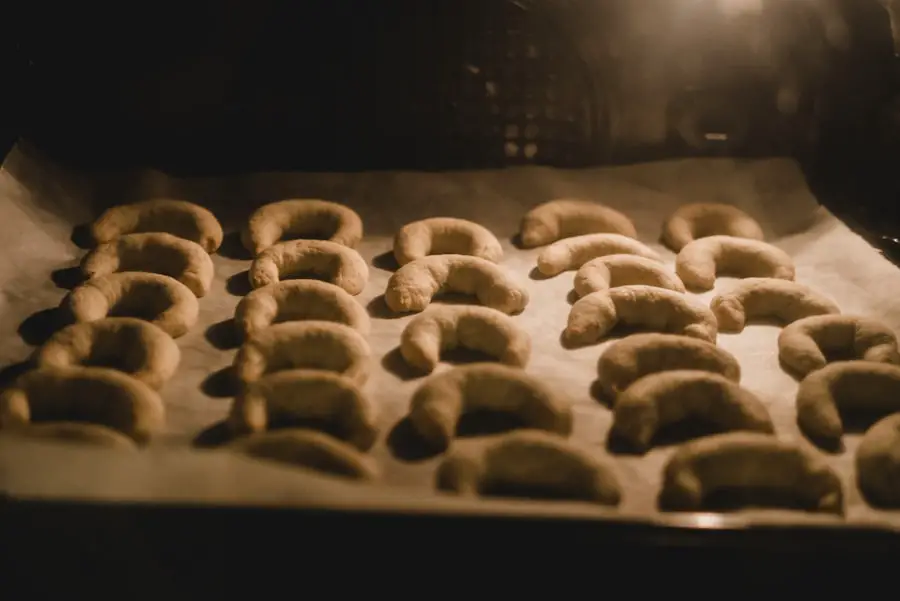
The unique texture and flavor profile of biscotti make it an exceptional companion for various beverages, enhancing the overall tasting experience. Traditionally, biscotti is served alongside coffee, particularly in Italy where it is often dipped into espresso. The act of dipping softens the cookie slightly, allowing its flavors to meld with the rich coffee. This pairing is not just about taste; it’s also about texture—crunchy biscotti contrasts beautifully with the smoothness of coffee, creating a delightful sensory experience.
Tea lovers also find joy in pairing biscotti with their favorite brews. The subtle sweetness and crunch of biscotti complement a wide range of teas, from robust black teas to delicate green varieties.
Additionally, herbal teas like chamomile or mint can provide a refreshing contrast to sweeter biscotti varieties. Beyond coffee and tea, biscotti has found its place in wine pairings as well.
In particular, dessert wines such as Vin Santo are traditionally served with cantucci in Tuscany. The sweetness of the wine balances the crunchiness of the biscotti, creating a harmonious end to a meal.
Biscotti: A Homemade Delight for Any Baker
| Recipe Name | Preparation Time | Cooking Time | Servings |
|---|---|---|---|
| Biscotti: A Homemade Delight for Any Baker | 20 minutes | 45 minutes | 12 servings |
Baking biscotti at home is an accessible endeavor that allows for creativity and personalization. The basic recipe requires only a handful of ingredients: flour, sugar, eggs, butter, and baking powder. From this foundation, bakers can experiment with various add-ins such as nuts, dried fruits, or spices to create unique flavor combinations.
The simplicity of the process makes it an excellent choice for novice bakers while still offering enough room for seasoned chefs to showcase their skills. One of the joys of making biscotti at home is the ability to tailor them to personal preferences or dietary restrictions. For those seeking gluten-free options, alternative flours such as almond or coconut flour can be used without sacrificing flavor or texture.
Additionally, bakers can adjust sweetness levels by using natural sweeteners like honey or maple syrup instead of refined sugar. The twice-baking process allows for flexibility in achieving the desired level of crunchiness; some may prefer a softer bite while others enjoy an extra-crispy finish. This adaptability makes homemade biscotti not just a treat but also a reflection of individual tastes and creativity.
The Health Benefits of Biscotti: A Guilt-Free Indulgence
While biscotti is often viewed as a sweet indulgence, it can also offer health benefits when made with wholesome ingredients. Traditional recipes can be modified to include whole grains or nut flours, which provide additional fiber and nutrients compared to standard white flour. Whole grain flours contribute to better digestion and sustained energy levels due to their higher fiber content.
Furthermore, incorporating nuts into biscotti not only enhances flavor but also adds healthy fats and protein. Another aspect that contributes to biscotti’s reputation as a guilt-free treat is its lower sugar content compared to many other baked goods. By using natural sweeteners or reducing sugar altogether, bakers can create a satisfying cookie that satisfies cravings without excessive calories.
Additionally, many biscotti recipes call for eggs, which are an excellent source of protein and essential nutrients like choline and selenium. When enjoyed in moderation, biscotti can serve as a balanced snack that provides energy without leading to sugar crashes often associated with more sugary desserts.
Biscotti: The Ideal Gift for Friends and Family
Customization Options
Homemade biscotti can be customized to suit the recipient’s tastes—chocolate lovers might appreciate dark chocolate-dipped varieties, while those who enjoy fruity flavors may prefer lemon or cranberry-infused options.
Practicality and Creative Gifting
Moreover, biscotti has a long shelf life compared to many other baked goods, making it a practical gift choice. Recipients can enjoy them over time without worrying about spoilage. This quality also allows for creative gifting opportunities during holidays or special occasions; they can be included in gift baskets alongside coffee or tea selections for a complete experience.
The Joy of Sharing
The act of sharing homemade biscotti not only spreads joy but also fosters connections among friends and family through shared culinary experiences.
Biscotti: A Traditional Treat with a Modern Twist
While traditional biscotti recipes hold a special place in culinary history, modern bakers have embraced innovation by infusing contemporary flavors and techniques into this classic treat. For instance, matcha-infused biscotti has gained popularity among health-conscious consumers seeking unique flavor profiles while enjoying the benefits of green tea’s antioxidants. Similarly, incorporating spices like chai or cardamom reflects current trends in flavor exploration.
Additionally, bakers are experimenting with alternative sweeteners such as agave syrup or coconut sugar to cater to those looking for healthier options without sacrificing taste. Vegan versions of biscotti have also emerged, utilizing plant-based ingredients like flaxseed meal or aquafaba as egg substitutes while maintaining the traditional texture and crunchiness that defines this beloved cookie. These modern adaptations ensure that biscotti remains relevant in today’s diverse culinary landscape while honoring its rich heritage.
Biscotti: Recipes and Variations for Every Palate
The world of biscotti is vast and varied, offering countless recipes that cater to different palates and preferences. Classic almond biscotti remains a favorite for many due to its simplicity and delightful crunch; however, variations abound that incorporate diverse ingredients and flavors. For chocolate lovers, recipes featuring cocoa powder or chocolate chips provide an indulgent twist on the traditional cookie.
Fruit-infused biscotti can also be created by adding dried fruits such as cranberries or apricots into the dough before baking. These additions not only enhance flavor but also contribute natural sweetness and chewiness that contrasts beautifully with the crunchy texture of the cookie itself. For those who enjoy savory flavors, cheese-infused biscotti made with Parmesan or herbs can serve as an intriguing appetizer option when paired with wine.
In conclusion, whether one prefers classic recipes or modern interpretations filled with innovative ingredients, there is undoubtedly a biscotti variation that will satisfy every taste bud. From traditional almond flavors to adventurous combinations like pistachio-rose or espresso-chocolate chip, the possibilities are endless in creating this delightful treat that continues to capture hearts around the world.
If you enjoy baking and trying new recipes, you may also be interested in learning how to make Vietnamese-Inspired Sweet and Spicy Catfish. This flavorful dish combines the bold flavors of Vietnamese cuisine with the delicate taste of catfish. Check out the recipe here and impress your friends and family with this unique and delicious meal.
FAQs
What is Biscotti?
Biscotti is a type of Italian almond biscuit or cookie that is twice-baked, resulting in a dry and crunchy texture.
What are the main ingredients in Biscotti?
The main ingredients in Biscotti typically include flour, sugar, eggs, almonds, and flavorings such as vanilla or anise.
How is Biscotti traditionally served?
Biscotti is traditionally served with a drink, such as coffee or wine, for dipping. It can also be enjoyed on its own as a snack or dessert.
What is the origin of Biscotti?
Biscotti originated in Italy, where it has been enjoyed for centuries. The name “biscotti” comes from the Latin word “biscoctus,” which means “twice-cooked.”
What are some popular variations of Biscotti?
Some popular variations of Biscotti include adding chocolate chips, dried fruit, or different types of nuts to the basic recipe. Anise-flavored Biscotti is also a traditional variation.
How long does Biscotti stay fresh?
When stored in an airtight container, Biscotti can stay fresh for up to two weeks. It can also be frozen for longer storage.