

The origins of cupcakes can be traced back to ancient civilizations, where small cakes were baked in clay pots over open fires. The concept of individual-sized cakes can be seen in the Roman Empire, where they would bake small cakes made from flour, honey, and eggs. These early versions of cakes were not sweetened with sugar as we know it today, but rather with honey and fruits, making them a far cry from the modern cupcake.
The term “cupcake” itself is believed to have emerged in the late 18th century, with the first recorded use appearing in a recipe by American author Eliza Leslie in 1828. She referred to them as “a cake to be baked in small cups,” which highlights the transition from larger cakes to these delightful individual portions. As the 19th century progressed, cupcakes began to gain popularity in America, particularly with the advent of baking powder, which allowed for lighter and fluffier cakes.
The introduction of standardized measurements in recipes also contributed to their rise, making it easier for home bakers to replicate these treats. By the late 19th century, cupcakes were being sold in bakeries across the United States, often adorned with simple frosting and sprinkles. The cupcake’s evolution continued into the 20th century, where they became a staple at birthday parties and celebrations, solidifying their place in American culture.
The post-World War II era saw a surge in convenience baking, with boxed cake mixes making it even easier for families to whip up a batch of cupcakes at home.
Key Takeaways
- Cupcakes have a long history, dating back to ancient times, and have evolved into the modern delights we enjoy today.
- Baking the perfect cupcake requires attention to detail and the right techniques, such as using room temperature ingredients and not overmixing the batter.
- Unique cupcake flavors like lavender honey and matcha green tea offer creative and tasty combinations for adventurous palates.
- Decorating cupcakes can be an art form, with techniques like piping, fondant shaping, and edible glitter for beautiful and Instagram-worthy treats.
- Vegan and gluten-free cupcakes offer delicious options for those with dietary preferences, using ingredients like almond flour and coconut milk for moist and flavorful treats.
The Art of Cupcake Baking: Tips and Tricks for Perfect Treats
Baking the perfect cupcake requires a blend of science and art, where precision meets creativity. One of the most crucial aspects of cupcake baking is ingredient measurement. Using a kitchen scale can ensure that you have the right proportions, especially when it comes to flour and sugar.
Over-measuring flour can lead to dense cupcakes, while under-measuring can result in a batter that lacks structure. Additionally, room temperature ingredients—such as eggs and butter—are essential for achieving a smooth batter that rises evenly. When creaming butter and sugar together, it’s important to do so until the mixture is light and fluffy; this process incorporates air into the batter, contributing to a tender crumb.
Another key factor is the mixing method. Overmixing can lead to tough cupcakes due to gluten development, while undermixing can leave lumps of flour in the batter. A gentle folding technique is often recommended after adding dry ingredients to wet ones.
This ensures that the batter remains light and airy. Furthermore, filling cupcake liners correctly is vital; they should be filled about two-thirds full to allow room for rising without overflowing.
Unique Cupcake Flavors: Exploring Creative and Tasty Combinations
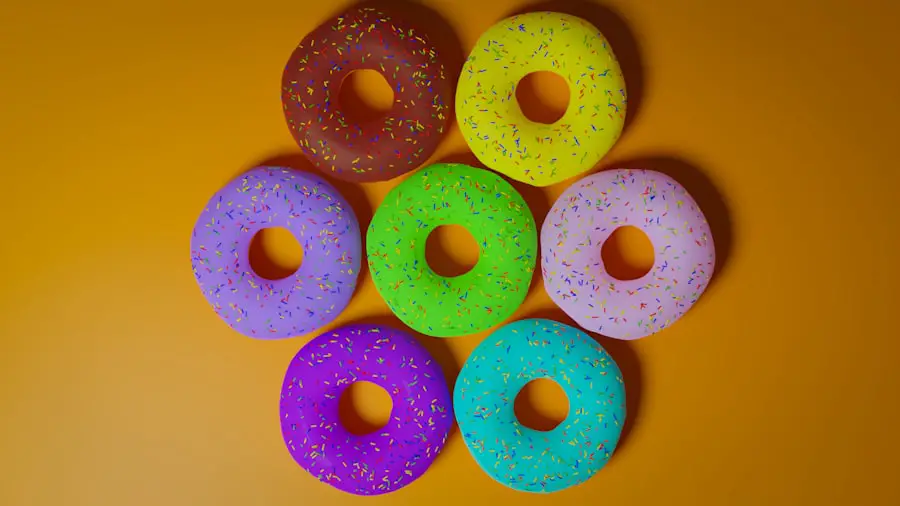
The world of cupcake flavors has expanded dramatically beyond the classic vanilla and chocolate options. Innovative bakers are now experimenting with a plethora of unique flavor combinations that tantalize the taste buds and surprise the palate. For instance, the combination of lavender and lemon has gained popularity for its refreshing floral notes paired with zesty citrus.
This flavor profile not only offers a delightful taste but also creates an aromatic experience that elevates the cupcake beyond mere dessert. Another exciting trend is the incorporation of savory elements into sweet treats. Cupcakes infused with bacon or cheese have emerged as gourmet options that challenge traditional dessert norms. A maple bacon cupcake combines sweet maple frosting with bits of crispy bacon, creating a sweet-and-salty experience that appeals to adventurous eaters. Additionally, flavors inspired by popular beverages are making waves; think of a chai latte cupcake featuring warm spices like cardamom and cinnamon topped with a creamy frosting reminiscent of frothy milk.
These creative combinations not only showcase culinary innovation but also invite bakers to explore their own flavor preferences.
Cupcake Decorating: Techniques for Beautiful and Instagram-Worthy Treats
| Technique | Description |
|---|---|
| Piping | Using piping bags to create intricate designs with frosting |
| Fondant | Using fondant to create 3D decorations and shapes |
| Sprinkles | Adding colorful and textured sprinkles for a fun and festive look |
| Edible Glitter | Using edible glitter to add sparkle and shine to cupcakes |
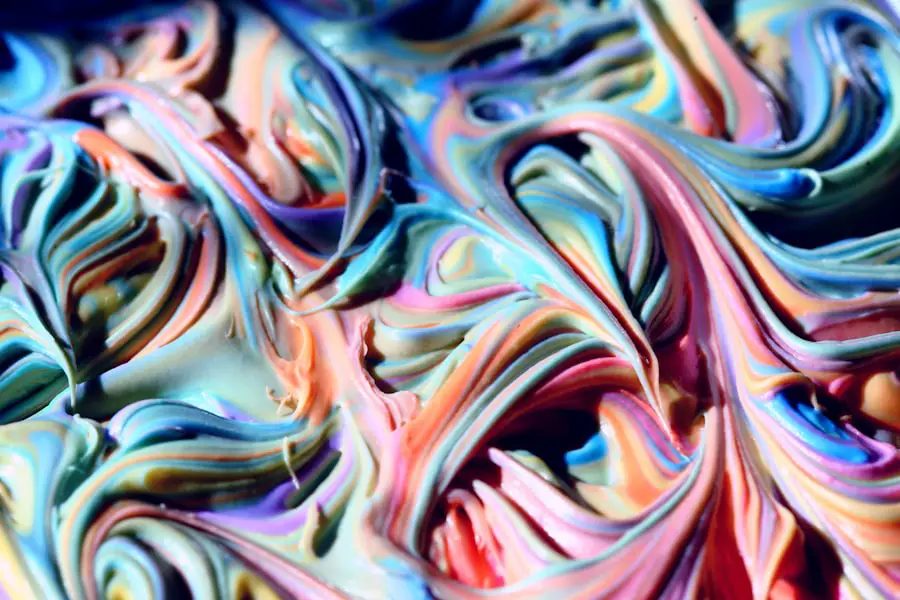
| Marbling | Creating beautiful marbled patterns with different colored frostings |
The visual appeal of cupcakes plays a significant role in their popularity, especially in an age dominated by social media platforms like Instagram. Decorating cupcakes can be an art form in itself, with various techniques available to create stunning presentations. One popular method is piping frosting using different tips to achieve various textures and designs.
For instance, a star tip can create beautiful rosettes or swirls, while a round tip is perfect for creating smooth dollops or writing messages on cupcakes. In addition to frosting techniques, incorporating edible decorations can elevate the aesthetic appeal of cupcakes. Sprinkles, edible glitter, and fresh fruit can add color and texture that make cupcakes visually striking.
For themed events or holidays, bakers often use fondant or chocolate decorations shaped into festive designs—think pumpkins for Halloween or hearts for Valentine’s Day. Another trend gaining traction is the use of natural food colorings derived from fruits and vegetables, allowing bakers to create vibrant hues without artificial additives. This not only enhances the visual appeal but also aligns with growing consumer preferences for natural ingredients.
Vegan and Gluten-Free Cupcakes: Delicious Options for All Dietary Preferences
As dietary preferences evolve, so too does the world of baking, leading to an increase in vegan and gluten-free cupcake options that do not compromise on taste or texture. Vegan cupcakes typically replace eggs and dairy with plant-based alternatives such as applesauce, flaxseed meal, or almond milk.
A popular vegan cupcake flavor is chocolate avocado; the avocado provides healthy fats while keeping the cupcake moist and rich. Gluten-free baking presents its own set of challenges due to the absence of traditional wheat flour; however, a variety of gluten-free flours such as almond flour, coconut flour, or gluten-free all-purpose blends have made it easier for bakers to create delicious treats without gluten. A standout example is a coconut flour cupcake infused with pineapple; this tropical combination offers a delightful flavor while remaining gluten-free.
Additionally, many bakers are now experimenting with alternative sweeteners like agave syrup or coconut sugar to cater to those seeking lower glycemic index options.
Cupcake Trends: What’s Hot and New in the World of Sweet Treats
The cupcake landscape is ever-evolving, with trends emerging that reflect changing consumer preferences and culinary innovations. One notable trend is the rise of “naked” cupcakes—those that are intentionally left unfrosted or lightly frosted to showcase their layers and fillings. This minimalist approach emphasizes quality ingredients and allows for creative fillings such as fruit compotes or flavored creams that add depth without overwhelming sweetness.
Another trend gaining traction is the incorporation of global flavors into traditional cupcake recipes. For example, matcha green tea has become increasingly popular in desserts beyond just beverages; matcha-infused cupcakes offer a unique earthy flavor profile that pairs well with white chocolate frosting. Similarly, flavors inspired by international desserts—such as tiramisu or baklava—are being adapted into cupcake form, allowing bakers to explore diverse culinary traditions while appealing to adventurous eaters.
Cupcake Pairings: The Perfect Beverages to Enjoy with Your Favorite Cupcake
Pairing beverages with cupcakes can enhance the overall tasting experience, much like wine pairings with gourmet meals. Coffee is often considered a classic companion for chocolate cupcakes; the rich flavors of coffee complement the deep cocoa notes beautifully. A dark roast coffee can bring out the sweetness in chocolate while balancing its richness.
For vanilla or lemon-flavored cupcakes, a light herbal tea or sparkling water can provide a refreshing contrast that cleanses the palate between bites. For those looking for something more indulgent, milkshakes or flavored lattes can create a decadent pairing experience. A salted caramel cupcake pairs wonderfully with a salted caramel latte; both share similar flavor profiles that enhance each other’s sweetness while adding complexity through contrasting textures.
Additionally, craft beers have entered the pairing scene; stouts or porters can complement rich chocolate cupcakes while lighter ales may pair well with fruity flavors like raspberry or lemon.
Cupcake Gift Ideas: How to Share the Joy of Cupcakes with Loved Ones
Sharing cupcakes as gifts is a delightful way to spread joy and celebrate special occasions. One popular idea is creating personalized cupcake boxes for birthdays or holidays; these can be filled with an assortment of flavors tailored to the recipient’s preferences. Customizing each box not only shows thoughtfulness but also allows for creativity in presentation—decorative liners and themed packaging can elevate even simple treats into memorable gifts.
Another unique gifting option is hosting a cupcake decorating party where friends or family members can come together to create their own masterpieces. Providing various toppings and frosting options encourages creativity while fostering connection through shared experiences. Alternatively, gifting a subscription box filled with gourmet cupcakes from local bakeries allows recipients to enjoy new flavors each month without any effort on their part.
This thoughtful gesture not only supports local businesses but also introduces loved ones to new culinary delights they may not have tried otherwise.
If you’re looking for a healthier alternative to cupcakes, you might want to try making a Crunchy Creamy Cucumber Avocado Salad. This refreshing salad is packed with nutrients and flavor, making it a perfect choice for a light and satisfying meal. Check out the recipe here for a delicious and nutritious dish that will leave you feeling satisfied and energized.
FAQs
What are cupcakes?
Cupcakes are small individual cakes that are typically baked in a cup-shaped container, such as a muffin tin. They are often topped with frosting or other decorations.
What are the most common flavors of cupcakes?
Some of the most common flavors of cupcakes include vanilla, chocolate, red velvet, and lemon. However, there are countless other flavors and combinations available.
What is the history of cupcakes?
Cupcakes have been around for centuries, with the first mention of a “cupcake” appearing in an American cookbook in 1796. The name “cupcake” comes from the method of measuring ingredients using a standard cup, rather than by weight.
What are some popular toppings for cupcakes?
Popular toppings for cupcakes include buttercream frosting, cream cheese frosting, chocolate ganache, sprinkles, edible glitter, and fondant decorations.
Are there any variations of cupcakes?
Yes, there are many variations of cupcakes, including filled cupcakes, vegan cupcakes, gluten-free cupcakes, and mini cupcakes. There are also savory versions of cupcakes, known as “savory muffins.”
What occasions are cupcakes commonly served at?
Cupcakes are commonly served at birthday parties, weddings, baby showers, and other special events. They are also popular as a sweet treat for everyday snacking.