

The origins of sorbet can be traced back to ancient civilizations, where the concept of frozen desserts began to take shape. Historical records suggest that the earliest forms of sorbet were enjoyed by the Greeks and Romans, who would mix snow or crushed ice with honey and fruit juices. This primitive version of sorbet was not only a refreshing treat but also a symbol of luxury, reserved for the elite.
The Roman Emperor Nero is famously known for sending his slaves to the mountains to fetch snow, which was then flavored with fruits and served at lavish banquets. This early indulgence laid the groundwork for what would evolve into the sorbet we know today. As time progressed, the art of making frozen desserts spread across Europe, particularly during the Renaissance.
In Italy, the creation of sorbetto marked a significant advancement in the craft. Italian chefs began experimenting with various flavor combinations and techniques, leading to a more refined product. By the 17th century, sorbet had made its way to France, where it was embraced by the aristocracy.
The French term “sorbet” is derived from the Italian “sorbetto,” and it quickly became a staple in French cuisine. The introduction of ice cream machines in the 19th century further revolutionized sorbet production, allowing for smoother textures and a wider variety of flavors. Today, sorbet is celebrated worldwide as a versatile and delightful frozen dessert, enjoyed by people of all ages.
Key Takeaways
- Sorbet has ancient origins and has evolved into a modern delight enjoyed around the world.
- Making the perfect sorbet involves tips and tricks such as using ripe fruits and chilling the mixture before churning.
- Sorbet flavors are endless, including fruity, creamy, and exotic options to suit every taste preference.
- Sorbet is a guilt-free indulgence with health benefits such as being low in fat and calories and containing essential vitamins and minerals.
- Sorbet desserts and cocktails are perfect for summer entertaining, wowing guests with refreshing and delicious treats.
The Art of Making Sorbet: Tips and Tricks for Creating the Perfect Summer Treat
Creating the perfect sorbet at home requires a blend of technique, quality ingredients, and a touch of creativity. One of the most crucial aspects of making sorbet is selecting ripe, flavorful fruits. The natural sweetness and acidity of fresh fruit play a significant role in determining the final taste of the sorbet.
For instance, using overripe strawberries can yield a more intense flavor compared to those that are just ripe. Additionally, incorporating a balance of sweet and tart fruits can enhance the overall complexity of the dessert. For example, combining sweet peaches with tart lemons can create a refreshing and well-rounded flavor profile.
This step helps achieve a smoother texture by reducing ice crystal formation during freezing. If you don’t have an ice cream maker, you can still make sorbet by placing your mixture in a shallow dish and freezing it.
Every 30 minutes, stir the mixture vigorously with a fork to break up any ice crystals that form. This method requires more effort but can yield delightful results. Finally, consider adding a splash of alcohol, such as vodka or rum, to your sorbet mixture.
Alcohol lowers the freezing point, resulting in a softer texture that is easier to scoop while also adding an extra layer of flavor.
Sorbet Flavors: Exploring the Endless Possibilities of Fruity, Creamy, and Exotic Options
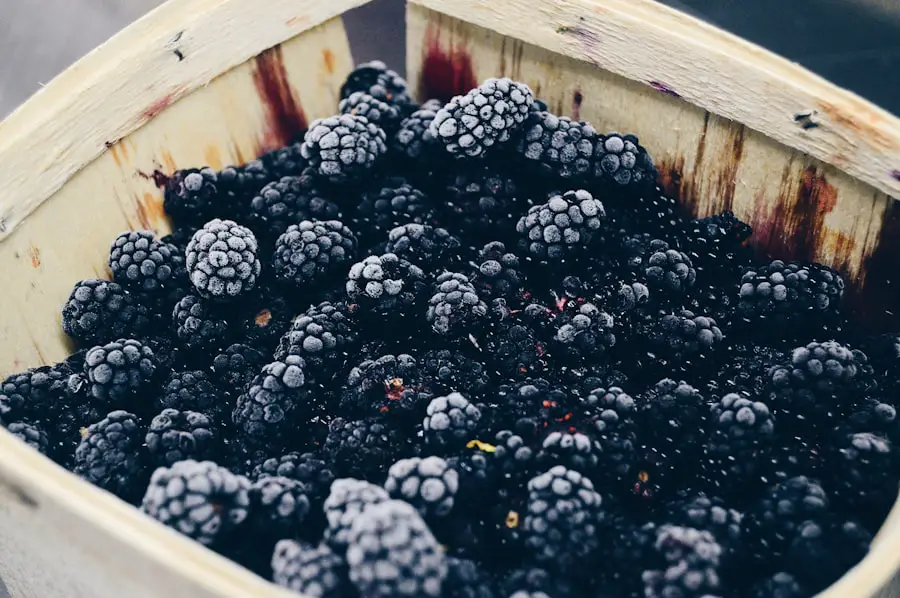
The world of sorbet flavors is as diverse as it is delicious, offering endless possibilities for experimentation. Traditional fruit flavors like lemon, raspberry, and mango remain popular choices due to their bright and refreshing profiles. However, adventurous home cooks and professional chefs alike are increasingly exploring unique flavor combinations that push the boundaries of this frozen treat.
For instance, pairing classic fruits with herbs such as basil or mint can create an unexpected yet harmonious blend. A strawberry-basil sorbet can provide a refreshing twist on a familiar favorite, while a watermelon-mint sorbet offers a cooling sensation perfect for hot summer days. In addition to fruity options, creamy sorbets have gained popularity as well.
These variations often incorporate ingredients like coconut milk or almond milk to create a rich texture without dairy. A coconut-lime sorbet can transport you to tropical shores with its creamy consistency and zesty flavor. Exotic flavors are also making waves in the sorbet scene; ingredients like matcha green tea, hibiscus flowers, or even spicy chili can add depth and intrigue to your frozen dessert repertoire.
The key to successful flavor experimentation lies in balancing sweetness with acidity and considering how different ingredients interact with one another.
Health Benefits of Sorbet: Why This Frozen Dessert is a Guilt-Free Indulgence
| Health Benefits of Sorbet | Details |
|---|---|
| Low in Calories | Sorbet is typically low in calories, making it a guilt-free dessert option. |
| Fat-Free | It is free of fat, which can be beneficial for those looking to reduce their fat intake. |
| Dairy-Free | For individuals with lactose intolerance or dairy allergies, sorbet is a great alternative to ice cream. |
| Rich in Vitamins | Sorbet made from real fruits can be a good source of vitamins and minerals. |
| Hydrating | Due to its high water content, sorbet can help keep you hydrated. |
Sorbet is often viewed as a healthier alternative to traditional ice cream due to its lower fat content and reliance on fruit as a primary ingredient. Made primarily from fruit puree, water, and sugar, sorbet can be a guilt-free indulgence when enjoyed in moderation. The use of fresh fruits not only contributes natural sweetness but also provides essential vitamins and antioxidants.
For example, berry-based sorbets are rich in vitamin C and fiber, which can support immune function and digestive health. Moreover, sorbet is typically lower in calories than its creamy counterparts, making it an appealing option for those looking to satisfy their sweet tooth without overindulging. Many recipes allow for reduced sugar content by utilizing ripe fruits that naturally sweeten the mixture.
Additionally, because sorbet is dairy-free, it can be enjoyed by individuals with lactose intolerance or those following vegan diets. This versatility makes sorbet an inclusive dessert option that caters to various dietary preferences while still delivering on taste.
Sorbet and Summer Entertaining: How to Wow Your Guests with Refreshing Sorbet Desserts
When it comes to summer entertaining, serving sorbet can elevate your gathering from ordinary to extraordinary. One way to impress your guests is by creating a stunning sorbet platter featuring an array of colors and flavors. Consider offering small scoops of different sorbets arranged artfully on a large serving dish or individual bowls.
This not only provides visual appeal but also allows guests to sample multiple flavors at once. Pairing sorbets with complementary garnishes such as fresh mint leaves, edible flowers, or citrus zest can enhance both presentation and taste. Incorporating sorbet into your dessert menu can also take on creative forms beyond simple scoops.
For instance, you could serve sorbet in hollowed-out fruit shells like oranges or pineapples for an eye-catching presentation that adds an element of fun to your gathering. Another idea is to create sorbet floats by adding a scoop of your favorite sorbet to sparkling water or prosecco for a refreshing twist on traditional cocktails.
Sorbet Cocktails: Mixing Up Cool and Delicious Drinks for Hot Summer Days
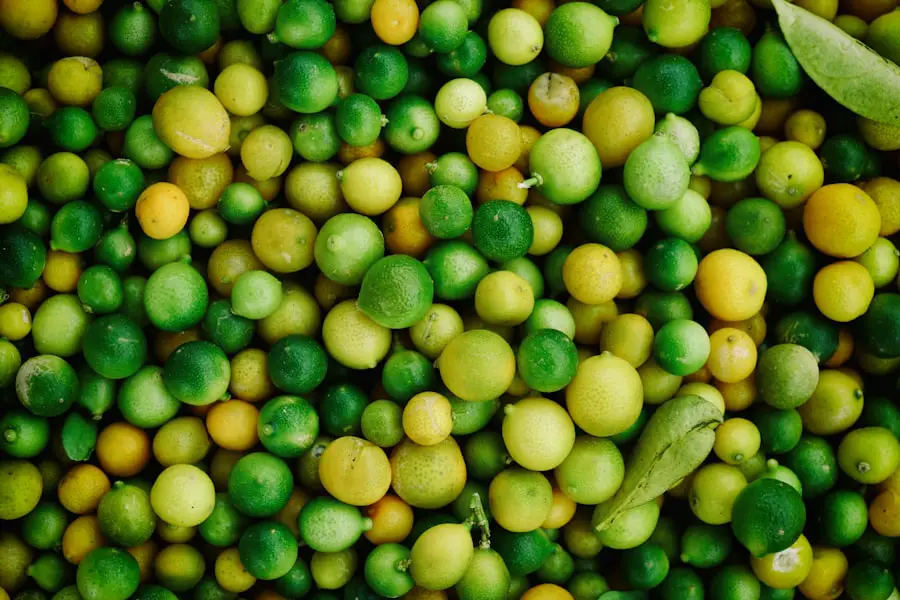
As temperatures rise during summer months, refreshing cocktails become essential for outdoor gatherings and celebrations. Sorbet cocktails offer a unique twist on traditional beverages by incorporating frozen fruit flavors into cocktails for added texture and taste. One popular option is the sorbet margarita, where a scoop of lime or mango sorbet is blended with tequila and lime juice for a slushy delight that captures the essence of summer in every sip.
Another exciting cocktail idea involves using sorbet as an ice cube substitute in drinks like sangria or spritzers. By adding scoops of fruity sorbet directly into your beverage instead of regular ice cubes, you not only chill your drink but also infuse it with additional flavor as the sorbet melts slowly over time. For example, raspberry sorbet in white wine sangria creates a delightful fusion that enhances both sweetness and acidity while keeping your drink cool and refreshing.
Sorbet and Wellness: How This Frozen Treat Can Help You Beat the Heat and Stay Hydrated
During sweltering summer days, staying hydrated becomes paramount for overall health and well-being. Sorbet can serve as an enjoyable way to replenish fluids while satisfying cravings for something sweet. Many fruit-based sorbets contain high water content due to their primary ingredient—fruit—which helps keep you hydrated while providing essential nutrients.
For instance, watermelon sorbet not only quenches thirst but also delivers vitamins A and C along with electrolytes that support hydration. In addition to hydration benefits, enjoying sorbet can also promote mindfulness around food choices during hot weather. Opting for lighter desserts like sorbet instead of heavier options allows individuals to indulge without feeling weighed down or sluggish afterward.
This mindful approach encourages balance in one’s diet while still allowing room for enjoyment during summer festivities.
Sorbet Around the World: Discovering Different Cultures’ Take on this Summertime Delight
Sorbet has transcended cultural boundaries over centuries, leading to diverse interpretations across various regions worldwide. In Italy, granita is a beloved frozen treat similar to sorbet but typically has a coarser texture due to its preparation method involving scraping ice crystals from flavored water mixtures. Granita is often enjoyed as breakfast or dessert during hot summer months in Sicily, where flavors range from coffee to almond.
In contrast, Middle Eastern cultures have their own take on frozen desserts with dishes like “sharbat,” which often incorporates rosewater or orange blossom water along with fruit juices for added fragrance and flavor complexity. These regional variations highlight how different cultures have embraced the concept of frozen treats while infusing their unique culinary traditions into each creation. Exploring these global interpretations not only broadens one’s palate but also fosters appreciation for how food connects people across cultures through shared experiences centered around enjoyment and refreshment during warm weather months.
If you’re a fan of refreshing and fruity desserts like sorbet, you may also enjoy trying out some Fudgy Brownies from Deliciously Ella. These rich and indulgent treats are a perfect complement to the light and tangy flavors of sorbet. Check out the recipe here for a delicious and satisfying dessert pairing.
FAQs
What is sorbet?
Sorbet is a frozen dessert made from sweetened water flavored with fruit juice, purée, wine, or liqueur. It is similar to ice cream but does not contain any dairy products.
How is sorbet made?
Sorbet is typically made by mixing water and sugar to create a syrup, then adding fruit juice or purée. The mixture is then churned in an ice cream maker to incorporate air and create a smooth texture.
Is sorbet dairy-free?
Yes, sorbet is dairy-free as it does not contain any milk, cream, or other dairy products. It is a popular option for those who are lactose intolerant or following a vegan diet.
What flavors are available for sorbet?
Sorbet can be made in a wide variety of flavors, including citrus fruits like lemon, lime, and orange, as well as berries, tropical fruits, and even wine or liqueur-based flavors.
Is sorbet the same as sherbet?
No, sorbet and sherbet are not the same. Sorbet is dairy-free, while sherbet contains a small amount of dairy, usually in the form of milk or cream. Sherbet also tends to have a creamier texture compared to sorbet.