

Mousse, a term derived from the French word for “foam,” has a storied history that dates back to the 18th century. Initially, it was a savory dish, often made with fish or meat, and served as a luxurious treat for the aristocracy.
The transition from savory to sweet mousse began in the 19th century, coinciding with the rise of chocolate as a popular ingredient in desserts. This shift marked the beginning of mousse’s evolution into the beloved dessert we know today. As culinary techniques advanced, so did the complexity of mousse recipes.
The introduction of whipped cream and egg whites allowed for a lighter, more delicate texture, which became synonymous with dessert mousses. By the late 19th and early 20th centuries, mousse had firmly established itself in French patisserie, with iconic variations such as chocolate mousse and fruit mousse gaining popularity. The post-war era saw mousse becoming a staple in fine dining establishments around the world, celebrated for its versatility and elegance.
Today, mousse is not only a testament to culinary artistry but also a reflection of cultural influences, as chefs continue to innovate and reinterpret this classic dish.
Key Takeaways
- Mousse has a rich culinary tradition with a history dating back centuries.
- Choosing the perfect ingredients, whether it’s chocolate or fruit, is crucial for creating delicious mousse.
- Understanding the science of whipping is essential for achieving the perfect texture in mousse.
- Mastering the art of flavors allows for creating unique and delicious mousse combinations.
- Techniques for incorporating air are key to creating light and fluffy mousse.
Choosing the Perfect Ingredients: From Chocolate to Fruit
The foundation of an exceptional mousse lies in the quality of its ingredients. When it comes to chocolate mousse, the choice of chocolate is paramount. High-quality dark chocolate with a cocoa content of at least 70% is often recommended for its rich flavor and ability to create a deep, satisfying taste.
The chocolate should be melted gently to avoid burning, and tempering it can enhance its sheen and texture. For those who prefer a lighter option, white chocolate or milk chocolate can be used, but they require careful balancing with other ingredients to prevent overwhelming sweetness. Fruits also play a significant role in crafting delightful mousses.
Fresh, ripe fruits such as raspberries, strawberries, and mangoes can be pureed and folded into the base for a refreshing twist. The acidity in fruits like citrus can help cut through the richness of cream and chocolate, creating a harmonious balance. Additionally, using seasonal fruits not only enhances flavor but also adds visual appeal to the dish.
When selecting ingredients, it is essential to consider their freshness and quality; organic produce often yields better flavor profiles and contributes to a more vibrant final product.
The Science of Whipping: Tips for Creating the Perfect Texture
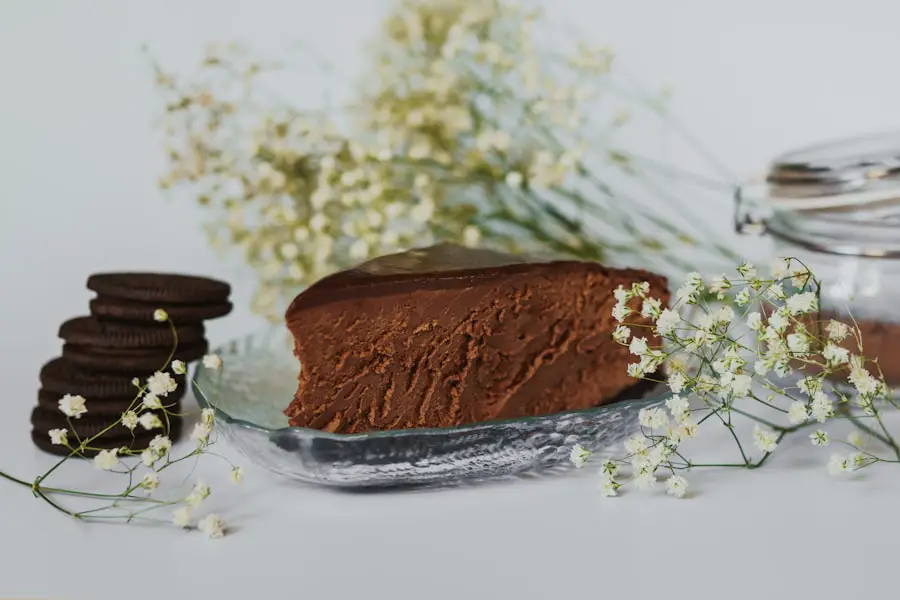
Whipping is a crucial step in achieving the signature light and airy texture of mousse. The process involves incorporating air into the mixture, which is primarily achieved through whipping cream or egg whites. Understanding the science behind this technique can significantly impact the final result.
When cream is whipped, fat molecules begin to stabilize around air bubbles, creating a structure that holds its shape. For optimal results, it is essential to start with cold cream, as colder temperatures allow for better aeration. Egg whites also play a vital role in mousse preparation.
When whipped to soft or stiff peaks, they create a foam that can dramatically increase volume and lightness. It is important to ensure that no fat or yolk contaminates the egg whites, as this can hinder their ability to whip properly. Adding a pinch of salt or an acid like cream of tartar can help stabilize the foam during whipping.
For those looking to experiment with alternative methods, aquafaba— the liquid from canned chickpeas— has emerged as a popular egg white substitute for vegan mousses, providing similar aeration properties.
Mastering the Art of Flavors: Creating Unique Mousse Combinations
| Flavor Combinations | Number of Recipes | Difficulty Level |
|---|---|---|
| Chocolate and Raspberry | 10 | Intermediate |
| Lemon and Blueberry | 8 | Easy |
| Strawberry and Basil | 5 | Advanced |
The beauty of mousse lies in its versatility; it serves as an excellent canvas for flavor experimentation. While classic chocolate and vanilla mousses are timeless favorites, adventurous chefs are increasingly exploring unique combinations that tantalize the palate. For instance, pairing chocolate with unexpected flavors such as chili or sea salt can elevate the dessert to new heights by adding complexity and depth.
Similarly, incorporating herbs like basil or mint into fruit mousses can introduce refreshing notes that surprise and delight. Another innovative approach involves layering flavors within the mousse itself. For example, creating a layered mousse with alternating flavors—such as coffee and hazelnut—can provide an exciting visual element while enhancing the overall tasting experience.
Additionally, infusing creams with spices like cardamom or cinnamon before whipping can impart subtle warmth and richness to the final product. The key to mastering flavor combinations lies in balancing sweetness with acidity and bitterness; this ensures that no single flavor overwhelms the others while allowing each component to shine.
Techniques for Incorporating Air: Creating Light and Fluffy Mousse
Incorporating air into mousse is an art form that requires precision and technique. One effective method is folding; this gentle technique involves combining whipped cream or egg whites with a denser base without deflating the mixture. To achieve this, it is crucial to use a spatula and employ a gentle motion that lifts from the bottom of the bowl while rotating it.
This technique allows for even distribution of air throughout the mixture while maintaining its lightness. Another technique involves using a siphon or whipped cream dispenser, which utilizes pressurized gas to aerate the mixture quickly. This method not only speeds up the process but also creates an exceptionally light texture that is difficult to achieve through traditional whipping alone.
For those looking to experiment further, incorporating gelatin can provide additional stability while still allowing for a light mouthfeel. However, it is essential to dissolve gelatin properly before adding it to avoid clumps in the final product.
Serving and Presentation: Elevating Your Mousse to a Decadent Dessert
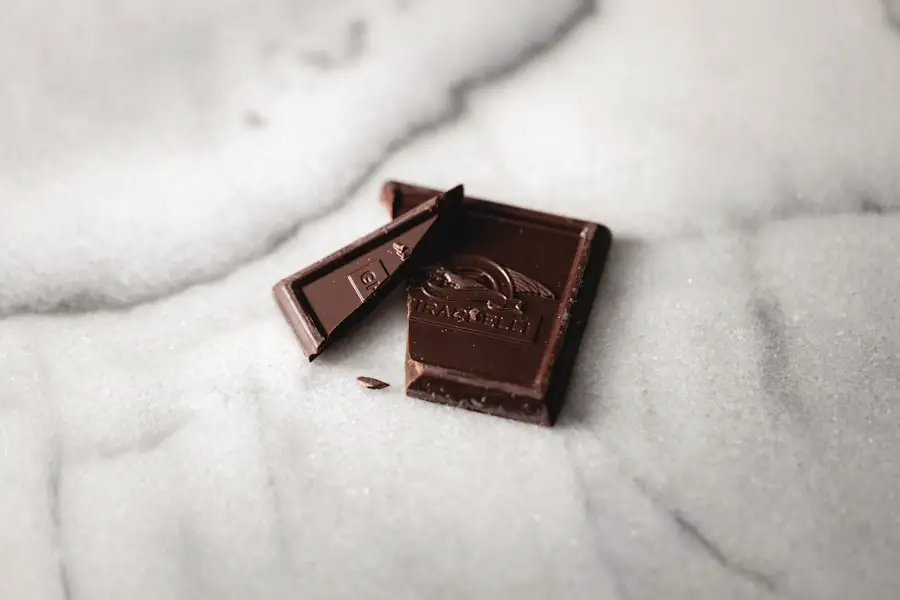
Presentation plays a pivotal role in transforming mousse from a simple dessert into an elegant culinary experience. The choice of serving vessel can significantly impact visual appeal; glass cups or jars allow diners to appreciate the layers and textures within the mousse. Garnishing with fresh fruits, edible flowers, or chocolate shavings can add color and sophistication while enhancing flavor profiles.
Temperature also affects presentation; serving mousse chilled allows for a firmer texture that holds its shape better when plated. For added flair, consider drizzling sauces such as raspberry coulis or caramel around the plate before placing the mousse on top. This not only enhances visual appeal but also provides an additional layer of flavor that complements the dessert.
Finally, incorporating textures through toppings like crushed nuts or cookie crumbles can create an engaging contrast that elevates the overall dining experience.
Mousse Beyond Desserts: Savory Mousse Recipes to Impress
While sweet mousses are widely celebrated, savory variations offer an exciting opportunity for culinary exploration. Savory mousses can serve as elegant appetizers or unique side dishes that impress guests at any gathering. For instance, a smoked salmon mousse made with cream cheese and fresh herbs creates a luxurious spread perfect for crackers or toast points.
The delicate texture combined with rich flavors makes it an ideal choice for sophisticated gatherings. Another intriguing option is a beetroot mousse that combines roasted beets with goat cheese and whipped cream for a vibrant dish that showcases both color and flavor. This type of mousse not only serves as an eye-catching centerpiece but also provides a delightful contrast between earthy sweetness and tangy creaminess.
Incorporating spices such as cumin or paprika can further enhance these savory creations, allowing chefs to tailor flavors according to their preferences.
The Future of Mousse: Modern Twists and Innovations
As culinary trends continue to evolve, so too does the world of mousse. Modern chefs are pushing boundaries by incorporating unconventional ingredients and techniques into their recipes. For example, plant-based alternatives are gaining traction; vegan mousses made from avocados or silken tofu are becoming increasingly popular among health-conscious consumers seeking indulgence without compromising dietary choices.
Additionally, molecular gastronomy has introduced innovative methods such as spherification and foaming agents that allow chefs to create avant-garde interpretations of traditional mousse. These techniques enable the creation of unexpected textures and presentations that challenge diners’ perceptions of what mousse can be. Furthermore, global influences are inspiring chefs to incorporate diverse flavors from around the world into their mousses—think matcha green tea or chai-spiced variations that reflect cultural heritage while appealing to contemporary palates.
In conclusion, mousse remains a dynamic dessert that continues to inspire creativity in kitchens worldwide. Its rich history serves as a foundation for ongoing innovation, ensuring that this beloved dish will evolve while retaining its essence as a symbol of culinary artistry.
If you’re a fan of indulgent desserts like mousse, you may also enjoy trying out this delicious chocolate brownies recipe that is sure to satisfy your sweet tooth. The rich and fudgy texture of the brownies pairs perfectly with the light and airy consistency of mousse. Both desserts are decadent treats that are perfect for any occasion.
FAQs
What is mousse?
Mousse is a light and airy dessert or savory dish that is made by incorporating air bubbles to create a smooth and creamy texture. It can be sweet or savory and is often flavored with ingredients such as chocolate, fruit, or seafood.
How is mousse made?
Mousse is typically made by combining a base ingredient (such as chocolate, fruit, or seafood) with whipped cream or egg whites to create a light and fluffy texture. Gelatin or agar-agar may also be used to help set the mousse.
What are the different types of mousse?
There are various types of mousse, including chocolate mousse, fruit mousse (such as raspberry or mango), and savory mousse (such as salmon or chicken liver). Each type of mousse can be flavored and customized to suit different tastes and preferences.
How is mousse served?
Mousse is typically served chilled and can be presented in a variety of ways, such as in individual serving dishes, molded into shapes, or used as a filling for cakes and pastries. It is often garnished with whipped cream, fruit, or chocolate shavings.
Is mousse the same as pudding?
No, mousse and pudding are different desserts. Mousse is light and airy, while pudding is thick and creamy. Mousse is also typically made with whipped cream or egg whites, while pudding is made with milk, sugar, and a thickening agent such as cornstarch or eggs.