

Falooda, a delightful dessert that has captured the hearts and palates of many, boasts a rich history that traces its origins back to Persia. The name itself is derived from the Persian word “fālūdhaj,” which refers to a type of cold drink made with vermicelli and flavored with rose water. This ancient treat was initially enjoyed by the Persian nobility, who relished its refreshing qualities during the sweltering summer months.
As trade routes expanded and cultural exchanges flourished, falooda made its way to the Indian subcontinent, where it underwent a transformation that would solidify its place in Indian culinary tradition. In India, falooda found a new home, particularly in the Mughal courts, where it was embraced and adapted to local tastes. The Mughals, known for their opulent feasts and love for intricate flavors, incorporated ingredients such as milk, sugar, and various spices into the dish.
This fusion of Persian and Indian culinary practices gave rise to a unique version of falooda that featured not only the traditional vermicelli but also the addition of basil seeds, rose syrup, and ice cream. The dessert quickly gained popularity among the masses, becoming a staple in street food culture and a beloved treat during festivals and special occasions.
Key Takeaways
- Falooda originated in Persia and was brought to India during the Mughal Empire.
- The key ingredients of falooda include vermicelli, rose syrup, basil seeds, and milk, creating a unique and delicious combination.
- Modern variations of falooda include adding ice cream, fruits, and nuts, offering a contemporary twist to the traditional recipe.
- Falooda holds cultural significance in India, often being served during special occasions and celebrations.
- Making falooda at home is easy with a step-by-step guide, allowing you to enjoy this delightful dessert in the comfort of your own kitchen.
- Embark on a culinary adventure to find the best falooda in India, exploring different regions and local eateries for a truly authentic experience.
The Ingredients of Falooda: A Delicious Combination
At its core, falooda is a harmonious blend of diverse ingredients that come together to create a symphony of flavors and textures. The base typically consists of thin vermicelli noodles made from wheat or rice flour, which provide a chewy texture that contrasts beautifully with the other components. These noodles are often soaked in water or milk before being layered into the dessert, ensuring they are soft and ready to absorb the surrounding flavors.
One of the defining features of falooda is the use of basil seeds, also known as sabja seeds. These tiny black seeds swell up when soaked in water, taking on a gelatinous texture that adds an interesting mouthfeel to the dish. They are not only a source of dietary fiber but also offer a cooling effect, making falooda an ideal treat for hot weather.
Additionally, rose syrup is a quintessential ingredient that imparts a fragrant sweetness to the dessert. This syrup is often homemade using fresh rose petals, sugar, and water, although commercially available versions are also widely used.
While traditional falooda often features vanilla or kulfi ice cream, modern variations have introduced an array of flavors such as mango, pistachio, and even chocolate. The combination of these ingredients creates a visually stunning dessert that is as pleasing to the eye as it is to the palate.
The Variations of Falooda: From Traditional to Modern Twists
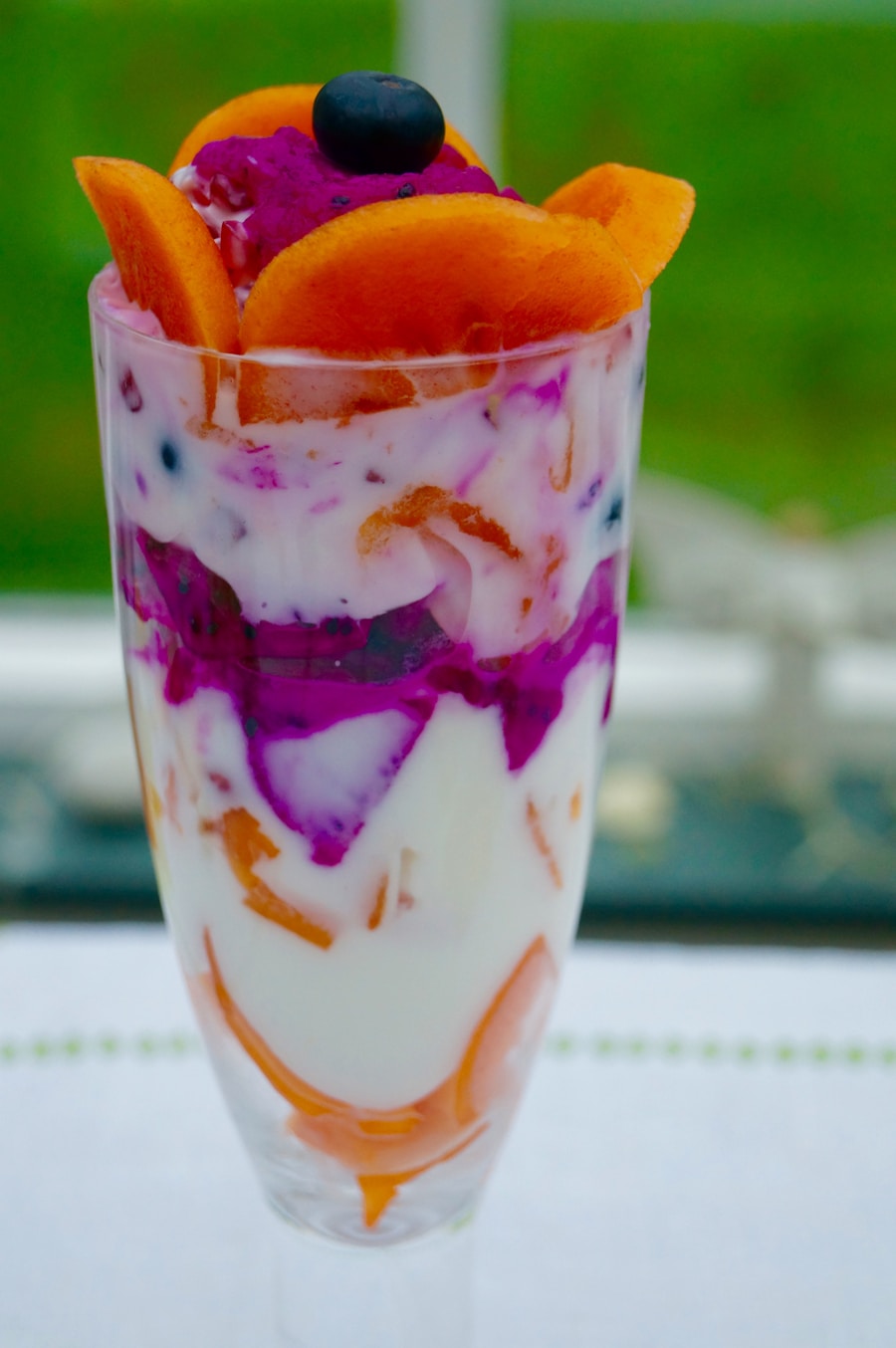
While traditional falooda remains a beloved classic, its versatility has led to numerous variations that cater to evolving tastes and preferences. One popular adaptation is the mango falooda, which incorporates fresh mango pulp or puree into the mix. This version is particularly popular during the summer months when mangoes are in season, offering a refreshing burst of flavor that complements the other ingredients beautifully.
Another modern twist on falooda is the chocolate falooda, which appeals to chocolate lovers seeking a decadent dessert experience. In this variation, chocolate syrup or cocoa powder is added to the traditional recipe, creating a rich and indulgent treat. Some versions even include chocolate ice cream or chocolate chips for an extra layer of flavor.
This fusion of traditional Indian dessert elements with contemporary flavors showcases how falooda continues to evolve while retaining its cultural roots. In addition to these variations, regional adaptations have emerged across India. For instance, in Maharashtra, one might find falooda served with a layer of sweetened condensed milk or flavored with cardamom for an aromatic twist.
In South India, coconut milk may be used instead of regular milk, imparting a tropical flair to the dish. These regional interpretations highlight the adaptability of falooda and its ability to resonate with diverse culinary traditions throughout India.
The Cultural Significance of Falooda in India
Falooda holds a special place in Indian culture, transcending mere culinary enjoyment to become a symbol of celebration and togetherness. It is often associated with festive occasions such as Eid, Diwali, and weddings, where it is served as a refreshing dessert after lavish meals. The act of sharing falooda among family and friends fosters a sense of community and joy, making it more than just a dish but rather an experience that brings people together.
Moreover, falooda has become an integral part of India’s vibrant street food scene. Street vendors across cities like Mumbai, Delhi, and Kolkata serve up their unique takes on this beloved dessert, attracting locals and tourists alike. The sight of colorful layers of vermicelli, basil seeds, and ice cream being assembled in tall glasses is a common one in bustling markets and food stalls.
This accessibility has contributed to falooda’s status as a beloved treat enjoyed by people from all walks of life. In addition to its social significance, falooda also reflects India’s rich culinary heritage. The blending of Persian influences with local ingredients showcases the country’s historical interactions with various cultures over centuries.
As such, falooda serves as a delicious reminder of India’s diverse gastronomic landscape and its ability to adapt and innovate while honoring tradition.
How to Make Falooda at Home: A Step-by-Step Guide
Creating falooda at home can be an enjoyable culinary adventure that allows you to customize the dessert according to your preferences. To begin with, gather your ingredients: vermicelli noodles (preferably thin), basil seeds (sabja), milk (or coconut milk for a twist), rose syrup, sugar (to taste), and your choice of ice cream. Start by soaking the basil seeds in water for about 30 minutes until they swell up and become gelatinous.
Meanwhile, cook the vermicelli noodles according to package instructions until they are soft but still retain some bite. Once cooked, drain them and rinse under cold water to stop the cooking process. Next, prepare your milk base by heating it gently in a saucepan and adding sugar to taste.
You can also infuse it with cardamom or saffron for added flavor if desired. Allow the milk to cool down before assembling your falooda. To assemble your falooda, take tall glasses or bowls and start layering your ingredients.
Begin with a layer of cooked vermicelli at the bottom, followed by a generous spoonful of soaked basil seeds. Drizzle rose syrup over this layer before adding chilled milk.
Where to Find the Best Falooda in India: A Culinary Adventure
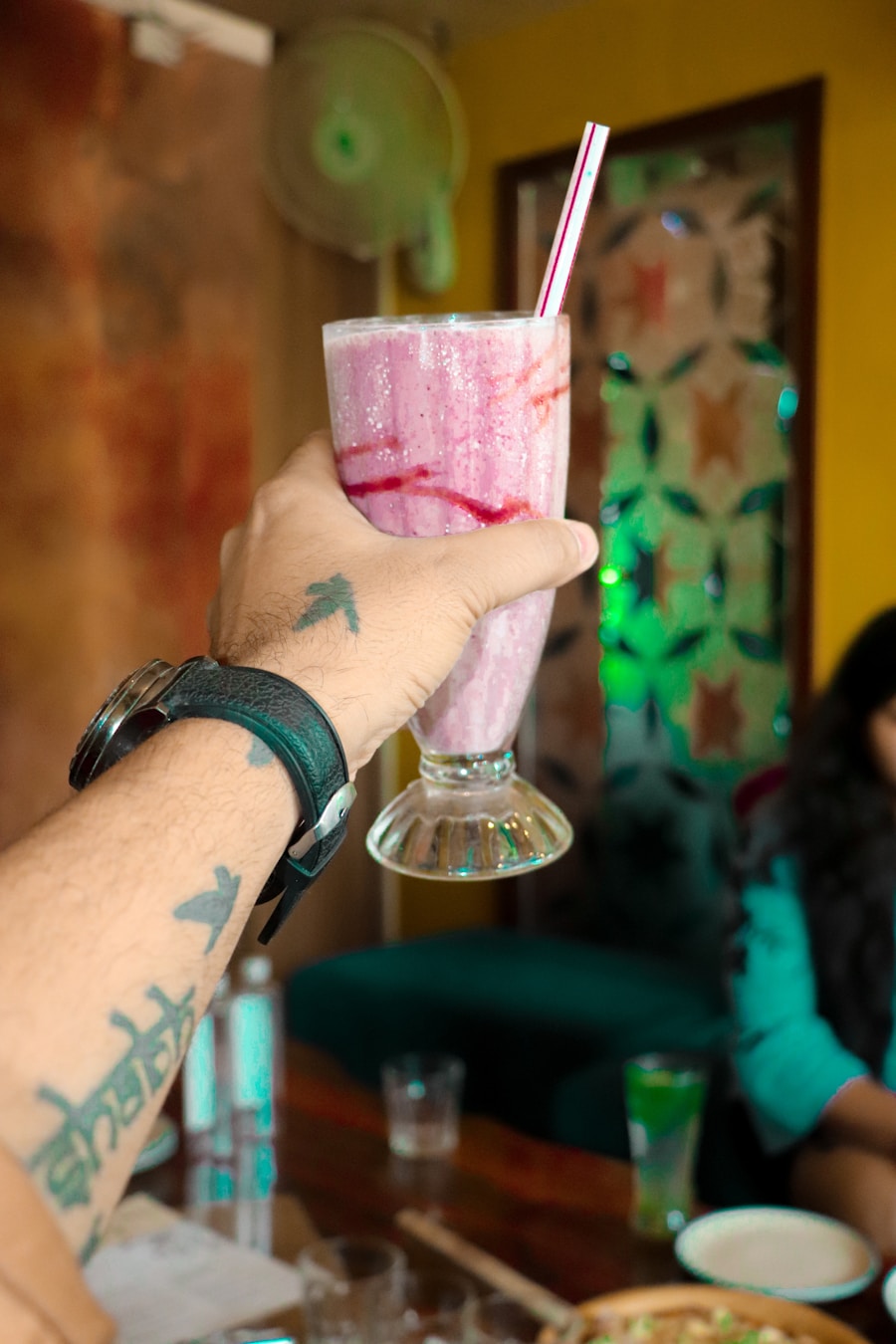
Embarking on a quest for the best falooda in India can be an exhilarating experience filled with delightful discoveries. One cannot mention falooda without highlighting Mumbai’s iconic “Bademiya,” where street vendors serve up their famous version late into the night. Here, you can savor their rich and creamy falooda topped with kulfi that has become legendary among locals.
In Delhi’s bustling streets, “Chaina Ram” in Paharganj is renowned for its unique take on falooda that features an abundance of fresh fruits alongside traditional ingredients. The vibrant colors and flavors make it a must-try for anyone visiting the capital city. Kolkata also boasts its own distinct style of falooda known as “Kolkata Falooda,” which often includes layers of sweetened condensed milk and fruit jelly.
Vendors like “Nizam’s” serve this version with flair, making it an essential stop for dessert lovers exploring this culturally rich city. For those venturing into South India, “Anand Stall” in Bangalore offers an exceptional coconut milk-based falooda that captures the essence of tropical flavors while staying true to traditional elements. Each city presents its own unique spin on this beloved dessert, making it an exciting culinary adventure for anyone eager to explore India’s diverse food landscape.
As you traverse through these cities in search of falooda, you will not only indulge in this delightful dessert but also experience the vibrant culture and warmth of Indian hospitality that accompanies every serving. Each bowl or glass tells a story—of tradition, innovation, and community—making your journey through India’s falooda offerings truly unforgettable.
If you’re a fan of unique and delicious desserts like Falooda Fantasy, you may also enjoy trying out this Chocolate Strawberry Layer Cake recipe from Flavorful Sips. This decadent cake combines the classic flavors of chocolate and strawberries in a beautiful layered dessert that is sure to impress your guests. Check out the recipe here for a sweet treat that will satisfy your cravings.
FAQs
What is Falooda?
Falooda is a popular dessert drink in India that originated from Persian roots. It is made with a combination of milk, rose syrup, vermicelli, sweet basil seeds, and sometimes ice cream.
What are the origins of Falooda?
Falooda has its origins in Persia, where it was known as “faloodeh.” It was brought to India during the Mughal period and has since become a beloved dessert drink in the country.
What are the key ingredients in Falooda?
The key ingredients in Falooda include milk, rose syrup, vermicelli (thin noodles), sweet basil seeds (sabja seeds), and sometimes ice cream. It is often garnished with nuts and fruits.
How is Falooda served?
Falooda is typically served in tall glasses, with the ingredients layered to create a visually appealing drink. It is often topped with a scoop of ice cream and garnished with nuts and fruits.
Is Falooda popular outside of India?
While Falooda is most popular in India, it has also gained popularity in other countries with large Indian communities, as well as in Persian-influenced regions. It can also be found in some Indian restaurants and dessert shops around the world.