

The origins of Indian filter coffee can be traced back to the 17th century when coffee was first introduced to India by Baba Budan, a Sufi saint who smuggled seven coffee beans from Yemen to the hills of Chikmagalur in Karnataka. This act not only marked the beginning of coffee cultivation in India but also laid the foundation for a unique coffee culture that would evolve over the centuries. The cultivation of coffee in India flourished, particularly in the southern states, where the climate and soil conditions proved to be ideal for growing Arabica and Robusta beans.
By the 19th century, coffee plantations had expanded significantly, and the beverage began to gain popularity among the local population. As coffee became more entrenched in Indian society, the method of preparation evolved. The traditional South Indian filter coffee, known as “kaapi,” emerged as a distinct style characterized by its unique brewing process.
The use of a metal filter, typically made of stainless steel, became a hallmark of this preparation method. The coffee grounds are steeped in hot water, allowing for a slow extraction of flavors, which results in a rich and aromatic brew. This method not only preserves the essential oils and flavors of the coffee but also reflects the ingenuity of Indian coffee drinkers who adapted foreign influences to create something uniquely their own.
Key Takeaways
- Indian filter coffee has a rich history dating back to the 17th century when it was introduced by Baba Budan, a Sufi saint.
- The key ingredients for Indian filter coffee are freshly ground coffee beans, chicory, and boiling water, which are brewed in a traditional metal filter.
- Indian filter coffee is known for its unique taste and aroma, characterized by its strong, bold flavor and a hint of sweetness from the added chicory.
- Indian filter coffee holds great cultural significance in South India, where it is often served in traditional tumbler and dabara sets, and is a symbol of hospitality and friendship.
- To enjoy Indian filter coffee at home, one can invest in a traditional metal filter and tumbler set, and follow the simple brewing process to savor the authentic taste of this beloved beverage.
The Ingredients and Preparation of Indian Filter Coffee
Quality Ingredients and Roasting
The primary ingredient in making filter coffee is high-quality coffee beans, often a blend of Arabica and Robusta varieties. These beans are typically roasted to a medium-dark level, which enhances their natural flavors while imparting a slight bitterness that balances well with milk and sugar.
Grinding and Brewing
Once roasted, the beans are ground to a fine powder, which is crucial for achieving the desired strength and flavor profile. The ground coffee is then placed in the upper compartment of a traditional South Indian filter, which consists of two cylindrical containers stacked on top of each other. Boiling water is poured over the coffee grounds, and the brew is allowed to drip slowly into the lower container.
The Final Result
This process can take several hours, during which time the coffee extracts its rich flavors and aromas. The resulting decoction is strong and concentrated, typically served with hot milk and sugar to taste.
The Unique Taste and Aroma of Indian Filter Coffee
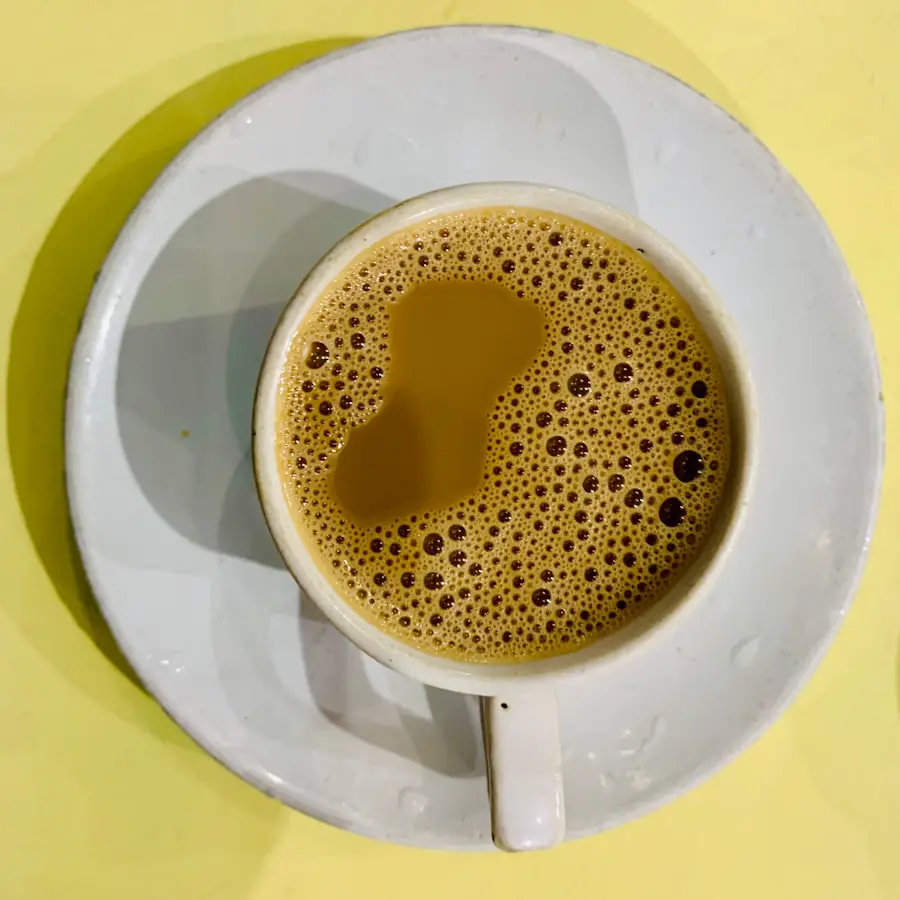
The taste and aroma of Indian filter coffee are distinctive and deeply satisfying, setting it apart from other coffee preparations around the world. The slow brewing process allows for a full extraction of flavors, resulting in a cup that is both robust and nuanced. The combination of Arabica and Robusta beans contributes to a complex flavor profile that includes notes of chocolate, caramel, and nuts, with a subtle earthiness that is characteristic of Indian coffee.
When served, Indian filter coffee is often topped with frothy milk, which adds creaminess and mellows the strong flavors of the decoction. The milk is typically heated to just below boiling point and then poured over the coffee decoction in a traditional manner that creates a delightful froth on top. This frothing process not only enhances the texture but also releases aromatic compounds that elevate the overall sensory experience.
The addition of sugar further balances the bitterness of the coffee, creating a harmonious blend that is both invigorating and comforting.
The Cultural Significance of Indian Filter Coffee in South India
In South India, filter coffee transcends mere consumption; it embodies a rich cultural heritage that reflects social customs and familial bonds. It is often served as a gesture of hospitality to guests, symbolizing warmth and welcome. In many households, the ritual of preparing and serving coffee is an integral part of daily life, fostering connections among family members and friends.
The act of sharing coffee can be seen as an opportunity for conversation and bonding, reinforcing social ties within communities. Moreover, filter coffee has found its place in various cultural contexts, from bustling street-side cafes to upscale restaurants. It is not uncommon to see people enjoying their morning cup while engaging in lively discussions or reading newspapers.
Coffee shops have become social hubs where individuals gather to unwind and connect with others. Festivals and celebrations often feature filter coffee as a staple beverage, further solidifying its role in cultural practices. In this way, Indian filter coffee serves as both a beverage and a cultural artifact that encapsulates the essence of South Indian life.
How to Enjoy Indian Filter Coffee at Home
For those looking to replicate the experience of enjoying authentic Indian filter coffee at home, several steps can be followed to ensure an enjoyable brew. First and foremost, sourcing high-quality coffee beans is essential. Many enthusiasts prefer to buy freshly roasted beans from local roasters or specialty stores that focus on Indian varieties.
Once you have your beans, roasting them at home can add an extra layer of personalization; however, pre-roasted options are also widely available. The preparation process begins with grinding the roasted beans to a fine powder using a traditional stone grinder or an electric grinder set to a coarse setting. The next step involves using a South Indian filter or any drip-style coffee maker if one is unavailable.
Place about two tablespoons of ground coffee into the upper compartment of the filter and pour boiling water over it. Allow it to steep for several hours or overnight for optimal flavor extraction. Once brewed, mix the decoction with hot milk—typically in a 1:2 ratio—and sweeten it according to your preference.
Where to Find the Best Indian Filter Coffee in South India
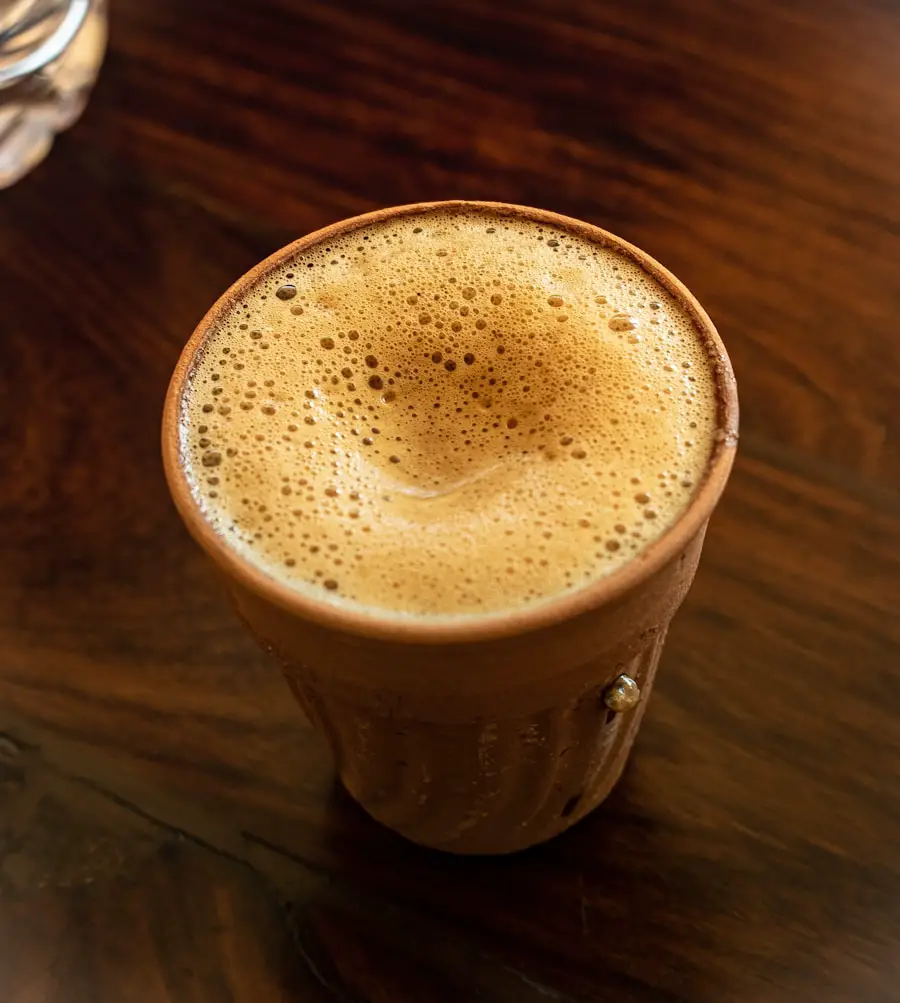
South India boasts numerous establishments renowned for their exceptional filter coffee, each offering its unique take on this beloved beverage. One iconic destination is MTR (Mavalli Tiffin Rooms) in Bangalore, which has been serving delicious filter coffee since 1924. Known for its rich flavor and perfect froth, MTR has become synonymous with authentic South Indian cuisine and culture.
Another must-visit spot is Koshy’s Restaurant in Bangalore, famous not only for its delectable food but also for its strong filter coffee that has attracted generations of patrons. In Chennai, one cannot overlook the legendary Saravana Bhavan chain, which serves filter coffee that perfectly complements its extensive menu of South Indian delicacies. Each sip at these establishments offers not just a taste but also an experience steeped in tradition.
In addition to these well-known venues, countless small roadside stalls and local cafes across South India serve some of the best filter coffee you can find.
Whether you are sitting in a bustling café or enjoying a quiet moment at home with your brew, Indian filter coffee remains an integral part of South India’s rich tapestry of flavors and traditions.
If you’re a fan of Indian Filter Coffee, you may also enjoy trying out some Jamaican Beef Patties. These savory pastries are a popular street food in Jamaica and are filled with seasoned ground beef. They pair perfectly with a hot cup of coffee for a satisfying meal. Check out the recipe for Jamaican Beef Patties here and elevate your culinary experience with a taste of the Caribbean.
FAQs
What is Indian filter coffee?
Indian filter coffee, also known as South Indian filter coffee, is a traditional coffee preparation method that originated in the southern states of India. It is made using a special metal coffee filter and typically includes a mix of dark roasted coffee beans and chicory.
How is Indian filter coffee prepared?
To prepare Indian filter coffee, coarsely ground coffee beans and chicory are placed in the upper chamber of a metal coffee filter. Hot water is then poured over the mixture, and the decoction slowly drips into the lower chamber. This decoction is then mixed with hot, frothy milk and sugar to create the final cup of Indian filter coffee.
What sets Indian filter coffee apart from other types of coffee?
Indian filter coffee is known for its strong, rich flavor and frothy texture. The use of chicory in the coffee blend gives it a unique, slightly bitter taste. Additionally, the traditional method of preparation using the metal coffee filter contributes to the distinct flavor profile of Indian filter coffee.
What are the key ingredients used in Indian filter coffee?
The key ingredients used in Indian filter coffee include dark roasted coffee beans, chicory, hot water, and milk. Some variations may also include sugar or other flavorings.
Is Indian filter coffee popular outside of India?
Indian filter coffee is primarily popular in the southern states of India, but it has gained some popularity in other parts of the country as well. Additionally, with the growing interest in global coffee culture, Indian filter coffee has started to gain recognition in other countries as a unique and flavorful coffee preparation method.