

Kombucha is a fermented beverage made from sweetened tea, typically black or green tea, that has been infused with a symbiotic culture of bacteria and yeast, commonly referred to as a SCOBY. This unique concoction undergoes a fermentation process that transforms the sugars in the tea into various organic acids, gases, and a small amount of alcohol. The result is a tangy, effervescent drink that has gained immense popularity in recent years, not only for its distinctive flavor but also for its purported health benefits.
The origins of kombucha can be traced back over 2,000 years to Northeast China, where it was revered as the “Tea of Immortality.” Historical records suggest that it was used as a medicinal tonic, believed to promote longevity and overall well-being. From China, the drink spread to Russia and then to Europe in the early 20th century.
The resurgence of interest in fermented foods and beverages has further propelled kombucha into the mainstream, making it a popular choice among health-conscious consumers.
Key Takeaways
- Kombucha is a fermented tea beverage with a history dating back thousands of years, originating in China and later spreading to other parts of the world.
- The health benefits of kombucha include improved digestion, immune support, and potential anti-inflammatory and antioxidant properties.
- Making kombucha at home involves a simple fermentation process using tea, sugar, and a SCOBY (symbiotic culture of bacteria and yeast).
- The science behind kombucha’s health benefits lies in the fermentation process, which produces probiotics, organic acids, and antioxidants.
- Potential risks and side effects of kombucha consumption include contamination, allergic reactions, and overconsumption of acids or caffeine. It’s important to incorporate kombucha into your daily routine in moderation and be mindful of any adverse reactions.
The Health Benefits of Kombucha
Kombucha is often lauded for its numerous health benefits, many of which stem from its probiotic content. Probiotics are live microorganisms that can confer health benefits when consumed in adequate amounts. The fermentation process involved in making kombucha produces a variety of beneficial bacteria that can help support gut health.
A balanced gut microbiome is essential for digestion, nutrient absorption, and immune function. Regular consumption of kombucha may help restore balance to the gut flora, potentially alleviating issues such as bloating, constipation, and irritable bowel syndrome. In addition to its probiotic properties, kombucha is rich in antioxidants, which are compounds that help combat oxidative stress in the body.
Oxidative stress occurs when there is an imbalance between free radicals and antioxidants in the body, leading to cellular damage and contributing to various chronic diseases. The tea used in kombucha is naturally high in polyphenols, which are powerful antioxidants that can help protect cells from damage. Some studies suggest that these antioxidants may also play a role in reducing inflammation and lowering the risk of chronic conditions such as heart disease and diabetes.
How to Make Kombucha at Home
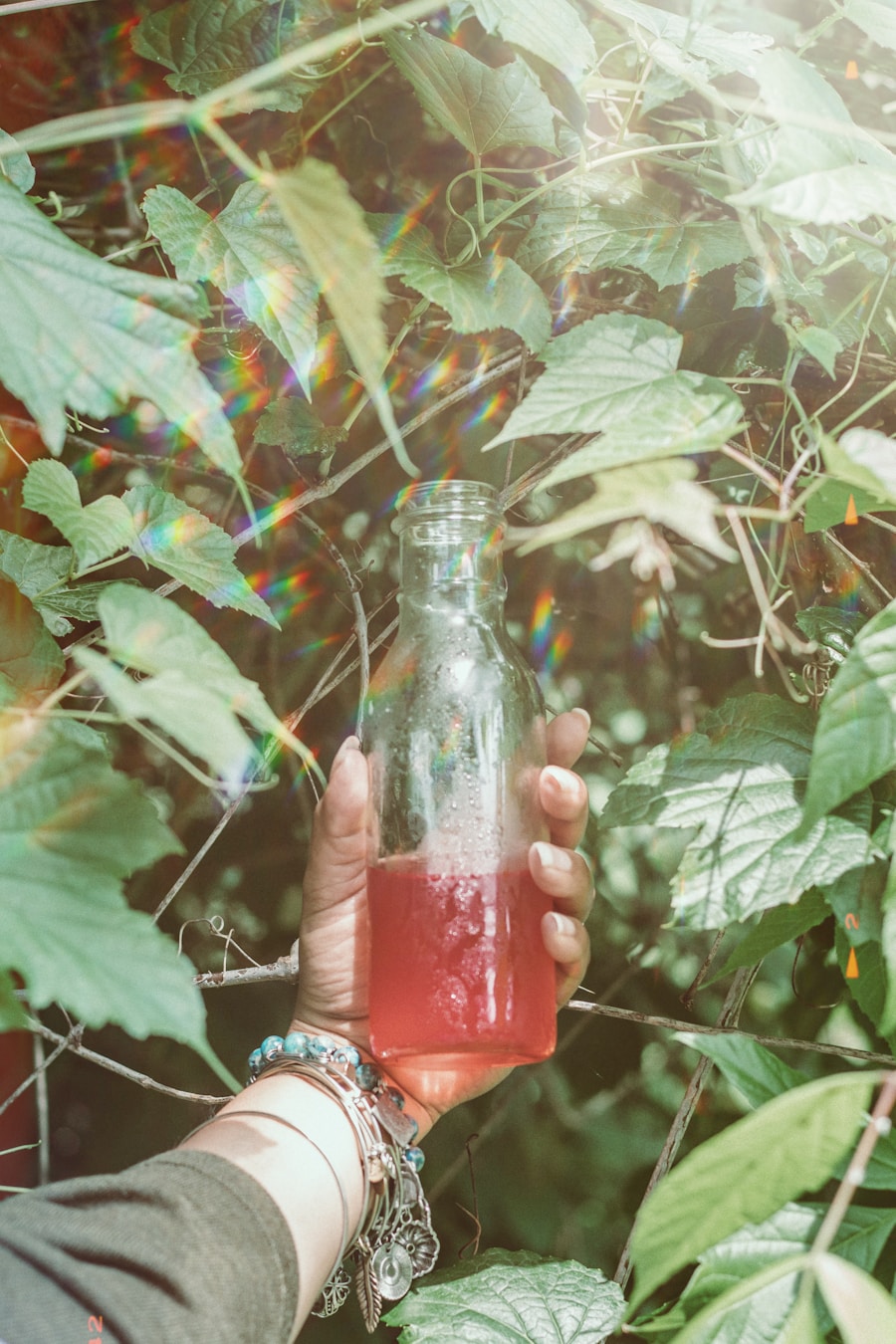
Making kombucha at home is a rewarding process that allows individuals to customize flavors and control the fermentation process. To begin, one needs a few essential ingredients: tea (black or green), sugar, water, and a SCOBY. The first step involves brewing the tea by steeping it in hot water and then dissolving sugar into the warm liquid.
Once the sweetened tea has cooled to room temperature, it is combined with the SCOBY and transferred to a clean glass jar. The fermentation process typically takes about 7 to 14 days, depending on personal taste preferences and environmental conditions. During this time, the SCOBY consumes the sugar and produces various acids and gases, resulting in a fizzy beverage.
It’s important to taste the kombucha periodically to determine when it has reached the desired level of tartness. Once fermentation is complete, the kombucha can be bottled and flavored with fruits, herbs, or spices before undergoing a secondary fermentation for additional carbonation. This home-brewing process not only allows for creativity but also fosters a deeper connection to the beverage’s origins.
The Science Behind Kombucha’s Health Benefits
| Health Benefit | Scientific Evidence |
|---|---|
| Rich in probiotics | Studies have shown that kombucha contains various strains of probiotics that can promote gut health and improve digestion. |
| Antioxidant properties | Research suggests that the antioxidants in kombucha can help protect the body from oxidative stress and reduce the risk of chronic diseases. |
| Potential for immune support | Some studies have indicated that the bioactive compounds in kombucha may have immune-boosting effects. |
| Possible anti-inflammatory effects | Lab studies have shown that certain components of kombucha may have anti-inflammatory properties, which could benefit overall health. |
The health benefits attributed to kombucha can be understood through its complex biochemical composition resulting from fermentation.
Acetic acid is one of the primary components of kombucha and is known for its antimicrobial properties.
This acid can inhibit the growth of harmful bacteria while promoting the proliferation of beneficial bacteria in the gut. Moreover, kombucha contains various bioactive compounds that contribute to its health-promoting effects. For instance, glucuronic acid, produced during fermentation, is believed to aid in detoxification by binding to toxins and facilitating their excretion from the body.
Additionally, B vitamins produced during fermentation play crucial roles in energy metabolism and overall cellular function. Research has indicated that these compounds may work synergistically to enhance metabolic health and support immune function.
Potential Risks and Side Effects of Kombucha
While kombucha is generally considered safe for most people when consumed in moderation, there are potential risks and side effects associated with its consumption. One concern is the presence of alcohol; although most commercially available kombucha contains less than 0.5% alcohol by volume (ABV), homemade versions can sometimes exceed this threshold due to uncontrolled fermentation conditions. This can pose risks for individuals who are sensitive to alcohol or those who wish to avoid it altogether.
Another potential issue is contamination during the brewing process. If proper hygiene practices are not followed, harmful bacteria or molds can develop within the SCOBY or the brewing environment. This can lead to foodborne illnesses or adverse reactions upon consumption.
Additionally, some individuals may experience digestive discomfort or allergic reactions due to the high acidity or specific ingredients used in flavored varieties of kombucha. It is advisable for those with compromised immune systems or certain health conditions to consult with a healthcare professional before incorporating kombucha into their diet.
Incorporating Kombucha into Your Daily Routine

Integrating kombucha into your daily routine can be both enjoyable and beneficial for your health. One simple way to start is by replacing sugary sodas or juices with kombucha as a refreshing beverage option. Its effervescence makes it an excellent alternative for those seeking a fizzy drink without added sugars or artificial ingredients.
Additionally, many people find that sipping on kombucha during meals aids digestion due to its probiotic content. For those who enjoy culinary experimentation, kombucha can also be used as an ingredient in various recipes. It can be incorporated into salad dressings for a tangy twist or used as a marinade for meats and vegetables.
Furthermore, some individuals have begun using kombucha as a base for cocktails or mocktails, adding fresh fruits and herbs for enhanced flavor profiles. By exploring different ways to enjoy this fermented beverage, individuals can reap its potential health benefits while indulging their taste buds in new culinary experiences.
If you’re a fan of Kombucha, you may also enjoy trying out some delicious and healthy recipes like the Crunchy Creamy Cucumber Avocado Salad from Flavorful Sips. This refreshing salad is packed with nutrients and flavor, making it a perfect pairing with your favorite fermented drink. Check out the recipe here for a tasty and nutritious meal option.
FAQs
What is Kombucha?
Kombucha is a fermented tea beverage that is made by adding a symbiotic culture of bacteria and yeast (SCOBY) to sweetened tea and allowing it to ferment.
What does Kombucha taste like?
Kombucha has a slightly sweet and tangy flavor, with a fizzy effervescence. The taste can vary depending on the flavorings added during the brewing process.
Is Kombucha alcoholic?
Kombucha can contain a small amount of alcohol as a byproduct of the fermentation process, typically less than 0.5% alcohol by volume. However, some commercial brands may have higher alcohol content, so it’s important to check the label if you are avoiding alcohol.
Is Kombucha good for you?
Kombucha is often touted for its potential health benefits, including probiotics, antioxidants, and potential immune-boosting properties. However, more research is needed to fully understand its health effects.
Can Kombucha make you sick?
Improperly brewed or contaminated Kombucha can pose a risk of foodborne illness. It’s important to brew and store Kombucha properly to reduce the risk of harmful bacteria or mold growth.
Is Kombucha safe to drink during pregnancy?
Pregnant women should exercise caution when consuming Kombucha due to its potential alcohol content and the risk of contamination. It’s best to consult with a healthcare professional before consuming Kombucha during pregnancy.