

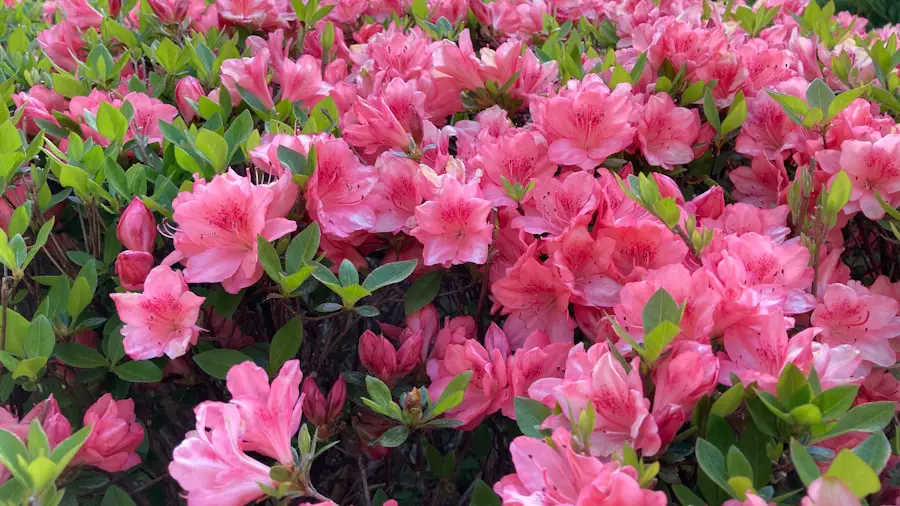
Jindallae Hwachae, a traditional Korean floral punch, has roots that intertwine with the cultural and historical tapestry of Korea. The term “Hwachae” itself translates to “flower water,” which aptly describes the drink’s essence, as it is often infused with the delicate flavors and aromas of various flowers. Jindallae, or azalea, is particularly significant in this context, as it symbolizes beauty and transience in Korean culture.
The drink is believed to have originated during the Goryeo Dynasty (918-1392), a period marked by the flourishing of arts and culture. Historical records suggest that noble families would prepare this refreshing beverage during springtime festivals, celebrating the blooming of flowers and the arrival of warmer weather. The preparation of Jindallae Hwachae was not merely a culinary endeavor; it was an art form that reflected the aesthetics of the time.
The drink was often served at banquets and gatherings, where its vibrant colors and floral notes would captivate guests. Over the centuries, Jindallae Hwachae has evolved, yet it remains a cherished symbol of Korean heritage. The drink’s association with seasonal change and nature has made it a staple during celebrations such as the Dano Festival, which honors the arrival of spring and the beauty of blooming flowers.
As Korea modernized, Jindallae Hwachae transitioned from a noble delicacy to a beloved treat enjoyed by people from all walks of life, embodying the spirit of community and shared experiences.
Key Takeaways
- Jindallae Hwachae has a rich history dating back to the Goryeo Dynasty in Korea.
- The traditional ingredients for Jindallae Hwachae include azalea petals, honey, and various fruits, all mixed together and served cold.
- Jindallae Hwachae is known for its potential health benefits, including antioxidant properties and digestive aid.
- When serving Jindallae Hwachae, it is often presented in a decorative bowl or glass to showcase its vibrant colors and floral elements.
- There are many variations of Jindallae Hwachae, with some recipes incorporating different fruits, herbs, or even adding a splash of sparkling water for a refreshing twist.
Ingredients and Preparation of Jindallae Hwachae
The ingredients that compose Jindallae Hwachae are as vibrant and diverse as its history. At its core, the drink features fresh Jindallae flowers, which are known for their subtle sweetness and fragrant aroma. These flowers are typically harvested in late spring when they are in full bloom, ensuring that their flavor is at its peak.
In addition to the flowers, other essential components include water, honey or sugar for sweetness, and sometimes additional fruits like strawberries or peaches to enhance the flavor profile. The use of honey is particularly noteworthy, as it not only sweetens the drink but also adds a layer of complexity with its natural floral notes. The preparation process for Jindallae Hwachae is relatively straightforward yet requires attention to detail to achieve the perfect balance of flavors.
First, the Jindallae flowers are carefully washed to remove any impurities. Once cleaned, they are steeped in boiling water for several minutes to extract their essence. Afterward, the infusion is cooled down before sweetening it with honey or sugar according to personal taste.
The final step involves chilling the mixture in the refrigerator until it is refreshingly cold. When ready to serve, Jindallae Hwachae is poured into glasses filled with ice, garnished with additional flower petals or fruit slices for an appealing presentation.
Health Benefits of Jindallae Hwachae
Beyond its delightful taste and aesthetic appeal, Jindallae Hwachae offers several health benefits that contribute to its popularity as a refreshing beverage. The primary ingredient, Jindallae flowers, is rich in antioxidants, which play a crucial role in combating oxidative stress in the body. Antioxidants help neutralize free radicals, potentially reducing the risk of chronic diseases such as heart disease and cancer.
Additionally, these flowers are known for their anti-inflammatory properties, which can aid in alleviating symptoms associated with various inflammatory conditions. Moreover, the use of honey as a sweetener adds another layer of health benefits to Jindallae Hwachae. Honey is renowned for its natural antibacterial and antifungal properties, making it an excellent choice for boosting the immune system. It also serves as a natural energy source due to its high carbohydrate content, providing a quick pick-me-up without the crash associated with refined sugars.
Furthermore, honey has been linked to improved digestive health and may even help soothe sore throats and coughs. When combined with the hydrating properties of water and the vitamins found in fruits like strawberries or peaches, Jindallae Hwachae becomes not just a delicious treat but also a nourishing beverage that supports overall well-being.
Serving and Presentation of Jindallae Hwachae
| Aspect | Metric |
|---|---|
| Temperature | Serve chilled at 4-6°C |
| Garnish | Top with fresh edible flowers |
| Vessel | Serve in a clear glass bowl or cup |
| Accompaniments | Provide small spoons for easy consumption |
The serving and presentation of Jindallae Hwachae are integral to its enjoyment, reflecting the drink’s cultural significance and aesthetic appeal. Traditionally served in elegant glassware, this floral punch is often accompanied by ice to enhance its refreshing qualities. The vibrant colors of the drink—ranging from pale pinks to deeper reds—create an inviting visual experience that captivates guests before they even take their first sip.
To elevate the presentation further, many people choose to garnish their Jindallae Hwachae with additional flower petals or slices of fresh fruit, adding an artistic touch that mirrors the drink’s floral origins. In Korean culture, serving Jindallae Hwachae is often accompanied by specific rituals that emphasize hospitality and communal enjoyment. It is common for hosts to pour the drink for their guests as a gesture of respect and warmth.
During gatherings or celebrations, sharing this beverage becomes a communal experience that fosters connection among participants. The act of clinking glasses while offering well-wishes enhances the social aspect of enjoying Jindallae Hwachae, making it not just a drink but a symbol of togetherness and shared joy.
Variations and Adaptations of Jindallae Hwachae
While traditional Jindallae Hwachae remains beloved for its classic flavor profile, numerous variations and adaptations have emerged over time, reflecting regional preferences and contemporary tastes. One popular adaptation involves incorporating different types of edible flowers beyond Jindallae, such as hibiscus or chrysanthemum, each bringing its unique flavor and color to the drink.
Another notable variation includes adding sparkling water or soda to create a fizzy version of Jindallae Hwachae. This effervescent twist adds a playful element to the drink, making it particularly popular at summer gatherings or festive occasions. Additionally, some modern recipes incorporate herbal infusions or flavored syrups to create unique combinations that cater to diverse palates.
For instance, a mint-infused version can provide a refreshing contrast to the floral notes, while citrusy additions like lemon or lime can brighten the overall flavor profile. These adaptations showcase how Jindallae Hwachae continues to evolve while honoring its traditional roots.
Where to Find and Enjoy Jindallae Hwachae
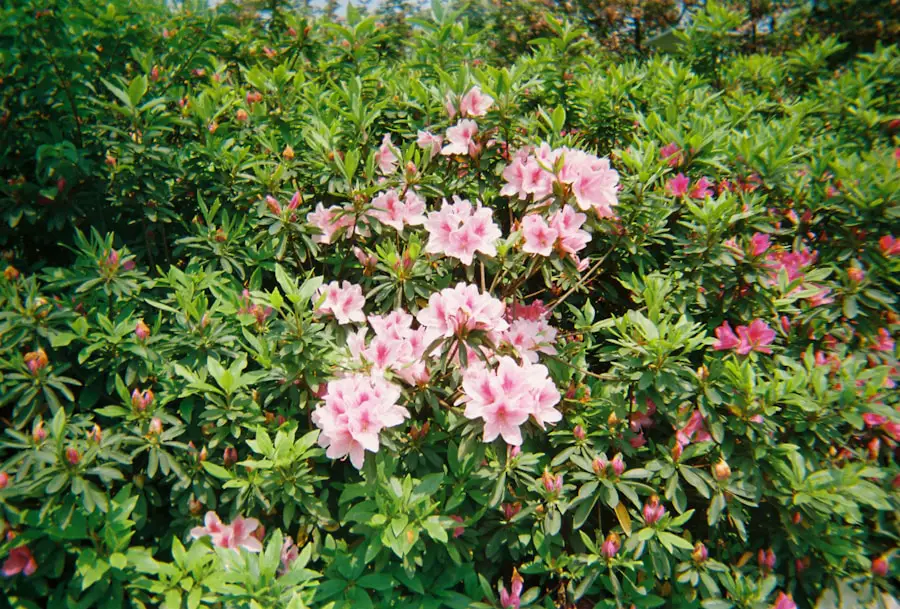
For those eager to experience Jindallae Hwachae firsthand, various avenues exist to find this delightful beverage both in Korea and beyond. In South Korea, many traditional tea houses and cafes offer Jindallae Hwachae on their menus, especially during spring when azaleas are in bloom. These establishments often pride themselves on using fresh ingredients sourced from local gardens or markets, ensuring an authentic taste that reflects the season’s bounty.
Visiting these tea houses not only provides an opportunity to savor Jindallae Hwachae but also allows patrons to immerse themselves in Korean culture through its serene ambiance and traditional decor. Outside Korea, interest in Korean cuisine has surged globally, leading to an increase in Korean restaurants and cafes that feature traditional beverages like Jindallae Hwachae. Many establishments aim to recreate authentic recipes while adapting them to local tastes.
Additionally, food festivals celebrating Korean culture often showcase this floral punch as part of their offerings, allowing attendees to sample various interpretations of the drink. For those who prefer a hands-on approach, numerous online resources provide recipes for making Jindallae Hwachae at home, enabling enthusiasts to experiment with different ingredients and variations while enjoying this refreshing beverage in their own kitchens.
If you’re a fan of Jindallae hwachae, you may also enjoy trying out this recipe for Crispy Salmon with Corn, Blackberry, and Shishito Salad. The combination of flavors in this dish is sure to tantalize your taste buds and provide a refreshing and satisfying meal. Check out the recipe here for a delicious and nutritious meal option.
FAQs
What is Jindallae hwachae?
Jindallae hwachae is a traditional Korean fruit punch made with a variety of fruits, typically including strawberries, pineapples, and other seasonal fruits. It is often served as a refreshing and sweet drink during special occasions and celebrations.
How is Jindallae hwachae made?
To make Jindallae hwachae, the fruits are cut into small pieces and mixed with sugar and water. Some recipes also call for the addition of honey or fruit syrup. The mixture is then chilled before serving.
What are the health benefits of Jindallae hwachae?
Jindallae hwachae is a healthy and refreshing drink that provides essential vitamins and minerals from the fruits used in its preparation. It is also a good source of hydration and can be a healthier alternative to sugary sodas and other beverages.
Is Jindallae hwachae served at specific events or occasions?
Jindallae hwachae is often served at special events and celebrations in Korea, such as weddings, birthdays, and holidays. It is considered a festive and celebratory drink that adds a touch of sweetness to the occasion.
Can Jindallae hwachae be customized with different fruits?
Yes, Jindallae hwachae can be customized with a variety of fruits based on personal preferences and seasonal availability. Some common fruits used in Jindallae hwachae include strawberries, pineapples, kiwi, and oranges, but other fruits can also be added for a unique flavor.