

The history of bread drink is a fascinating journey that intertwines with the evolution of human civilization. Bread, one of the oldest prepared foods, has been a staple in various cultures for thousands of years. The concept of a drink made from bread can be traced back to ancient civilizations, where resourcefulness dictated the use of available ingredients.
In Mesopotamia, for instance, the Sumerians brewed a form of beer that was made from barley and bread, showcasing an early example of how bread could be transformed into a liquid form. This early fermentation process not only provided sustenance but also played a significant role in social and religious rituals. As societies evolved, so did the methods of creating bread drinks.
In medieval Europe, particularly in regions like France and Germany, the practice of soaking stale bread in water or wine to create a nourishing beverage became common. This practice was not merely a means to avoid waste; it was also a way to create a drink that was both filling and flavorful. The introduction of spices and herbs during the Middle Ages further enhanced these concoctions, leading to variations that were enjoyed by both the peasantry and nobility.
The drink served as a bridge between solid and liquid nourishment, reflecting the culinary ingenuity of the time.
Key Takeaways
- Bread drink has a long history, dating back to ancient civilizations such as the Egyptians and Mesopotamians
- The drink is made by fermenting bread with water, creating a slightly alcoholic beverage with a unique flavor
- Bread drink is rich in probiotics and can aid in digestion and gut health
- There are various types of bread drink, including kvass in Russia and kefir in the Caucasus region
- Bread drink can be served chilled and pairs well with savory dishes, making it a popular choice in many cultures
How Bread Drink is Made
The process of making bread drink is relatively straightforward, yet it can vary significantly depending on regional traditions and personal preferences. At its core, the preparation involves soaking bread in a liquid, which can be water, milk, or even alcoholic beverages like beer or wine. The choice of bread is crucial; while any type can be used, denser varieties such as sourdough or rye often yield richer flavors.
The bread is typically torn or cut into small pieces to maximize surface area, allowing for better absorption of the liquid. Once the bread is prepared, it is combined with the chosen liquid and left to soak for a period ranging from several hours to overnight. This soaking process allows the bread to break down and infuse the liquid with its flavors.
After soaking, the mixture is often blended or mashed to achieve a smooth consistency before being strained to remove any solid remnants. The final product can be served chilled or warm, depending on personal preference.
The Health Benefits of Bread Drink
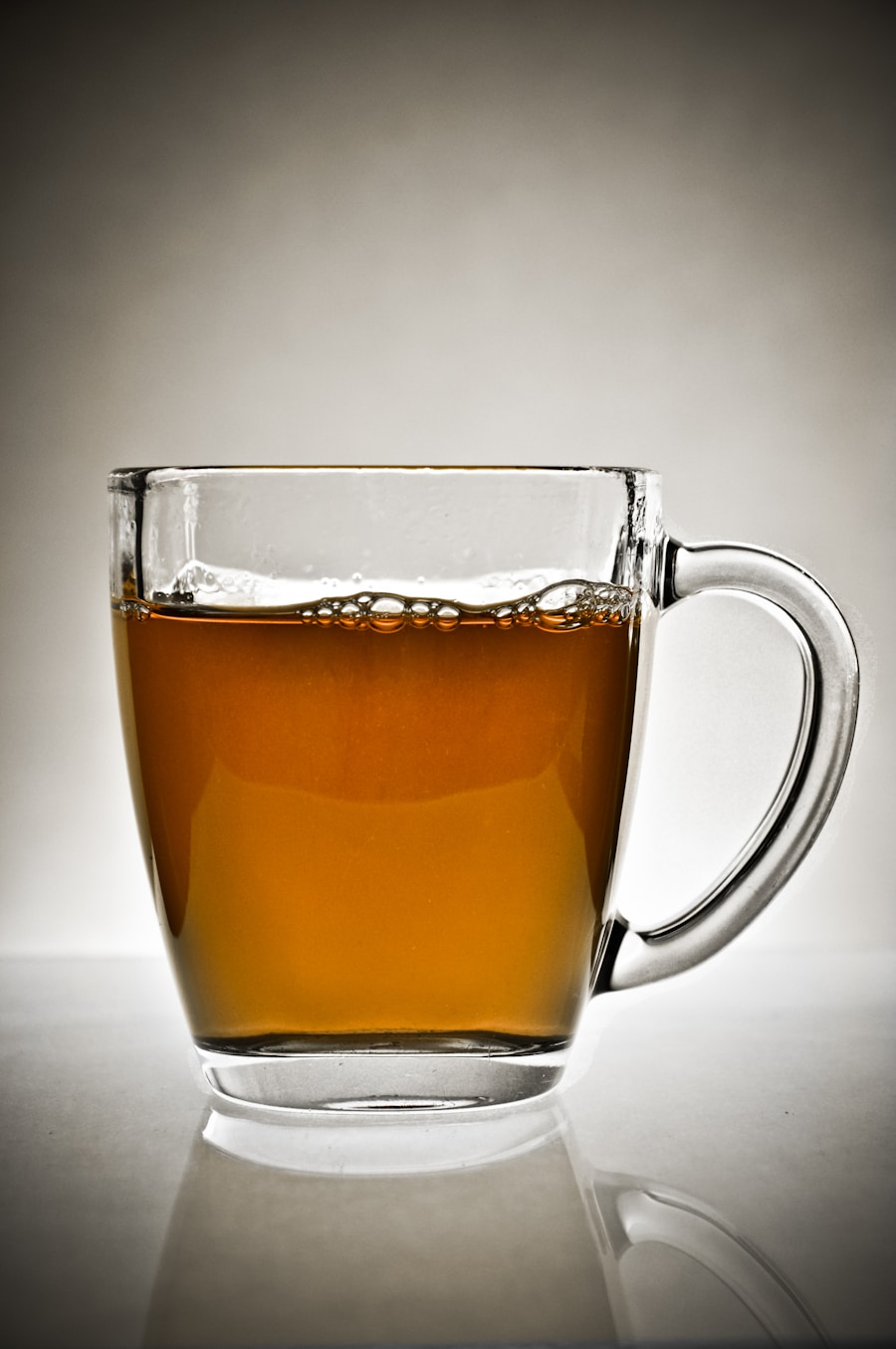
Bread drink offers several health benefits that make it an appealing choice for those seeking nutritious alternatives to traditional beverages. One of the primary advantages is its high fiber content, especially when made with whole grain breads. Fiber is essential for digestive health, helping to regulate bowel movements and prevent constipation.
Additionally, it contributes to a feeling of fullness, which can aid in weight management by reducing overall calorie intake. Moreover, bread drinks can serve as a source of essential vitamins and minerals. Depending on the type of bread used, these drinks may contain B vitamins, iron, magnesium, and zinc.
For instance, whole grain breads are rich in B vitamins that play a crucial role in energy metabolism and brain function. When combined with nutrient-dense liquids like milk or fortified plant-based alternatives, the nutritional profile of bread drink can be further enhanced. This makes it not only a satisfying beverage but also a functional one that supports overall health.
Different Varieties of Bread Drink
| Bread Drink Variety | Calories per Serving | Sugar Content (g) | Protein Content (g) |
|---|---|---|---|
| Whole Wheat Bread Drink | 120 | 5 | 6 |
| White Bread Drink | 100 | 3 | 5 |
| Multigrain Bread Drink | 110 | 4 | 5 |
The world of bread drinks is diverse, with numerous regional variations that reflect local ingredients and cultural preferences. In Italy, for example, there is a traditional drink known as “pane e vino,” which translates to “bread and wine.” This simple yet flavorful concoction involves soaking crusty bread in red wine, often accompanied by a sprinkle of sugar or spices. It is typically enjoyed during festive occasions and embodies the Italian philosophy of using simple ingredients to create something extraordinary.
In contrast, Scandinavian countries have their own take on bread drinks with “öl,” a type of beer made from bread remnants. This practice not only reduces waste but also highlights the resourcefulness inherent in these cultures. The beer is often brewed with leftover rye or barley bread, resulting in a unique flavor profile that reflects the grains used.
Similarly, in parts of Eastern Europe, “kvas” is a fermented beverage made from rye bread that has been soaked in water and sweetened with sugar or fruit. Kvas is slightly effervescent and has a tangy taste, making it a refreshing option during hot summer months.
Serving and Pairing Bread Drink
Serving bread drink can be an art form in itself, as presentation plays a significant role in enhancing the overall experience. Traditionally served in rustic mugs or bowls, these drinks can be garnished with fresh herbs or spices to elevate their visual appeal. For instance, a warm bread drink made with milk might be topped with a sprinkle of cinnamon or nutmeg before serving, adding both aroma and flavor.
Pairing bread drink with food can also enhance its enjoyment. A hearty bread drink made with rye could complement savory dishes such as stews or roasted meats, while sweeter versions might pair well with desserts like pastries or fruit tarts. In Italian cuisine, pane e vino is often enjoyed alongside cheese platters or charcuterie boards, where the richness of the wine-soaked bread balances the saltiness of cured meats and the creaminess of cheeses.
The versatility of bread drinks allows them to be integrated into various dining experiences, making them suitable for casual gatherings or more formal occasions.
The Growing Popularity of Bread Drink

In recent years, there has been a resurgence of interest in traditional foods and beverages, leading to a renewed appreciation for bread drinks across various cultures. This trend can be attributed to several factors, including an increased focus on sustainability and reducing food waste. As consumers become more conscious of their environmental impact, they are drawn to practices that utilize leftover ingredients creatively.
Bread drinks fit perfectly into this narrative by transforming stale bread into delicious beverages. Social media platforms have also played a significant role in popularizing bread drinks. Food enthusiasts and influencers share their unique recipes and experiences with these beverages, sparking curiosity among their followers.
This digital exposure has led to innovative variations that blend traditional methods with modern flavors and techniques.
As more people seek out authentic culinary experiences that connect them to their cultural roots, bread drinks are likely to continue gaining traction.
Whether enjoyed at home or in trendy establishments, these beverages represent not only nourishment but also a rich tapestry of history and tradition that resonates with today’s consumers.
If you’re looking for a delicious and refreshing drink to pair with your Bread Drink, you might want to try out this Southwestern Quinoa Salad recipe from Flavorful Sips. This salad is packed with flavor and nutrients, making it the perfect side dish to complement your meal. Check out the recipe here for a tasty and healthy addition to your Bread Drink experience.
FAQs
What is bread drink?
Bread drink, also known as kvass, is a traditional fermented beverage made from bread, water, and yeast. It is popular in Eastern European countries and has a slightly sour and tangy flavor.
How is bread drink made?
To make bread drink, pieces of bread are soaked in water and mixed with yeast and sugar. The mixture is then left to ferment for a few days, resulting in a fizzy, slightly alcoholic beverage.
What are the health benefits of bread drink?
Bread drink is rich in B vitamins and probiotics, which can support gut health and digestion. It also contains antioxidants and may have anti-inflammatory properties.
Is bread drink alcoholic?
Bread drink typically has a low alcohol content, usually less than 1%. However, the alcohol content can vary depending on the fermentation process and the length of time it is allowed to ferment.
What does bread drink taste like?
Bread drink has a slightly sour and tangy flavor, similar to a light beer or a non-alcoholic kombucha. It can also have hints of sweetness from the added sugar.
How is bread drink consumed?
Bread drink is often enjoyed cold and can be served plain or flavored with fruits or herbs. It is a popular summer beverage and is also used in cooking and baking.