

Bandung, the capital of West Java province in Indonesia, boasts a rich and multifaceted history that has shaped its identity over the centuries. Originally inhabited by the Sundanese people, the area was known for its fertile lands and strategic location. The city was established in the 19th century during the Dutch colonial period, when it was developed as a retreat for the colonial elite due to its cooler climate and picturesque landscapes.
The establishment of the railway in 1884 further accelerated its growth, transforming Bandung into a vital economic and cultural hub. The city became a melting pot of cultures, where indigenous traditions mingled with European influences, creating a unique urban tapestry. The historical significance of Bandung is also marked by its role in Indonesia’s struggle for independence.
In 1955, the city hosted the Asian-African Conference, which brought together leaders from newly independent nations to discuss solidarity and cooperation. This event not only underscored Bandung’s importance on the global stage but also solidified its reputation as a center for political discourse and cultural exchange. The legacy of this conference continues to resonate today, as Bandung is often seen as a symbol of unity among developing nations.
The city’s historical landmarks, such as the Gedung Sate and the Bandung Institute of Technology, serve as reminders of its rich past and ongoing evolution.
Key Takeaways
- Bandung has a rich history shaped by Dutch colonialism and the struggle for independence, which can be seen in its architecture and cultural landmarks.
- The art and architecture of Bandung offer a unique blend of colonial, art deco, and modernist influences, with iconic buildings and vibrant street art to explore.
- Bandung’s culinary scene is a creative fusion of traditional Sundanese flavors, international influences, and modern gastronomic trends, making it a paradise for food enthusiasts.
- The city’s music and performing arts culture is alive with a diverse range of traditional and contemporary performances, from angklung orchestras to indie music scenes.
- Bandung is a hub for local craftsmanship and handicrafts, with traditional textile weaving, pottery, and wood carving being celebrated through artisan workshops and markets.
- The contemporary art and design scene in Bandung is thriving, with galleries, design studios, and creative spaces showcasing the city’s innovative and experimental artistic expressions.
Exploring the Art and Architecture of Bandung
Colonial-Era Buildings and Traditional Structures
The colonial-era buildings, characterized by their Dutch architectural influences, stand alongside traditional Sundanese structures, creating a visually striking urban landscape. One notable example is the Gedung Sate, an iconic government building completed in 1920, which features a blend of neoclassical and indigenous architectural elements.
Contemporary Art Scene
In addition to historical architecture, Bandung is home to a thriving contemporary art scene that showcases the creativity of local artists. Galleries such as Selasar Sunaryo Art Space and NuArt Sculpture Park provide platforms for both established and emerging artists to exhibit their work. These spaces often host exhibitions that explore themes relevant to Indonesian society, such as identity, environmental issues, and cultural heritage.
Street Art and Dynamic Dialogue
The juxtaposition of traditional and modern art forms in Bandung creates a dynamic dialogue that enriches the cultural landscape of the city. Street art has also gained prominence in recent years, with vibrant murals adorning walls throughout the city, reflecting the voices and aspirations of its residents.
The Creative Culinary Scene in Bandung
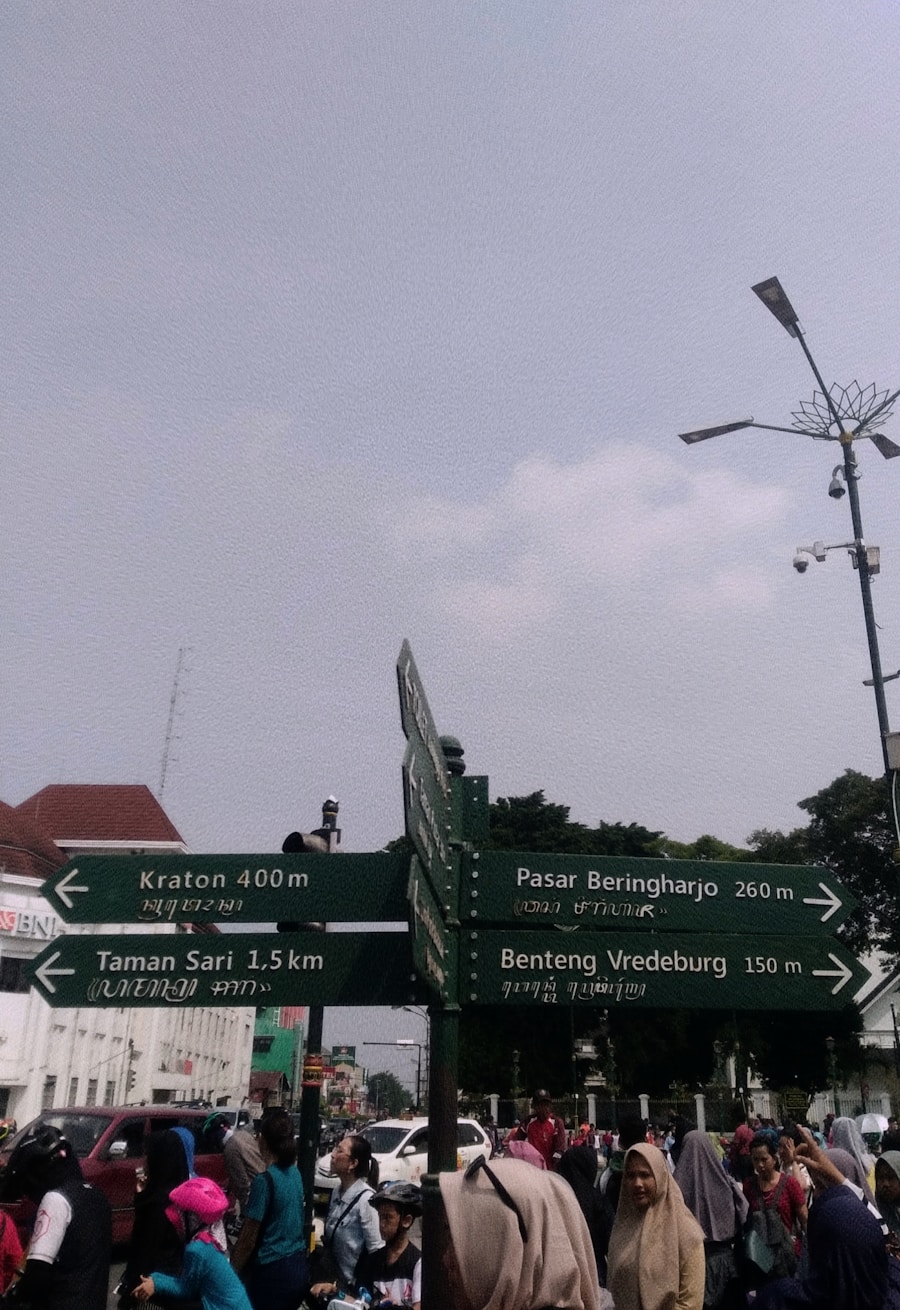
Bandung’s culinary scene is a vibrant tapestry woven from diverse influences, showcasing both traditional Sundanese flavors and modern gastronomic innovations. The city is renowned for its street food culture, where vendors serve up an array of delectable dishes that tantalize the taste buds. One cannot visit Bandung without indulging in local specialties such as batagor (fried fish dumplings served with peanut sauce) and siomay (steamed dumplings).
These dishes are not only delicious but also represent the communal spirit of dining in Indonesia, where food is often shared among friends and family. In recent years, Bandung has also emerged as a hub for contemporary dining experiences. Cafés and restaurants have sprung up across the city, offering innovative twists on traditional recipes while incorporating international flavors. Establishments like Warung Salse and Maja House have gained popularity for their unique atmospheres and creative menus that highlight local ingredients.
The city’s culinary landscape is further enriched by its coffee culture; Bandung is home to numerous artisanal coffee shops that celebrate Indonesia’s rich coffee heritage. These establishments often source beans from local farmers, ensuring that each cup tells a story of its origin while providing a platform for sustainable practices.
Bandung’s Vibrant Music and Performing Arts Culture
| Metrics | Data |
|---|---|
| Number of Music Venues | Over 100 music venues in Bandung |
| Number of Performing Arts Centers | 15 major performing arts centers in Bandung |
| Annual Music Festivals | Bandung hosts 10 music festivals annually |
| Number of Local Bands | Over 500 active local bands in Bandung |
| Attendance at Music Events | Over 1 million attendees at music events per year |
The music and performing arts scene in Bandung is as diverse as its population, encompassing a wide range of genres and styles that reflect both local traditions and global influences. Traditional Sundanese music, characterized by instruments such as the angklung and gamelan, continues to thrive in the city, with performances often held at cultural festivals and community events. These musical traditions are not merely relics of the past; they are actively preserved and celebrated by younger generations who recognize their cultural significance.
In addition to traditional music, Bandung has become a breeding ground for contemporary genres such as indie rock, pop, and electronic music. The city’s vibrant nightlife scene features numerous live music venues where local bands and artists perform regularly. Events like the Bandung Music Festival attract both local talent and international acts, fostering a sense of community among music lovers.
Moreover, performing arts such as theater and dance are integral to Bandung’s cultural fabric. The city’s theaters host a variety of performances ranging from traditional dance recitals to modern theatrical productions, showcasing the talents of local artists while addressing contemporary social issues through their art.
Discovering the Local Craftsmanship and Handicrafts of Bandung
The craftsmanship and handicrafts of Bandung are deeply rooted in the region’s cultural heritage, reflecting the skills and creativity of local artisans. Traditional crafts such as batik, weaving, and pottery are not only significant for their aesthetic value but also for their cultural symbolism.
In Bandung, artisans continue to produce intricate batik designs that tell stories through their patterns and colors. Visiting local markets such as Pasar Baru or Cihampelas Walk provides an opportunity to explore these handicrafts firsthand. Here, visitors can find an array of handmade products ranging from textiles to wooden crafts.
Many artisans are eager to share their techniques and stories behind their creations, fostering a deeper appreciation for their work. Workshops are also available for those interested in learning traditional crafts; these experiences not only support local artisans but also promote cultural exchange between visitors and residents. The emphasis on sustainability within these crafts further highlights Bandung’s commitment to preserving its cultural heritage while adapting to modern sensibilities.
Exploring Bandung’s Contemporary Art and Design Scene
Artistic Expression and Social Issues
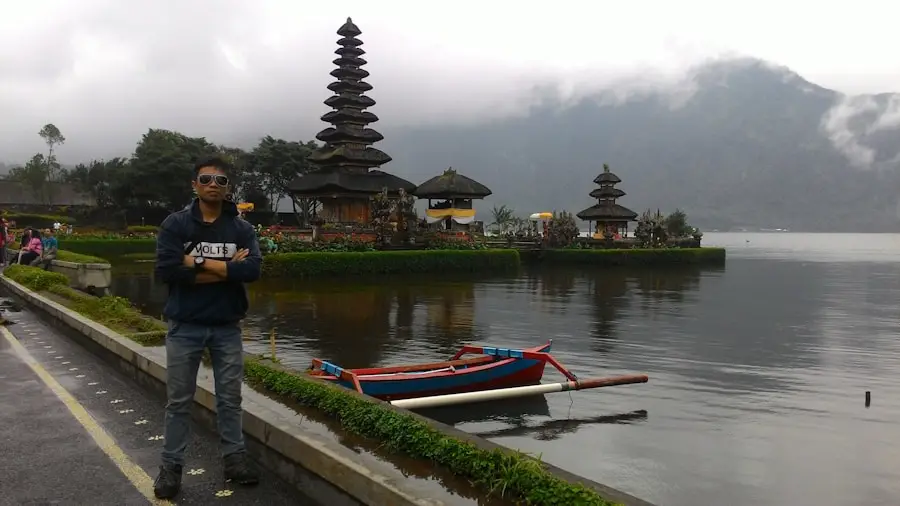
One notable aspect of Bandung’s contemporary art scene is its focus on social issues and community engagement. Many artists use their work to address pressing topics such as environmental sustainability, urbanization, and social justice. Exhibitions often take place in unconventional spaces—abandoned buildings or public parks—inviting audiences to engage with art in new ways.
Design and Innovation
Events like Art Jogja or Bandung Design Festival showcase innovative works that push the envelope of artistic expression while encouraging dialogue among participants. Moreover, design plays a crucial role in shaping Bandung’s contemporary identity. The city is home to several design schools that nurture young talent in fields such as graphic design, product design, and architecture. Collaborative projects between students and established designers often result in groundbreaking work that reflects both local culture and global trends.
Each facet contributes to an ever-evolving narrative that celebrates both tradition and modernity, making it a captivating destination for those seeking to explore Indonesia’s cultural richness.
Bandung, a city in Indonesia known for its rich history and vibrant culture, is also famous for its delicious cuisine. One article that explores the culinary delights of Bandung is this one which features a recipe for peanut-studded milk chocolate brownies. These decadent treats are sure to satisfy any sweet tooth and are a perfect example of the diverse and flavorful dishes that can be found in Bandung.
FAQs
What is Bandung?
Bandung is the capital of West Java province in Indonesia. It is the third largest city in Indonesia and is known for its cool climate, colonial architecture, and vibrant art and culinary scene.
What are the main attractions in Bandung?
Some of the main attractions in Bandung include the Tangkuban Perahu volcano, the Trans Studio Bandung theme park, the Gedung Sate government building, and the Braga Street shopping and dining area.
What is the climate like in Bandung?
Bandung has a tropical rainforest climate with relatively consistent temperatures throughout the year. The city is known for its cooler climate compared to other parts of Indonesia.
What is the history of Bandung?
Bandung was originally a market town and became an important center for the Dutch colonial administration in the 19th century. It played a significant role in the Indonesian independence movement and has since grown into a major urban center.
What is Bandung known for?
Bandung is known for its rich cultural heritage, including traditional Sundanese music and dance, as well as its thriving creative and culinary scenes. The city is also known for its beautiful natural landscapes and historical architecture.