

Low-carb salads are a fantastic way to enjoy a nutritious meal while keeping your carbohydrate intake in check. They’re not just a side dish; they can be the star of your meal, packed with flavors and textures that satisfy your hunger without the carbs. Whether you’re following a ketogenic diet, managing your blood sugar, or simply looking to eat healthier, incorporating low-carb salads into your routine can be both enjoyable and beneficial.
These salads can be incredibly versatile, allowing you to mix and match ingredients based on your preferences and what’s in season.
From leafy greens to protein-rich toppings, the possibilities are endless.
In this article, we’ll explore the benefits of low-carb salads, essential ingredients, and some easy recipes to get you started.
For those looking to complement their healthy salad recipes for low-carb meals, it’s essential to consider the overall health of your lifestyle, including the products you use on your skin. A related article that delves into this topic is “Checking Your Beauty Routine for Toxic Ingredients,” which explores how certain beauty products can impact your well-being. You can read more about it here: Checking Your Beauty Routine for Toxic Ingredients. This article provides valuable insights that can help you make informed choices about both your diet and personal care.
Key Takeaways
- Low-carb salads are a nutritious and versatile option for those looking to reduce carbohydrate intake.
- Incorporating salads into a low-carb diet can enhance weight loss, improve digestion, and increase nutrient intake.
- Essential ingredients for low-carb salads include fresh greens, low-carb vegetables, and protein sources.
- Adding protein-packed ingredients like chicken, tofu, or nuts can significantly boost the nutritional value of salads.
- Homemade dressings and proper meal prep techniques can elevate the flavor and convenience of low-carb salads.
Benefits of Incorporating Salads into a Low-Carb Diet
One of the primary benefits of adding salads to a low-carb diet is their ability to provide essential nutrients without the extra carbohydrates. Salads are typically rich in vitamins, minerals, and antioxidants, which can help support overall health. By focusing on low-carb vegetables, you can fill your plate with fiber-rich foods that promote digestion and keep you feeling full longer.
Another advantage is the sheer variety of flavors and textures you can create. With a wide range of greens, vegetables, proteins, and dressings available, you can easily avoid monotony in your meals. This variety not only keeps your taste buds happy but also ensures that you’re getting a diverse array of nutrients. Plus, salads are quick to prepare, making them an ideal choice for busy lifestyles.
Essential Ingredients for Low-Carb Salad Recipes
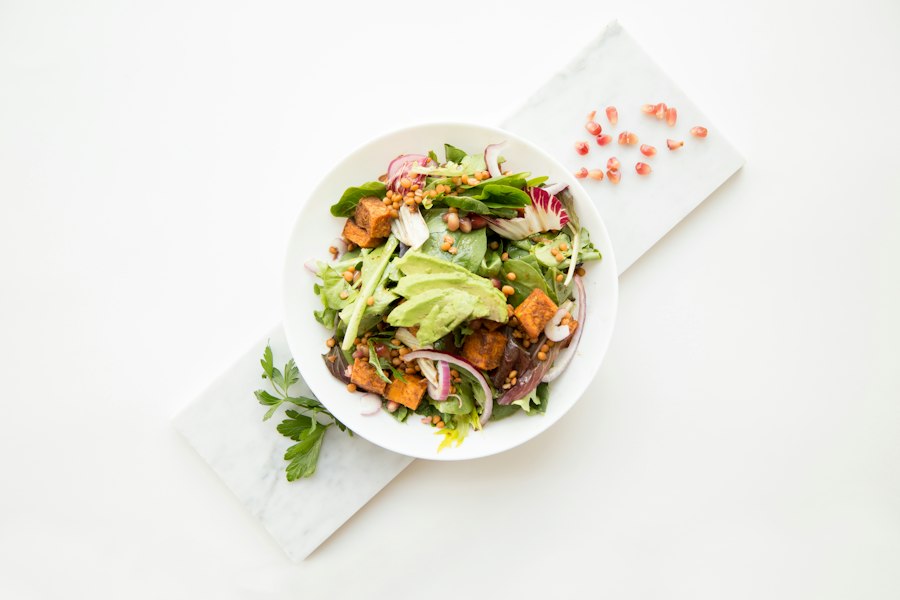
When crafting a low-carb salad, it’s important to choose ingredients that align with your dietary goals. Start with a base of fresh greens like spinach, kale, or romaine lettuce. These leafy greens are low in carbohydrates and high in fiber, making them an excellent foundation for any salad.
Next, consider adding a variety of colorful vegetables. Bell peppers, cucumbers, radishes, and cherry tomatoes can add crunch and flavor without significantly increasing the carb count. Don’t forget about healthy fats; avocados and olives not only enhance the taste but also provide essential fatty acids that are beneficial for heart health.
Fresh Greens and Vegetables Perfect for Low-Carb Salads
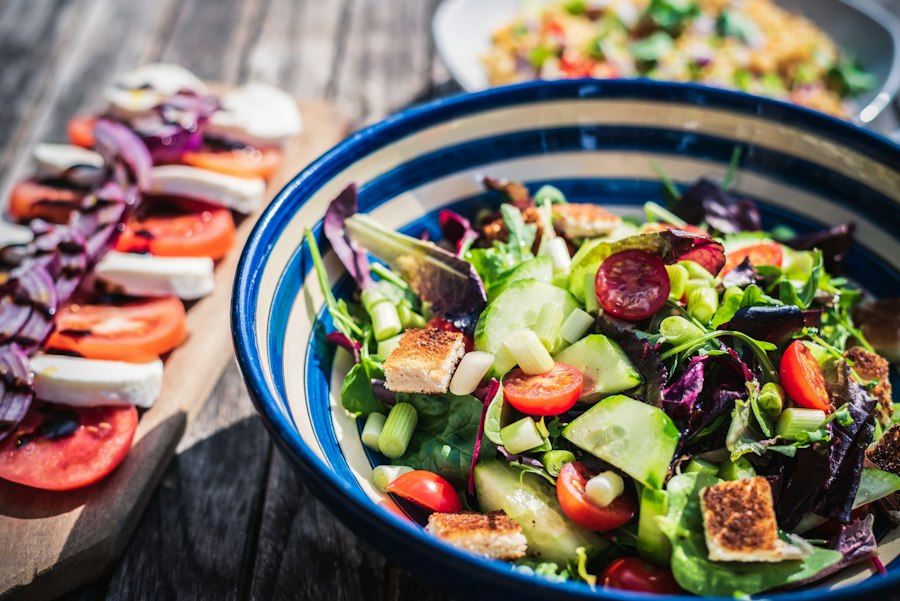
When it comes to fresh greens, there are plenty of options that fit perfectly into a low-carb lifestyle. Spinach is a nutrient powerhouse, loaded with vitamins A and C, iron, and calcium. It has a mild flavor that pairs well with various dressings and toppings. Kale is another great choice; it’s hearty and can stand up to robust flavors while providing a good dose of fiber.
For vegetables, think about incorporating options like zucchini or asparagus. Both are low in carbs and can be enjoyed raw or lightly cooked. Cauliflower is another versatile vegetable that can be used in salads; it can be riced or chopped into florets for added texture. The key is to choose vegetables that you enjoy and that complement each other well.
If you’re looking to complement your healthy salad recipes for low-carb meals, you might find inspiration in a delightful article about fudgy brownies that are both delicious and nutritious. These brownies can be a great way to satisfy your sweet tooth while still adhering to a healthier lifestyle. Check out the recipe for these indulgent treats here and discover how you can enjoy dessert without compromising your dietary goals.
Protein-Packed Additions to Boost Nutritional Value
| Recipe Name | Calories | Net Carbs (g) | Protein (g) | Fat (g) | Key Ingredients | Preparation Time (mins) |
|---|---|---|---|---|---|---|
| Avocado Chicken Salad | 350 | 6 | 30 | 20 | Chicken, Avocado, Spinach, Olive Oil | 15 |
| Greek Salad with Feta | 280 | 7 | 10 | 22 | Cucumber, Tomato, Feta Cheese, Olives | 10 |
| Cauliflower Tabbouleh | 200 | 5 | 6 | 12 | Cauliflower, Parsley, Lemon, Olive Oil | 20 |
| Spinach and Bacon Salad | 320 | 4 | 25 | 18 | Spinach, Bacon, Eggs, Avocado | 15 |
| Zucchini Noodle Salad | 250 | 6 | 8 | 15 | Zucchini, Cherry Tomatoes, Pesto, Parmesan | 12 |
To make your low-carb salad more filling and nutritionally balanced, consider adding protein sources. Grilled chicken or turkey breast is a classic choice that adds lean protein without many carbs. If you prefer seafood, shrimp or salmon can bring a delightful flavor while providing omega-3 fatty acids.
For those looking for vegetarian options, beans and legumes can be included in moderation, though they do contain some carbs. Tofu or tempeh are excellent plant-based proteins that can be marinated and grilled for added flavor. Nuts and seeds also make great additions; they provide healthy fats and protein while adding crunch to your salad.
If you’re looking to complement your healthy salad recipes for low-carb meals, consider exploring some delicious protein options that can enhance your dining experience. One such option is the flavorful pistachio mint spice-crusted lamb chops, which not only provide a rich source of protein but also pair wonderfully with fresh salads. You can find the recipe for these delectable lamb chops in this article, making it easy to create a balanced and satisfying meal.
Delicious Low-Carb Salad Dressings and Toppings
A salad isn’t complete without a tasty dressing to tie everything together. Fortunately, there are plenty of low-carb dressing options available. Olive oil and vinegar make for a simple yet flavorful dressing; just whisk together some olive oil with balsamic vinegar or lemon juice for a refreshing taste.
Creamy dressings can also be made using Greek yogurt or avocado as a base. These options are lower in carbs than traditional creamy dressings while still providing that rich texture we all love. Don’t forget about toppings like cheese or nuts; shredded cheese adds flavor and creaminess while nuts contribute crunch and healthy fats.
Easy-to-Make Low-Carb Salad Recipes for Every Meal
Creating low-carb salads doesn’t have to be complicated. Here are a couple of easy recipes to inspire you:
1. **Grilled Chicken Caesar Salad**: Start with romaine lettuce as your base. Top it with grilled chicken slices, parmesan cheese, and homemade Caesar dressing made from olive oil, lemon juice, garlic, and anchovies if you like them. Toss everything together for a satisfying meal.
2. **Mediterranean Chickpea Salad**: Combine chopped cucumbers, bell peppers, red onion, and cherry tomatoes in a bowl. Add canned chickpeas (in moderation) for protein and toss with olive oil, lemon juice, oregano, salt, and pepper. This salad is refreshing and perfect for lunch.
These recipes are just starting points; feel free to mix and match ingredients based on what you have on hand or what you enjoy most.
Tips for Meal Prep and Storing Low-Carb Salads
Meal prepping your salads can save time during busy weeks while ensuring you stick to your low-carb goals. Start by washing and chopping your greens and vegetables ahead of time. Store them in airtight containers in the fridge to keep them fresh.
When it comes to dressing, it’s best to keep it separate until you’re ready to eat. This prevents the salad from becoming soggy. You can also prepare protein sources like grilled chicken or boiled eggs in advance to add when you’re ready to enjoy your meal.
If you find yourself with leftover salad, store it in an airtight container but be mindful that some ingredients may wilt over time. Generally, salads are best enjoyed fresh but can last a day or two if stored properly.
In conclusion, low-carb salads offer a delicious way to enjoy nutritious meals while keeping carbohydrates at bay. With the right ingredients and a bit of creativity, you can create satisfying salads that fit perfectly into your dietary lifestyle. Whether you’re looking for something quick for lunch or a hearty dinner option, these salads can easily adapt to meet your needs while keeping things interesting on your plate.
FAQs
What are low-carb salads?
Low-carb salads are salads that contain a reduced amount of carbohydrates, typically focusing on non-starchy vegetables, healthy fats, and protein sources. These salads often substitute high-carb ingredients like grains, beans, or starchy vegetables with leafy greens, avocados, nuts, seeds, and lean meats or fish.
What ingredients are commonly used in healthy low-carb salads?
Common ingredients in healthy low-carb salads include leafy greens (such as spinach, kale, and romaine), cucumbers, bell peppers, avocados, olives, nuts, seeds, cheese, and protein sources like grilled chicken, shrimp, or tofu. Dressings made from olive oil, vinegar, and herbs are also popular for flavor without adding significant carbs.
Can low-carb salads be filling?
Yes, low-carb salads can be very filling, especially when they include a good balance of protein, healthy fats, and fiber. Ingredients like avocados, nuts, and protein-rich toppings can help increase satiety, making them satisfying meal options.
Are low-carb salads suitable for weight loss?
Low-carb salads can be suitable for weight loss as they are typically lower in calories and carbohydrates, which can help reduce overall caloric intake. Additionally, the high fiber content from vegetables can promote feelings of fullness, aiding in weight management.
How can I make my low-carb salad more flavorful?
You can enhance the flavor of your low-carb salad by using a variety of fresh herbs, spices, and homemade dressings. Adding ingredients like feta cheese, olives, or roasted nuts can also provide additional taste and texture. Experimenting with different combinations of vegetables and proteins can keep your salads interesting and delicious.