

Greek salad, or “Horiatiki,” is a vibrant and refreshing dish that embodies the essence of Mediterranean cuisine. It’s a simple yet flavorful combination of fresh vegetables, olives, and feta cheese, often enjoyed as a side dish or a light meal. The beauty of Greek salad lies in its straightforward preparation and the quality of its ingredients. Whether you’re enjoying it on a sunny patio or as part of a cozy dinner at home, this salad brings a taste of Greece to your table.
What makes Greek salad particularly appealing is its versatility. You can serve it as an appetizer, a side dish, or even as a main course by adding protein like grilled chicken or chickpeas. With its colorful presentation and robust flavors, it’s no wonder that Greek salad has become a favorite worldwide. Let’s dive into what makes this dish so special and how you can create an authentic version right in your kitchen.
If you’re looking to complement your Easy Greek Salad with Feta Cheese, consider trying a delicious Jamaican Jerk Chicken recipe that pairs wonderfully with fresh salads. The vibrant flavors of the jerk seasoning and the sweetness of the pineapple rum sauce create a delightful contrast to the crispness of the salad. You can find the recipe for this mouthwatering dish in this related article.
Key Takeaways
- Greek salad is a refreshing dish that highlights fresh vegetables and feta cheese.
- Essential ingredients include tomatoes, cucumbers, red onions, olives, and feta cheese.
- Properly prepare vegetables by washing, peeling, and cutting them into bite-sized pieces.
- Choose high-quality feta cheese for the best flavor and texture in your salad.
- Customize your salad with variations and add-ins like bell peppers, herbs, or grains for extra flavor.
Essential Ingredients for an Authentic Greek Salad
To create an authentic Greek salad, you need to focus on fresh, high-quality ingredients. The foundation of this dish includes ripe tomatoes, crisp cucumbers, red onions, green bell peppers, Kalamata olives, and, of course, feta cheese. Each ingredient contributes to the overall flavor and texture, making it essential to choose the best you can find.
Tomatoes should be juicy and flavorful; vine-ripened varieties are often the best choice. Cucumbers add a refreshing crunch, so opt for English cucumbers or any variety that’s firm and crisp. Red onions provide a mild sweetness that balances the acidity of the tomatoes, while green bell peppers add a slight bitterness that complements the other flavors. Kalamata olives bring a briny richness that ties everything together, and feta cheese adds creaminess and tang. When combined, these ingredients create a harmonious blend that is quintessentially Greek.
Preparing Fresh Vegetables for the Salad

Once you have your ingredients ready, it’s time to prepare the vegetables. Start by washing everything thoroughly under cold water to remove any dirt or pesticides. For tomatoes, cut them into wedges or large chunks; this allows their juices to mingle with the other ingredients. If you prefer a less watery salad, you can remove some of the seeds before chopping.
Next, slice the cucumbers into half-moons or rounds, depending on your preference. If you’re using English cucumbers, there’s no need to peel them; their skin adds color and nutrients. For red onions, thinly slice them to ensure they distribute evenly throughout the salad without overpowering any single bite. Finally, chop the green bell peppers into bite-sized pieces. The goal is to create uniform pieces that will mix well together while still showcasing each vegetable’s unique flavor.
Choosing the Perfect Feta Cheese
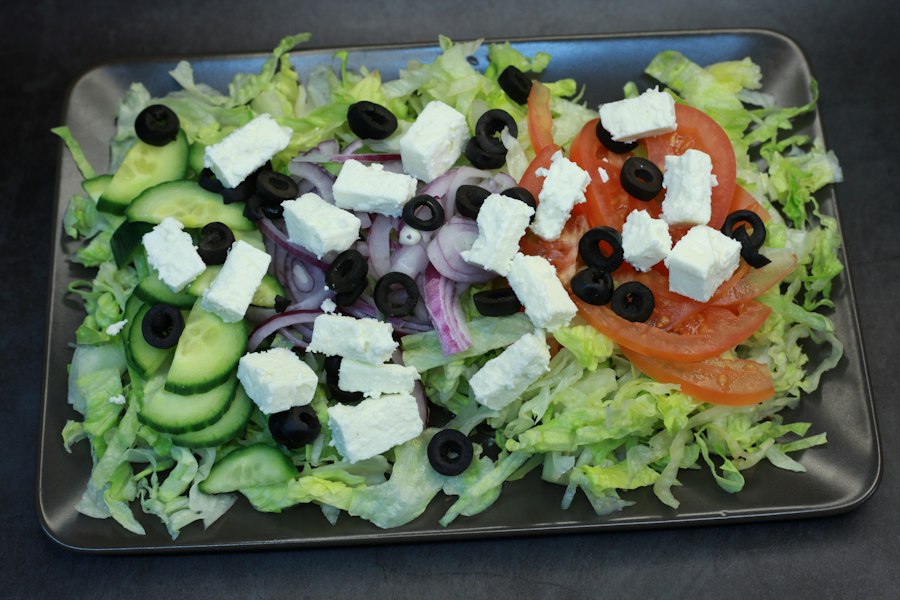
Feta cheese is a crucial component of Greek salad, and selecting the right type can elevate your dish significantly. Authentic Greek feta is made from sheep’s milk or a mixture of sheep’s and goat’s milk, giving it a distinct flavor and creamy texture. When shopping for feta, look for cheese that comes in brine; this helps preserve its moisture and enhances its taste.
If you can find it, opt for imported Greek feta rather than domestic varieties. The flavor profile of authentic feta is sharper and saltier than many substitutes, which can make a noticeable difference in your salad. Crumbled feta is common in salads, but you might also consider using large blocks of feta that you can crumble yourself; this often results in a fresher taste and better texture. Remember to taste your feta before adding it to the salad; if it’s too salty, you might want to adjust the amount you use in your dish.
If you’re looking to complement your Easy Greek Salad with Feta Cheese, consider trying a delicious whole roasted fish with rosemary potatoes.
This dish not only pairs beautifully with the fresh flavors of the salad but also brings a delightful Mediterranean touch to your meal.
For a detailed recipe, check out this article on whole roasted fish with rosemary potatoes, which offers a simple yet flavorful way to elevate your dining experience.
Making the Classic Greek Salad Dressing
| Metric | Value | Unit | Notes |
|---|---|---|---|
| Preparation Time | 10 | minutes | Time to chop and assemble ingredients |
| Cooking Time | 0 | minutes | No cooking required |
| Total Time | 10 | minutes | Preparation + Cooking |
| Servings | 4 | people | Typical serving size |
| Calories per Serving | 180 | kcal | Approximate value |
| Protein | 5 | grams | From feta cheese and vegetables |
| Fat | 14 | grams | Mostly from olive oil and feta cheese |
| Carbohydrates | 6 | grams | From vegetables |
| Fiber | 2 | grams | Dietary fiber from vegetables |
| Sodium | 400 | mg | Primarily from feta cheese |
The dressing for Greek salad is simple yet flavorful, allowing the fresh ingredients to shine through without overwhelming them. A classic dressing typically consists of extra virgin olive oil, red wine vinegar, dried oregano, salt, and pepper. The quality of your olive oil is essential; choose one that’s robust and fruity for the best flavor.
To make the dressing, start by whisking together three parts olive oil to one part red wine vinegar in a small bowl or jar. Add a teaspoon of dried oregano along with salt and pepper to taste. Whisk until well combined; if you prefer a creamier dressing, you can add a teaspoon of Dijon mustard for extra depth. Allow the dressing to sit for at least 10 minutes before using it; this resting time helps the flavors meld together beautifully.
If you’re looking to complement your Easy Greek Salad with Feta Cheese, you might find inspiration in a related article that discusses the importance of giving back during the holiday season. This piece highlights how sharing meals can strengthen bonds with friends and family, making gatherings even more meaningful. To explore this topic further, check out the article on Friendsgiving and giving back this year.
Step-by-Step Assembly of the Salad
Now that you have all your components ready—fresh vegetables, feta cheese, and dressing—it’s time to assemble your Greek salad. Start by placing your chopped tomatoes in a large mixing bowl as they will serve as the base for the other ingredients. Next, add the cucumbers followed by the red onions and green bell peppers. Toss these ingredients gently to combine them without bruising the vegetables.
Once your vegetables are mixed well, add in the Kalamata olives and crumbled feta cheese on top. Drizzle your prepared dressing over the salad and toss everything together gently until all ingredients are coated evenly with the dressing. Be careful not to break up the feta too much; you want those lovely chunks to remain intact for texture and presentation.
Tips for Serving and Presentation
Presentation can elevate your Greek salad from simple to stunning. Consider serving it in a large bowl or on a platter for family-style dining; this encourages sharing and adds a communal feel to your meal. For individual servings, use clear glass bowls to showcase the vibrant colors of the vegetables.
Garnishing your salad can also enhance its visual appeal. A sprinkle of fresh oregano or parsley on top adds a pop of color and freshness. If you want to take it up a notch, consider adding some lemon wedges on the side for guests to squeeze over their salads just before eating; this adds an extra layer of brightness that complements the flavors beautifully.
Variations and Add-Ins to Customize Your Salad
While traditional Greek salad is delicious on its own, there are plenty of ways to customize it based on your preferences or what you have on hand. For instance, adding protein like grilled chicken or shrimp can turn this side dish into a satisfying main course. Chickpeas or white beans are excellent vegetarian options that add heartiness without compromising flavor.
You might also consider incorporating other vegetables such as radishes for crunch or avocados for creaminess.
If you’re looking for something with a bit more zing, try adding capers or artichoke hearts for an extra burst of flavor.
The beauty of Greek salad lies in its adaptability; feel free to experiment with different ingredients while keeping the core elements intact.
In conclusion, making an authentic Greek salad with feta cheese is not only straightforward but also rewarding. With fresh ingredients and simple preparation techniques, you can create a dish that’s both delicious and visually appealing. Whether enjoyed as part of a larger meal or as a standalone dish, Greek salad is sure to impress with its vibrant flavors and textures. So gather your ingredients and get ready to enjoy this Mediterranean classic!