

When it comes to starting a kitchen garden, selecting the right herbs is crucial. You want to choose herbs that not only thrive in your climate but also complement your cooking style. Think about the dishes you frequently prepare. If you love Italian cuisine, basil, oregano, and parsley might be your go-to choices. For those who enjoy Asian flavors, cilantro, mint, and lemongrass could be more appealing.
Consider the growing conditions as well. Some herbs, like rosemary and thyme, prefer drier soil and full sun, while others, such as cilantro and chives, can tolerate partial shade. It’s also worth noting that some herbs are perennials, meaning they’ll come back year after year, while others are annuals and will need to be replanted each season. By aligning your herb choices with your culinary preferences and local growing conditions, you’ll set yourself up for a successful garden.
If you’re interested in enhancing your culinary skills with fresh ingredients, you might also enjoy exploring hearty soup recipes that incorporate homegrown herbs. For a delightful collection of soups that not only taste great but also offer extra health benefits, check out this article on 10 Hearty Soup Recipes with Extra Health Benefits. These recipes can complement your herb garden perfectly, allowing you to create flavorful and nutritious meals right from your kitchen.
Key Takeaways
- Choose herbs that complement your cooking style and climate for a successful kitchen garden.
- Select a sunny, well-drained location to ensure optimal growth for your herbs.
- Prepare nutrient-rich soil and consider using containers for better control over growing conditions.
- Weigh the benefits of planting seeds versus starter plants based on your gardening experience and time commitment.
- Implement natural pest management strategies and harvest herbs at their peak for the best flavor and freshness.
Selecting the Perfect Location for Growing Herbs
Finding the right spot for your herb garden can make all the difference in how well your plants thrive. Most herbs love sunlight, so aim for a location that receives at least six hours of direct sunlight each day. If you’re working with limited space, consider using containers that can be moved around to catch the sun. A sunny windowsill or balcony can work wonders for smaller herb gardens.
Additionally, think about accessibility. You’ll want to place your herbs close to your kitchen for easy harvesting while cooking. This not only saves time but also encourages you to use fresh herbs more often. If you have pets or children, consider a location that’s safe from curious hands or paws. A raised bed or container garden can help keep your herbs out of reach while still being easy to access.
Preparing Soil and Containers for Herb Planting
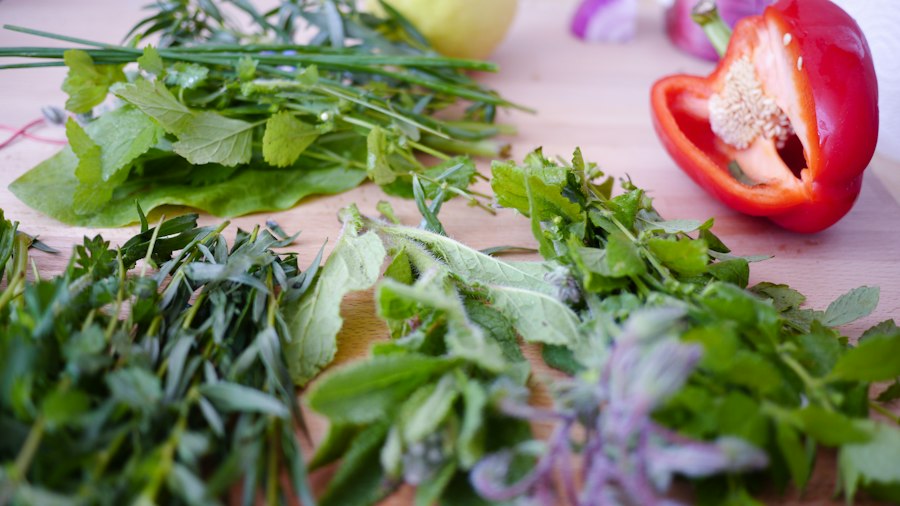
The foundation of a healthy herb garden lies in the soil. Good drainage is essential since most herbs don’t like to sit in waterlogged soil. If you’re planting directly in the ground, amend your soil with organic matter like compost to improve its structure and nutrient content. For container gardening, choose pots with drainage holes and fill them with a high-quality potting mix designed for herbs or vegetables.
If you’re using containers, consider the size of the pots as well. While some herbs can thrive in smaller pots, larger varieties like basil or rosemary will need more space to grow their roots. A general rule of thumb is to use at least a 6-inch pot for smaller herbs and an 8- to 12-inch pot for larger ones. This will give your plants enough room to flourish without becoming root-bound.
When it comes to starting your herb garden, you have two main options: planting seeds or buying starter plants from a nursery. Each method has its pros and cons, so it’s worth considering what works best for you. Starting from seeds can be more cost-effective and offers a wider variety of herb types. However, it requires patience and some knowledge about germination times and conditions.
On the other hand, purchasing starter plants can save you time and effort. These young plants are often already acclimated to local conditions and can provide an instant garden feel. If you’re new to gardening or short on time, this might be the better route for you. Just keep in mind that starter plants may be more expensive than seeds, so weigh your options based on your budget and gardening experience.
Watering and Fertilizing Your Herb Garden
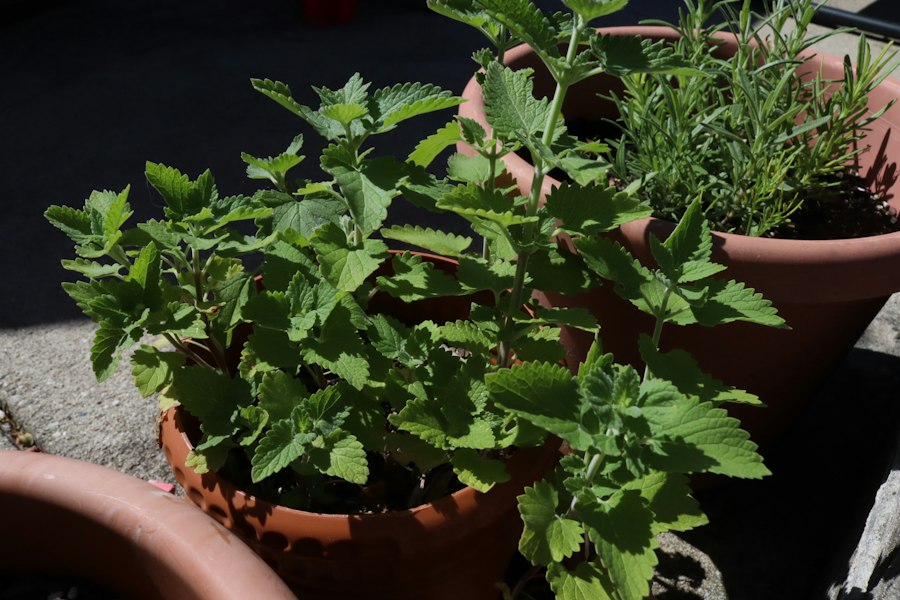
Watering is one of the most critical aspects of herb care. Most herbs prefer consistently moist soil but can’t tolerate soggy conditions. A good rule of thumb is to water when the top inch of soil feels dry to the touch. Early morning is often the best time to water, as it allows plants to absorb moisture before the heat of the day sets in.
Fertilizing your herbs can also enhance their growth and flavor. While many herbs don’t require heavy feeding, a light application of organic fertilizer every few weeks during the growing season can help them thrive. Look for fertilizers that are balanced or specifically formulated for herbs. Just be cautious not to over-fertilize; too much nitrogen can lead to lush foliage but less flavorful leaves.
If you’re interested in enhancing your culinary skills with homegrown ingredients, you might also enjoy exploring how to create delicious dishes using your fresh herbs. A great example is the delightful Grilled Peach and Apricot Salad, which showcases the vibrant flavors of seasonal fruits and can be beautifully complemented by your own herb garden.
You can find the recipe and learn more about this refreshing dish by visiting