

Granita, a semi-frozen dessert with roots in Sicily, has a rich history that dates back to ancient times. Its origins can be traced to the Arab rule of Sicily during the 9th century, when the introduction of sugar and citrus fruits transformed local culinary practices. The Arabs brought with them the concept of using ice to create refreshing treats, which were made by mixing snow from Mount Etna with fruit juices and sugar. This early form of granita was a precursor to the modern version we enjoy today, showcasing the influence of various cultures on Sicilian cuisine.
As time progressed, granita evolved into a popular street food in Sicily, particularly during the hot summer months. Vendors would sell it from carts, offering a variety of flavors that catered to local tastes. The traditional lemon granita became especially favored due to the abundance of lemons grown in the region. By the 19th century, granita had gained recognition beyond Sicily, becoming a staple in Italian cuisine and eventually making its way to other parts of the world. Today, granita is celebrated not only for its refreshing qualities but also as a symbol of Sicilian heritage.
Granita di limone, a refreshing Italian frozen dessert made from lemon juice, sugar, and water, is perfect for hot summer days. If you’re interested in exploring more delightful culinary creations, you might enjoy an article about a delicious steamed fish dish that pairs beautifully with light and zesty flavors. Check out the recipe for steamed fish with ginger and scallions in this related article for a complete dining experience that complements the bright taste of granita di limone.
Key Takeaways
- Granita is a traditional Sicilian frozen dessert with a rich history and cultural significance.
- Lemon granita is versatile, enjoyed as both a refreshing dessert and a zesty cocktail ingredient.
- It offers health benefits, being a nutritious and hydrating treat made from natural lemon juice.
- Making lemon granita at home is easy with simple ingredients and straightforward steps.
- Creative serving ideas and variations allow for personalized twists on the classic lemon granita recipe.
The Versatility of Lemon Granita: From Dessert to Cocktail
Lemon granita is not just a dessert; its versatility allows it to be enjoyed in various forms. Traditionally served as a refreshing treat on its own, it can also be incorporated into cocktails, adding a zesty twist to beverages. Bartenders have embraced lemon granita as a creative ingredient, using it to enhance cocktails with its bright flavor and icy texture. For instance, it can be blended with vodka or gin to create a slushy cocktail that is perfect for summer gatherings.
In addition to cocktails, lemon granita can serve as an elegant palate cleanser between courses during a meal. Its light and refreshing nature makes it an ideal choice for interludes in multi-course dinners, providing a moment of respite for diners. Furthermore, it can be used as a topping for desserts like cakes or sorbets, adding an extra layer of flavor and texture. This adaptability makes lemon granita a favorite among chefs and home cooks alike, who appreciate its ability to elevate various dishes.
The Health Benefits of Lemon Granita: A Refreshing and Nutritious Option
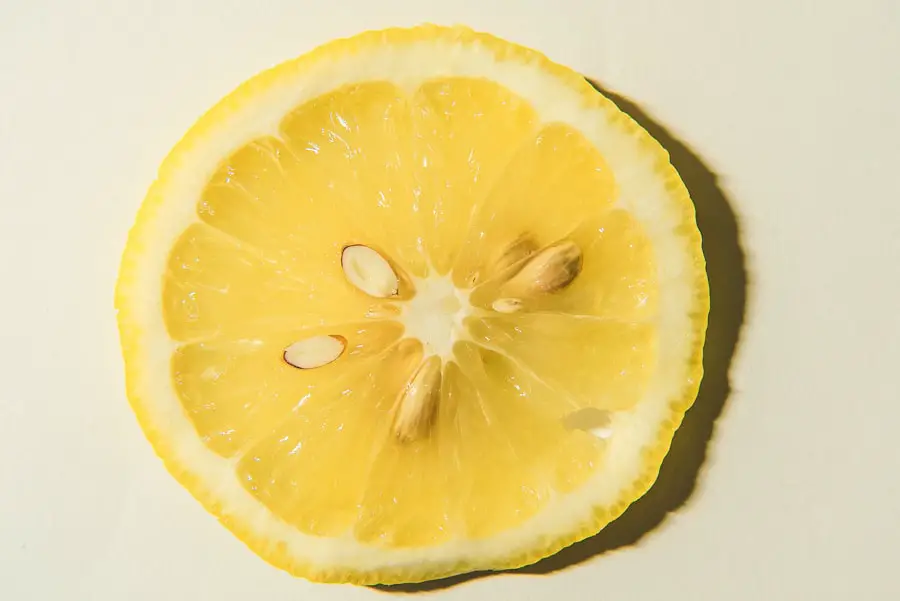
Lemon granita offers several health benefits that make it an appealing choice for those seeking a refreshing treat. One of the primary ingredients, lemons, are rich in vitamin C, which is essential for maintaining a healthy immune system. This vitamin also acts as an antioxidant, helping to combat free radicals in the body.
Additionally, lemons contain flavonoids that may have anti-inflammatory properties, contributing to overall health. Moreover, lemon granita can be made with minimal added sugars, allowing for a lighter dessert option compared to many other frozen treats. When prepared with natural sweeteners or simply relying on the natural sweetness of ripe lemons, it can be a guilt-free indulgence.
The hydration provided by the ice and lemon juice also makes it an excellent choice for hot days, helping to keep the body cool and refreshed. Thus, lemon granita not only satisfies sweet cravings but also supports a balanced diet.
How to Make Lemon Granita at Home: A Simple and Delicious Recipe
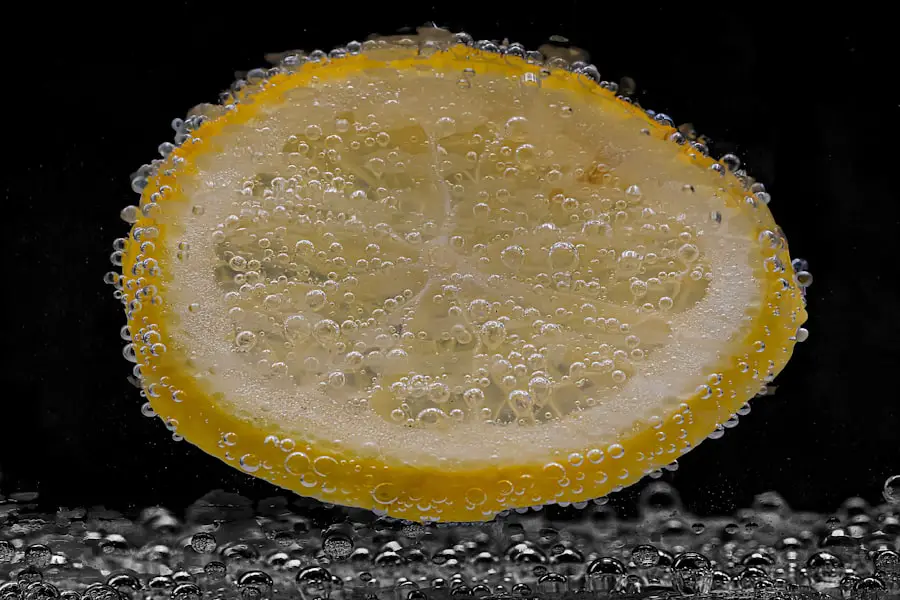
Making lemon granita at home is a straightforward process that requires only a few ingredients and minimal effort. To begin, gather fresh lemons, water, and sugar. Start by juicing the lemons to obtain about one cup of fresh lemon juice. In a saucepan, combine one cup of water with half a cup of sugar over medium heat, stirring until the sugar dissolves completely. Once the syrup is ready, remove it from heat and allow it to cool.
Next, mix the cooled syrup with the freshly squeezed lemon juice in a large bowl. Pour this mixture into a shallow dish or baking pan and place it in the freezer. After about 30 minutes, use a fork to scrape the mixture gently, breaking up any ice crystals that form. Repeat this process every 30 minutes for about 2-3 hours until the granita reaches a fluffy texture. Once ready, serve it in chilled glasses or bowls for an enjoyable homemade treat.
Granita di limone is a refreshing Italian dessert that perfectly captures the essence of summer with its icy texture and zesty flavor. If you’re looking to complement this delightful treat with a savory dish, you might want to explore the world of fried chicken, which offers a satisfying contrast to the sweetness of granita. For an amazing recipe that will elevate your meal, check out this fried chicken recipe that promises to impress your guests and create a memorable dining experience.
Serving Suggestions: Creative Ways to Enjoy Lemon Granita
| Metric | Value | Unit |
|---|---|---|
| Serving Size | 150 | grams |
| Calories | 120 | kcal |
| Carbohydrates | 30 | grams |
| Sugars | 25 | grams |
| Fat | 0 | grams |
| Protein | 0.5 | grams |
| Vitamin C | 30 | mg |
| Preparation Time | 10 | minutes |
| Freezing Time | 240 | minutes |
Lemon granita can be served in various ways that enhance its appeal and presentation. One popular method is to serve it in elegant glassware, such as martini glasses or dessert cups, garnished with fresh mint leaves or thin lemon slices. This not only adds visual interest but also complements the bright flavors of the granita.
Another creative serving suggestion involves layering lemon granita with other desserts.
For example, it can be spooned over vanilla ice cream or yogurt for a delightful contrast of textures and flavors.
Additionally, incorporating lemon granita into cocktails can elevate any gathering; serving it as a slushy base for drinks or as an icy garnish can impress guests while providing a refreshing twist on classic beverages.
Lemon Granita Variations: Adding a Twist to the Classic Recipe
While traditional lemon granita is beloved for its simplicity, there are numerous variations that can add unique flavors and textures to this classic treat. One popular twist is to incorporate other citrus fruits such as lime or orange into the recipe. By blending different juices together, you can create a vibrant citrus medley that enhances the overall taste experience.
Another variation involves infusing the granita with herbs or spices. For instance, adding fresh basil or mint during the preparation process can impart an aromatic quality that complements the tartness of the lemon. Alternatively, incorporating ginger or cardamom can introduce warmth and depth to the flavor profile. These variations not only diversify the taste but also allow for personal creativity in crafting your own version of lemon granita.
Lemon Granita Around the World: Different Takes on a Summer Favorite
Lemon granita has inspired similar frozen treats across various cultures around the globe. In Italy, for example, “granite” refers to similar icy desserts made from fruit juices and sugar but may include different flavor profiles such as coffee or almond. Each region often puts its own spin on this refreshing treat based on local ingredients and preferences.
In other countries, variations of granita can be found under different names. In Mexico, “raspados” are popular icy treats made from shaved ice topped with flavored syrups, including lemon-lime combinations. Meanwhile, in Japan, “kakigori” features finely shaved ice drizzled with sweet syrups and condensed milk; while not identical to granita, it shares similarities in texture and enjoyment during hot weather. These global interpretations highlight how cultures adapt similar concepts while celebrating their unique culinary traditions.
Tips for Choosing the Best Lemons for Making Granita: The Key to a Perfect Flavor
Selecting high-quality lemons is crucial for achieving the best flavor in your lemon granita. When shopping for lemons, look for ones that are firm and heavy for their size; this indicates juiciness and freshness.
The skin should be bright yellow without blemishes or soft spots, as these can indicate overripeness or spoilage.
Additionally, consider using organic lemons when possible; they tend to have more robust flavors due to being grown without synthetic pesticides or fertilizers. If you prefer a sweeter taste in your granita, opt for Meyer lemons—known for their sweeter profile compared to regular lemons—adding a unique twist to your homemade treat. By choosing quality ingredients from the start, you set the foundation for a delicious lemon granita that captures the essence of this beloved Sicilian dessert.
FAQs
What is Granita di Limone?
Granita di Limone is a traditional Italian frozen dessert made from lemon juice, sugar, and water. It has a granular, icy texture and is typically served as a refreshing treat, especially in the summer.
How is Granita di Limone traditionally prepared?
Granita di Limone is prepared by mixing lemon juice, sugar, and water, then freezing the mixture while periodically scraping it with a fork to create a coarse, crystalline texture. This process is repeated until the granita reaches the desired consistency.
What are the main ingredients in Granita di Limone?
The main ingredients are fresh lemon juice, water, and sugar. Some recipes may also include lemon zest or a small amount of lemon extract to enhance the flavor.
How is Granita di Limone typically served?
Granita di Limone is usually served in small cups or glasses as a refreshing dessert or palate cleanser. It can be enjoyed on its own or paired with brioche or other pastries in some Italian regions.
Can Granita di Limone be made without an ice cream maker?
Yes, Granita di Limone can be made without an ice cream maker by freezing the mixture in a shallow container and scraping it with a fork every 30 minutes to break up ice crystals until the desired texture is achieved.