

Dulce de leche, a rich and creamy caramel-like confection, has a storied history that spans centuries and continents. Its origins are often debated, with both Latin American and Spanish roots being claimed. The term “dulce de leche” translates to “sweet milk,” which aptly describes its primary ingredients: milk and sugar.
The earliest known references to a similar preparation date back to the 19th century in Argentina, where it is believed that the method of slowly cooking milk and sugar together was perfected. However, variations of this sweet treat can be traced back even further, with some historians suggesting that it may have been inspired by the ancient practice of making milk-based sweets in the Middle East. In Spain, a similar product known as “leche condensada” or condensed milk was popularized in the 19th century, which may have influenced the development of dulce de leche in Latin America.
The process of making dulce de leche involves simmering milk and sugar until it thickens and caramelizes, resulting in a smooth, velvety texture. Over time, this delightful concoction became a staple in many Latin American countries, each adding its unique twist to the recipe. For instance, in Mexico, it is often referred to as “cajeta” when made with goat’s milk, while in Argentina, it is a beloved accompaniment to alfajores, a traditional cookie sandwich.
Key Takeaways
- Dulce de Leche originated in Latin America, with its exact origins being debated, but it is believed to have been created in Argentina or Uruguay.
- Dulce de Leche can be used in a wide variety of desserts, such as cakes, cookies, ice cream, and pastries, adding a rich and caramel-like flavor.
- Making homemade Dulce de Leche is simple and only requires condensed milk and a few hours of cooking time, either on the stovetop or in the oven.
- Different variations of Dulce de Leche can be found around the world, such as Cajeta in Mexico and Arequipe in Colombia, each with their own unique twist on the classic caramel treat.
- While Dulce de Leche is high in sugar and calories, it does contain some beneficial nutrients such as protein, calcium, and vitamin B12.
The Versatility of Dulce de Leche in Desserts
Dulce de leche is celebrated for its remarkable versatility in the realm of desserts. Its luscious texture and sweet, caramel flavor make it an ideal ingredient for a wide array of sweet treats. One of the most popular uses is as a filling for cakes and pastries.
For instance, layer cakes often feature dulce de leche between the layers, providing a rich contrast to lighter cake textures. Additionally, it can be swirled into batters for brownies or blondies, imparting a delightful caramel flavor that elevates these classic desserts. Beyond cakes and pastries, dulce de leche shines in ice creams and gelatos.
Its creamy consistency allows it to blend seamlessly into frozen desserts, creating a luxurious mouthfeel. Many artisanal ice cream makers have embraced dulce de leche as a signature flavor, often pairing it with sea salt or chocolate to enhance its complexity. Furthermore, it can be drizzled over panna cotta or used as a topping for cheesecakes, adding an indulgent touch that transforms simple desserts into extraordinary culinary experiences.
How to Make Homemade Dulce de Leche
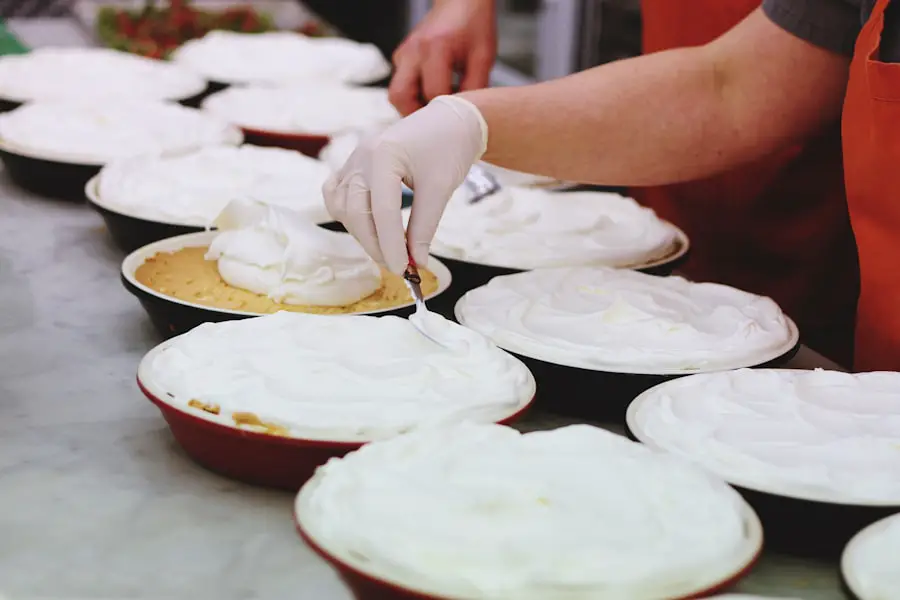
Creating homemade dulce de leche is a straightforward process that requires only a few ingredients and some patience. The traditional method involves simmering whole milk and sugar together over low heat while stirring frequently to prevent scorching. The key is to maintain a gentle simmer for an extended period—typically around one to two hours—until the mixture thickens and takes on a deep caramel color.
As the milk reduces, the sugars caramelize, resulting in that signature flavor profile that makes dulce de leche so irresistible. For those seeking a quicker method, dulce de leche can also be made using sweetened condensed milk. This approach involves placing an unopened can of sweetened condensed milk in a pot of water and simmering it for several hours.
The result is a thick, creamy dulce de leche that can be used immediately or stored for later use. Regardless of the method chosen, homemade dulce de leche offers a freshness and depth of flavor that far surpasses store-bought versions. It can be customized by adding vanilla extract or a pinch of salt to enhance its flavor profile further.
The Different Variations of Dulce de Leche Around the World
| Variation | Country of Origin | Ingredients | Texture |
|---|---|---|---|
| Dulce de Leche | Argentina | Milk, sugar | Thick and creamy |
| Arequipe | Colombia | Milk, sugar | Thick and spreadable |
| Manjar | Chile | Milk, sugar | Smooth and creamy |
| Cajeta | Mexico | Goat’s milk, sugar | Thick and caramel-like |
While dulce de leche is most commonly associated with Latin American cuisine, variations of this sweet treat exist across the globe, each reflecting local ingredients and culinary traditions. In Mexico, cajeta is a beloved version made from goat’s milk, which imparts a distinct flavor profile that sets it apart from traditional dulce de leche. Cajeta is often enjoyed drizzled over pancakes or used as a filling for churros, showcasing its versatility in Mexican desserts.
In Spain, the dessert known as “arequipe” or “dulce de leche” is made using similar techniques but may incorporate additional flavors such as cinnamon or vanilla. This Spanish version is often used as a spread on toast or as a filling for pastries like “tarta de dulce de leche.” In Brazil, “doce de leite” is a staple ingredient in many traditional sweets and is often enjoyed with cheese or used in brigadeiros—chocolate truffles that incorporate dulce de leche for added richness.
Health Benefits of Dulce de Leche
While dulce de leche is primarily known for its indulgent sweetness, it also offers some nutritional benefits when consumed in moderation. Made primarily from milk and sugar, it contains essential nutrients such as calcium and protein derived from the milk component. Calcium is vital for maintaining strong bones and teeth, while protein plays a crucial role in muscle repair and growth.
Moreover, dulce de leche can provide a quick source of energy due to its high sugar content. This makes it an appealing option for athletes or individuals needing an energy boost during physical activity. However, it’s essential to balance its consumption with other nutrient-dense foods to maintain overall health.
When enjoyed as part of a varied diet, dulce de leche can be a delightful treat that adds both flavor and some nutritional value.
Pairing Dulce de Leche with Other Flavors
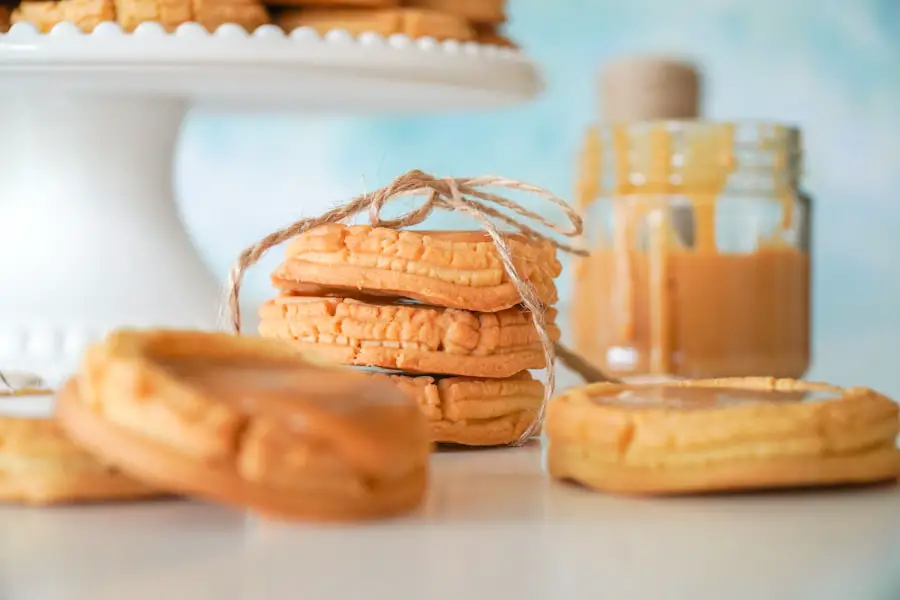
The rich flavor profile of dulce de leche lends itself beautifully to pairing with various other ingredients. One classic combination is with chocolate; the deep bitterness of dark chocolate complements the sweetness of dulce de leche perfectly. This pairing can be found in numerous desserts, from chocolate cakes with dulce de leche frosting to decadent brownies swirled with both flavors.
Fruits also make excellent companions for dulce de leche. The natural acidity of fruits like apples or pears balances the sweetness of the caramel-like sauce. A popular dessert involves poached pears drizzled with warm dulce de leche, creating an elegant dish that highlights both flavors’ contrasting notes.
Additionally, nuts such as pecans or walnuts add texture and depth when combined with dulce de leche in desserts like tarts or pies.
Creative Ways to Use Dulce de Leche in Cooking
Beyond its traditional role in desserts, dulce de leche can be creatively incorporated into savory dishes as well. One innovative use is as a glaze for meats; when combined with soy sauce and garlic, dulce de leche can create a unique marinade for grilled chicken or pork. The sugars caramelize during cooking, resulting in a beautifully glazed exterior that enhances the dish’s overall flavor.
Another exciting application is using dulce de leche in breakfast dishes. It can be drizzled over pancakes or waffles instead of syrup for an indulgent twist on classic morning fare. Additionally, mixing it into oatmeal or yogurt adds sweetness and creaminess while elevating these simple meals into something special.
The versatility of dulce de leche allows it to transcend its dessert origins and find a place in various culinary contexts.
Tips for Storing and Preserving Dulce de Leche
To ensure that homemade or store-bought dulce de leche maintains its quality over time, proper storage is essential. Once opened, dulce de leche should be transferred to an airtight container if not already packaged this way. It can be stored in the refrigerator for up to two weeks; however, it’s crucial to check for any signs of spoilage before use.
For longer-term storage, dulce de leche can be frozen in small portions using ice cube trays or freezer-safe containers. This method allows for easy thawing and portion control when needed. When ready to use frozen dulce de leche, simply transfer it to the refrigerator overnight or warm it gently on the stovetop until it reaches the desired consistency.
By following these storage tips, you can enjoy the delightful taste of dulce de leche whenever the craving strikes without compromising its quality or flavor.
Dulce de leche, a rich and creamy caramel-like sauce, is a beloved treat in many Latin American countries.
For those interested in exploring more unique and flavorful culinary experiences, you might enjoy reading about a delightful recipe that combines the spicy and sweet flavors of the Caribbean. Check out this Jamaican Jerk Chicken Recipe with Pineapple Rum Sauce for a taste of the unexpected fusion of spices and sweetness, much like the beloved dulce de leche.
FAQs
What is dulce de leche?
Dulce de leche is a sweet, caramel-like spread or sauce made from sweetened condensed milk. It is popular in many Latin American countries and is used in a variety of desserts and pastries.
How is dulce de leche made?
Dulce de leche is typically made by heating sweetened condensed milk until it thickens and caramelizes, either on the stovetop or in the oven. Some recipes also call for the addition of vanilla or baking soda to enhance the flavor and texture.
What are some ways to use dulce de leche?
Dulce de leche can be used as a topping for ice cream, pancakes, waffles, or toast. It can also be used as a filling for cakes, cookies, and pastries, or as a flavoring for milkshakes and coffee drinks.
Is dulce de leche the same as caramel?
While dulce de leche and caramel are both sweet, caramel-like sauces, they are made using different ingredients and cooking methods. Dulce de leche is made from sweetened condensed milk, while caramel is made from sugar and water or cream.
Can dulce de leche be made at home?
Yes, dulce de leche can be made at home using sweetened condensed milk. There are various methods for making it, including stovetop, oven, slow cooker, and pressure cooker methods.