

Alfajores, the delightful confections that have captured the hearts and palates of many, boast a rich and varied history that traces back to the Moorish influence in Spain. The origins of these sweet treats can be linked to the Arabic word “al-hasú,” which refers to a type of filled pastry. During the 8th century, when the Moors invaded the Iberian Peninsula, they brought with them a wealth of culinary traditions, including the concept of stuffed cookies.
These early versions of alfajores were made with honey, nuts, and spices, reflecting the flavors and ingredients available in that era. As time progressed, the recipe for alfajores evolved, particularly during the Spanish colonial period in Latin America. The Spanish settlers introduced new ingredients and techniques, leading to variations that would eventually define the alfajores we know today.
In countries like Argentina, Peru, and Uruguay, alfajores became a staple of local cuisine, often filled with dulce de leche and coated in chocolate or powdered sugar. The adaptation of these treats to local tastes and ingredients is a testament to their enduring popularity and cultural significance across generations.
Key Takeaways
- Alfajores have a rich history dating back to the Moorish occupation of Spain and have evolved into a popular treat in South America.
- There are various types of alfajores, including the classic shortbread cookie version, the cornstarch-based version, and the chocolate-covered version.
- Traditional ingredients used in alfajores include dulce de leche, cornstarch, and coconut, which give the treat its unique flavor and texture.
- Making alfajores at home is a simple process that involves sandwiching dulce de leche between two cookies and coating them in chocolate or powdered sugar.
- Alfajores are enjoyed throughout South America, with each country putting its own spin on the treat, such as Argentina’s chocolate-covered alfajores and Peru’s alfajores de maicena.
Different Varieties of Alfajores
The world of alfajores is as diverse as the cultures that embrace them. In Argentina, the most recognized variety features two soft cookies filled with a generous layer of dulce de leche, often rolled in shredded coconut or dusted with powdered sugar. This version has become synonymous with Argentine culture and is frequently enjoyed with a cup of mate or coffee.
The texture of the cookies is typically tender and crumbly, creating a delightful contrast with the creamy filling. In contrast, Peruvian alfajores present a different take on this classic treat. They are often made with a cornstarch-based dough that yields a lighter, melt-in-your-mouth experience.
These cookies are typically filled with a rich layer of dulce de leche and dusted with powdered sugar, but they may also incorporate flavors such as lemon or chocolate. The Peruvian version is known for its delicate texture and is often served during festive occasions, showcasing the country’s unique culinary heritage. Uruguayan alfajores also deserve mention, as they often feature a thicker layer of dulce de leche and are sometimes coated in chocolate.
The Uruguayan twist on this beloved treat has led to a thriving industry, with numerous artisanal producers crafting their own versions. Each country has embraced alfajores in its own way, resulting in a delightful array of flavors and textures that reflect regional preferences and traditions.
Traditional Ingredients Used in Alfajores
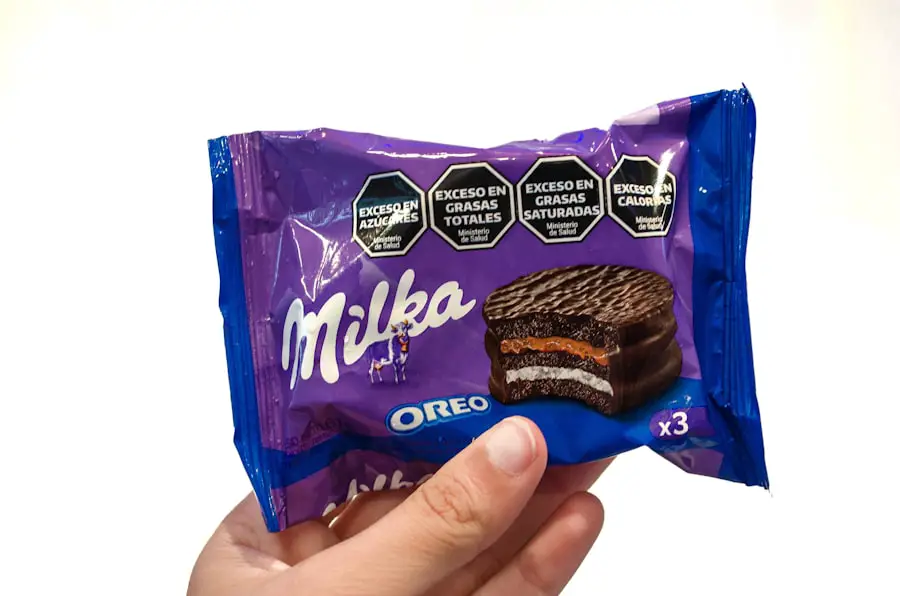
The ingredients that go into making alfajores are fundamental to their unique taste and texture. At the heart of most recipes lies a base of flour, which can vary from all-purpose to cornstarch, depending on the desired outcome. In Argentina, for instance, all-purpose flour is commonly used to create a denser cookie, while cornstarch is favored in Peru for its ability to produce a lighter, more delicate texture. Dulce de leche is perhaps the most iconic filling for alfajores.
This caramel-like confection is made by slowly heating sweetened milk until it thickens and develops a rich flavor. The process requires patience and attention to detail, as achieving the perfect consistency is crucial for an ideal alfajor experience. In addition to dulce de leche, some variations incorporate chocolate ganache or fruit preserves, adding layers of flavor that enhance the overall enjoyment of the treat.
Some recipes may also call for lemon zest or cocoa powder to introduce additional complexity.
The choice of ingredients not only influences the taste but also reflects regional preferences and culinary traditions, making each alfajor unique to its place of origin.
How to Make Alfajores at Home
| Ingredients | Quantity |
|---|---|
| Butter | 1 cup |
| Sugar | 1/2 cup |
| Egg yolks | 2 |
| Vanilla extract | 1 tsp |
| All-purpose flour | 2 cups |
| Cornstarch | 1 cup |
| Dulce de leche | 1 cup |
| Shredded coconut | 1/2 cup |
Creating alfajores at home can be a rewarding culinary adventure that allows you to customize flavors and fillings to your liking. To begin, gather your ingredients: all-purpose flour or cornstarch, butter, sugar, eggs, vanilla extract, and dulce de leche. Start by creaming together softened butter and sugar until light and fluffy.
This step is crucial as it incorporates air into the mixture, resulting in a tender cookie. Next, gradually add in your flour or cornstarch along with any additional flavorings such as vanilla or lemon zest. Mix until just combined; overmixing can lead to tough cookies.
Once your dough is ready, wrap it in plastic wrap and refrigerate for at least an hour to allow it to firm up. This chilling step is essential for easier handling when rolling out the dough. After chilling, roll out the dough on a floured surface to about 1/4 inch thick.
Use cookie cutters to create rounds or other shapes as desired. Bake the cookies in a preheated oven until they are lightly golden around the edges. Once cooled, generously spread dulce de leche between two cookies and roll the edges in shredded coconut or dust with powdered sugar for an authentic touch.
Enjoying your homemade alfajores fresh from the kitchen is an experience that brings joy not only from the taste but also from the process itself.
Alfajores Around South America
Alfajores are not just confined to Argentina; they have made their mark across South America, each country adding its own flair to this beloved treat. In Colombia, for example, alfajores are often made with a combination of flour and cornstarch, resulting in a crumbly texture that pairs beautifully with their signature filling of arequipe—a local version of dulce de leche. These treats are frequently enjoyed during celebrations and family gatherings, showcasing their role in Colombian culture.
Ecuador also boasts its own version of alfajores known as “alfajores de miel.” These cookies are typically flavored with spices such as cinnamon and filled with a sweet honey mixture rather than dulce de leche. The use of honey reflects Ecuador’s rich agricultural heritage and highlights local ingredients that contribute to the distinctiveness of their alfajores. In Chile, alfajores are often filled with manjar—a local variation of dulce de leche—and may be coated in chocolate or sprinkled with nuts.
The Chilean take on this treat emphasizes indulgence and creativity, with many artisanal bakeries experimenting with flavors like orange zest or even spicy chili chocolate. Each country’s interpretation of alfajores not only showcases regional tastes but also serves as a reminder of how food can transcend borders while retaining its cultural significance.
The Cultural Significance of Alfajores
Alfajores hold a special place in the hearts of many South Americans, transcending mere culinary delight to embody cultural identity and tradition. In Argentina, for instance, these treats are often associated with national pride and are commonly shared during social gatherings or celebrations such as birthdays and holidays. The act of sharing alfajores can symbolize hospitality and warmth, reinforcing social bonds among family and friends.
In Peru, alfajores are frequently enjoyed during festive occasions such as Christmas or Independence Day celebrations. Their presence at these events underscores their role as symbols of joy and togetherness within families and communities. The preparation and sharing of alfajores can also serve as an opportunity for families to pass down recipes through generations, preserving culinary heritage while fostering connections among loved ones.
Moreover, alfajores have become emblematic of Latin American culture on a global scale. As more people discover these delectable treats outside their countries of origin, they serve as ambassadors of South American cuisine, inviting others to explore the rich flavors and traditions associated with them.
Alfajores in Popular Culture
Alfajores have not only found their way into homes but have also made significant appearances in popular culture across various media platforms. In literature, authors often reference these sweet treats as symbols of nostalgia or comfort food that evokes memories of childhood or family gatherings. Their presence in stories can evoke feelings of warmth and connection to one’s roots.
In film and television, alfajores have been featured as quintessential snacks enjoyed by characters during pivotal moments—whether it be sharing them among friends or using them as tokens of affection between loved ones. Such portrayals highlight not only their deliciousness but also their role in fostering relationships and creating memorable experiences. Social media has further propelled alfajores into popular culture by allowing food enthusiasts to share their own interpretations and creations online.
Platforms like Instagram showcase stunning images of beautifully crafted alfajores adorned with various fillings and toppings, inspiring others to experiment with flavors while celebrating this beloved treat’s versatility.
Where to Find Authentic Alfajores
For those eager to experience authentic alfajores without venturing into South America, numerous bakeries and specialty shops around the world offer these delightful confections. In major cities like New York City or Los Angeles, you can find artisanal bakeries dedicated to crafting traditional alfajores using high-quality ingredients that honor their cultural roots. In addition to local bakeries, many online retailers specialize in shipping authentic alfajores directly to consumers’ doorsteps.
These businesses often source their recipes from family traditions passed down through generations, ensuring that each bite captures the essence of what makes alfajores so special. Traveling to South America provides an unparalleled opportunity to indulge in freshly made alfajores from street vendors or local cafes where they are served warm alongside traditional beverages like mate or coffee. Whether enjoyed at home or abroad, seeking out authentic alfajores allows you to partake in a culinary experience steeped in history and cultural significance that transcends borders.
Alfajores, the delightful South American cookies filled with creamy dulce de leche, are a treat that pairs perfectly with a variety of desserts. If you’re a fan of sweet indulgences, you might also enjoy exploring other delicious recipes, such as chocolate brownies. For a rich and decadent dessert experience, check out this chocolate brownies recipe that promises to satisfy your sweet tooth with its gooey and chocolatey goodness. Whether you’re enjoying alfajores or brownies, these treats are sure to bring joy to any dessert lover’s palate.
FAQs
What are alfajores?
Alfajores are a type of sweet sandwich cookie that is popular in South America, particularly in Argentina, Uruguay, and Peru. They consist of two shortbread cookies filled with dulce de leche (a caramel-like filling) and often coated in chocolate or powdered sugar.
Where did alfajores originate?
The origins of alfajores can be traced back to the Middle East, where a similar confection called “alajú” was made with honey, almonds, and spices. The Moors brought this recipe to Spain, and it eventually made its way to South America through Spanish colonization.
What are the different variations of alfajores?
There are many variations of alfajores, with different countries and regions putting their own spin on the classic recipe. Some variations include using different types of cookies (such as cornstarch or coconut), using different fillings (such as fruit preserves or chocolate), and coating the cookies in different toppings (such as powdered sugar or shredded coconut).
How are alfajores typically served?
Alfajores are often enjoyed as a sweet treat with coffee or tea. They are also popular as gifts or souvenirs, and can be found in bakeries, cafes, and markets throughout South America.
Are alfajores gluten-free?
Traditional alfajores are made with wheat flour, so they are not gluten-free. However, there are gluten-free versions available that use alternative flours such as cornstarch or rice flour.