

The Linzer Torte, a delectable pastry with a rich history, traces its origins back to the city of Linz in Austria. This iconic dessert is believed to have been created in the early 18th century, making it one of the oldest known tarts in the world. The earliest documented recipe for Linzer Torte dates back to 1653, found in a cookbook attributed to a Linz-based baker.
This recipe highlights the use of ground nuts, typically hazelnuts or almonds, combined with flour, sugar, and spices, which are then layered with a fruit preserve, usually raspberry or currant. The tart’s distinctive lattice top not only serves as an aesthetic feature but also allows the vibrant filling to peek through, enticing those who behold it. The name “Linzer Torte” itself is derived from the city of Linz, which has long been celebrated for its culinary contributions.
As the recipe spread beyond Linz, it underwent various adaptations, yet the core elements remained intact. The Linzer Torte became a symbol of Austrian culture and heritage, often associated with festive occasions and family gatherings.
Its historical significance is further underscored by its inclusion in various culinary texts and its recognition as a national dish of Austria.
Key Takeaways
- Linzer Torte originated in the city of Linz, Austria, and is one of the oldest known tarts in the world.
- The traditional ingredients of Linzer Torte include ground nuts, such as almonds or hazelnuts, and a filling of blackcurrant preserves.
- The evolution of Linzer Torte has seen variations in the type of nuts used, as well as the addition of spices like cinnamon and cloves.
- Linzer Torte has gained popularity around the world, with variations in fillings and crusts to suit local tastes and ingredients.
- Linzer Torte is often enjoyed during the holiday season and is associated with customs such as cutting the top crust into a lattice pattern.
The Ingredients of Linzer Torte
At the heart of any Linzer Torte lies a carefully curated selection of ingredients that contribute to its unique flavor and texture. The base of the tart is typically made from a combination of all-purpose flour, ground nuts, sugar, butter, and eggs. The choice of nuts is crucial; while traditional recipes often call for hazelnuts, almonds are also a popular alternative.
These nuts not only add a rich, nutty flavor but also provide a delightful crunch that contrasts beautifully with the smooth fruit filling. The fruit preserve is another essential component of the Linzer Torte. Raspberry jam is the most commonly used filling due to its tartness, which balances the sweetness of the pastry.
However, variations exist that incorporate other fruits such as apricot or blackcurrant. Spices like cinnamon and cloves are often added to the dough, infusing the tart with warm, aromatic notes that enhance its overall appeal. The final touch is the lattice crust that adorns the top of the tart, which is crafted from strips of dough that create an intricate pattern while allowing glimpses of the vibrant filling beneath.
The Evolution of Linzer Torte
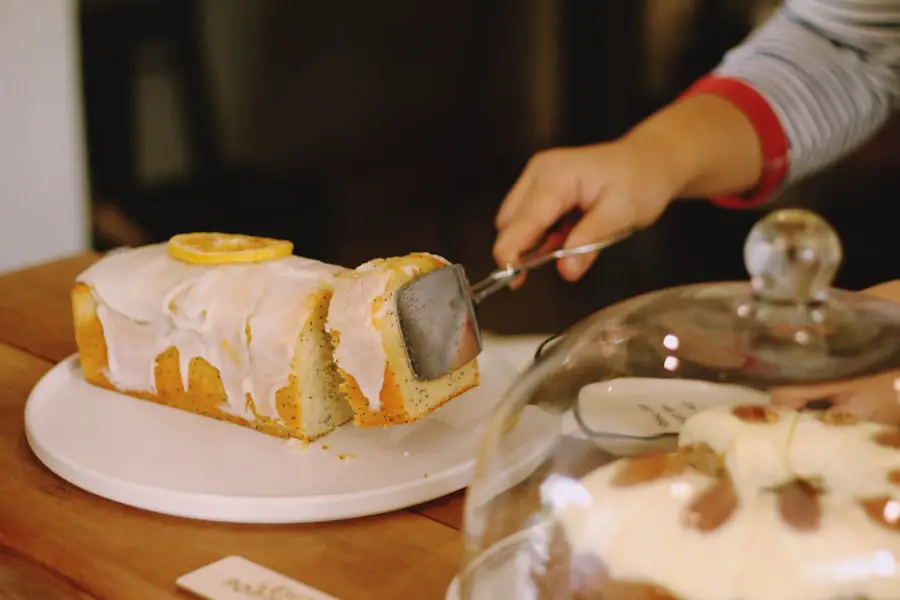
Over the centuries, the Linzer Torte has evolved significantly, adapting to changing tastes and culinary trends while maintaining its traditional roots. In the 19th century, as baking techniques advanced and new ingredients became available, variations of the original recipe began to emerge. Bakers started experimenting with different types of nuts and fruit preserves, leading to a broader range of flavors and textures. This period also saw the introduction of modern baking tools and equipment, which allowed for greater precision in crafting the tart.
In contemporary times, the Linzer Torte has transcended its regional origins and gained international acclaim. Chefs and home bakers alike have embraced this classic dessert, often putting their own spin on it by incorporating unique ingredients or presentation styles. For instance, some modern interpretations feature gluten-free flour blends or alternative sweeteners to cater to dietary restrictions.
Additionally, creative chefs have begun to serve Linzer Torte in various forms, such as mini tarts or layered cakes, showcasing its versatility while honoring its traditional essence.
Linzer Torte Around the World
| Country | Consumption per year (in tons) | Popular variations |
|---|---|---|
| Austria | 500 | Traditional, gluten-free |
| Germany | 300 | Almond, hazelnut |
| United States | 200 | Chocolate, raspberry |
| Switzerland | 150 | Apricot, walnut |
As the Linzer Torte gained popularity beyond Austria’s borders, it found its way into various culinary traditions around the globe. In Germany, for example, it is often enjoyed during festive occasions and is commonly served alongside coffee or tea. The German version may include variations in the type of nuts used or even incorporate chocolate into the dough for added richness.
Similarly, in Switzerland, bakers have adopted the Linzer Torte into their repertoire, sometimes adding a touch of Swiss chocolate to enhance its flavor profile. In the United States, particularly among German-American communities, the Linzer Torte has become a beloved dessert at holiday gatherings and family celebrations. Bakeries across the country offer their interpretations of this classic treat, often featuring it prominently during Christmas time.
The tart’s intricate lattice design and vibrant filling make it a visually appealing centerpiece for festive tables. Furthermore, as global culinary influences continue to intertwine, innovative chefs are reimagining the Linzer Torte by incorporating local ingredients or fusion flavors that reflect their cultural backgrounds.
Linzer Torte Traditions and Customs
The Linzer Torte is steeped in traditions and customs that reflect its cultural significance in Austria and beyond. In Austria, it is customary to serve this tart during special occasions such as birthdays, weddings, and holidays. Families often pass down recipes through generations, preserving not only the culinary techniques but also the stories and memories associated with making and sharing this beloved dessert.
The act of baking a Linzer Torte can be seen as a labor of love, where family members come together to create something special that embodies their heritage. In addition to familial traditions, there are also regional customs surrounding the consumption of Linzer Torte. For instance, in some areas of Austria, it is common to pair the tart with a dollop of whipped cream or a scoop of vanilla ice cream to enhance its richness.
Coffee houses in Vienna often feature Linzer Torte on their menus as a quintessential accompaniment to coffee culture. This practice not only highlights the tart’s popularity but also underscores its role as a social treat that brings people together over shared experiences.
Linzer Torte in Modern Cuisine
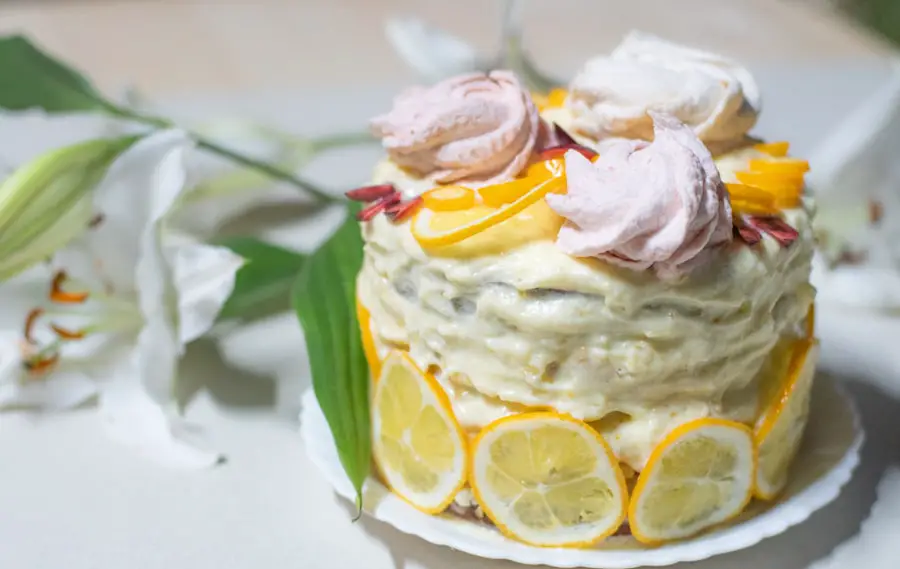
In recent years, the Linzer Torte has found its place within modern cuisine as chefs seek to reinterpret classic dishes through innovative techniques and presentations. Contemporary pastry chefs are experimenting with deconstructed versions of the tart, where elements such as the crust and filling are presented separately on a plate for an artistic flair. This approach allows diners to appreciate each component’s flavor and texture while offering a fresh perspective on a traditional favorite.
Moreover, health-conscious trends have influenced how Linzer Torte is prepared today. Many bakers are opting for organic ingredients or substituting refined sugars with natural sweeteners like honey or maple syrup. Gluten-free variations have also gained traction as more people seek alternatives due to dietary restrictions or preferences.
These adaptations not only cater to modern palates but also ensure that the Linzer Torte remains relevant in an ever-evolving culinary landscape.
Linzer Torte in Popular Culture
The Linzer Torte has made notable appearances in popular culture, further solidifying its status as an iconic dessert. It has been featured in various cookbooks and television cooking shows that celebrate traditional recipes from around the world. Chefs often highlight its historical significance while demonstrating how to create this classic pastry from scratch.
Documentaries exploring Austrian cuisine frequently showcase the Linzer Torte as a symbol of national pride and culinary heritage. Additionally, social media platforms have played a significant role in popularizing the Linzer Torte among younger generations. Food bloggers and influencers share visually stunning images of their homemade tarts, often accompanied by personal anecdotes or tips for perfecting the recipe.
This digital exposure has sparked renewed interest in traditional baking techniques and encouraged home cooks to experiment with their interpretations of this beloved dessert.
Making and Enjoying Linzer Torte at Home
Creating a Linzer Torte at home can be a rewarding experience that allows individuals to connect with culinary traditions while enjoying a delicious treat.
Following a traditional recipe can provide guidance on achieving the perfect balance between sweetness and tartness in the fruit filling.
Once baked and cooled, serving the Linzer Torte can be an occasion in itself. It can be dusted with powdered sugar for an elegant finish or paired with fresh berries for added color and flavor contrast. Sharing slices with family and friends fosters a sense of community and celebration around this timeless dessert.
Whether enjoyed during special occasions or simply as an afternoon treat with coffee or tea, making and savoring Linzer Torte at home allows individuals to partake in a rich culinary legacy that spans centuries and cultures.
The Linzer torte, a delightful pastry originating from Austria, is renowned for its buttery crust and rich, nutty filling, often complemented by a layer of tangy fruit preserves. This classic dessert shares a common thread with other sweet treats that capture the essence of summer flavors. For instance, the Sweet Frosé Strawberry Desserts That Taste Like Summer article explores a variety of strawberry-infused delights that evoke the same sense of indulgence and seasonal freshness as the Linzer torte. Both the Linzer torte and these strawberry desserts celebrate the harmonious blend of sweet and tart, making them perfect for any dessert lover’s repertoire.
FAQs
What is a Linzer torte?
A Linzer torte is a traditional Austrian pastry that consists of a rich buttery dough filled with a layer of fruit preserves, usually raspberry or red currant, and topped with a lattice crust.
What are the main ingredients in a Linzer torte?
The main ingredients in a Linzer torte include flour, butter, sugar, ground nuts (such as almonds or hazelnuts), spices (such as cinnamon and cloves), and fruit preserves.
What is the history of the Linzer torte?
The Linzer torte is said to be one of the oldest known tarts in the world, with its recipe dating back to the 17th century in the city of Linz, Austria. It is named after the city of Linz and is considered a traditional Austrian dessert.
How is a Linzer torte typically served?
A Linzer torte is often served as a dessert, accompanied by a dollop of whipped cream or a scoop of vanilla ice cream. It is also commonly enjoyed with a cup of coffee or tea.
Is a Linzer torte the same as a Linzer cookie?
No, a Linzer torte and a Linzer cookie are not the same. While they both share similar ingredients and flavors, a Linzer torte is a larger, tart-like pastry, while a Linzer cookie is a smaller, sandwich-style cookie with a cut-out design on the top layer.