

Sticky toffee pudding, a quintessential British dessert, has a history that is as rich and complex as its flavor. The origins of this beloved dish are somewhat murky, with various claims to its invention. Some food historians suggest that it may have originated in the Lake District of England, where it was first served in the 20th century.
The earliest known reference to sticky toffee pudding dates back to the 1960s, but it is believed that variations of the dish existed long before that. The combination of moist sponge cake, dates, and a luscious toffee sauce has made it a staple in British cuisine. The dish’s rise to fame can be attributed to its comforting qualities and the way it encapsulates the essence of traditional British desserts.
It is often associated with cozy pubs and family gatherings, where it is served warm, often accompanied by a scoop of vanilla ice cream or a dollop of clotted cream. The pudding’s popularity surged in the 1980s and 1990s, becoming a menu favorite in restaurants across the UK. Today, sticky toffee pudding is not just a dessert; it is a cultural icon that evokes nostalgia and warmth, representing the heart of British culinary tradition.
Key Takeaways
- Sticky toffee pudding originated in the UK in the 20th century and has since become a beloved dessert worldwide.
- The key ingredients for sticky toffee pudding include dates, flour, butter, and sugar, and it is typically served with a toffee sauce.
- The perfect toffee sauce for sticky toffee pudding is made with butter, brown sugar, and heavy cream, creating a rich and indulgent topping.
- Sticky toffee pudding can be served with a scoop of vanilla ice cream or a dollop of whipped cream for added decadence.
- Variations on the classic recipe include adding nuts, spices, or even swapping out the dates for other fruits like bananas or figs.
Ingredients and Preparation of Sticky Toffee Pudding
The ingredients for sticky toffee pudding are simple yet essential for achieving the perfect balance of flavors and textures. The base of the pudding typically consists of self-raising flour, butter, brown sugar, eggs, and finely chopped dates. The dates are often soaked in boiling water to soften them before being incorporated into the batter, which adds moisture and a natural sweetness to the pudding.
The use of dark brown sugar contributes to the rich flavor profile, while self-raising flour ensures that the pudding rises beautifully during baking. Preparation begins with preheating the oven and greasing a baking dish or individual ramekins. The dates are chopped and soaked in hot water, which not only softens them but also creates a syrupy mixture that enhances the overall flavor.
In a separate bowl, butter and brown sugar are creamed together until light and fluffy, followed by the addition of eggs one at a time. The dry ingredients are then folded into the mixture along with the soaked dates. This batter is poured into the prepared dish and baked until golden brown and set.
The result is a moist, dense pudding that serves as the perfect canvas for the indulgent toffee sauce.
The Perfect Toffee Sauce
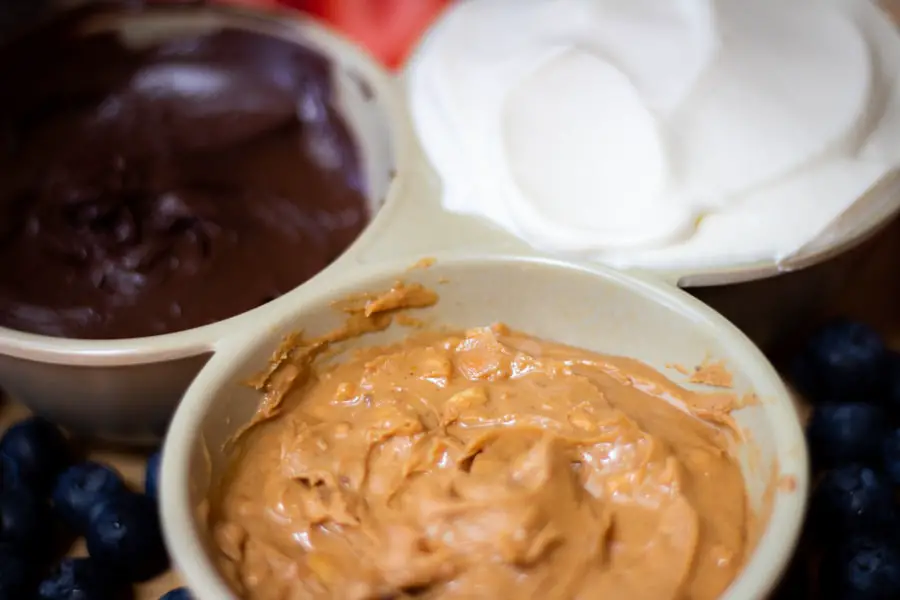
The hallmark of sticky toffee pudding is undoubtedly its toffee sauce, which elevates the dessert from good to extraordinary. A classic toffee sauce is made from a combination of butter, brown sugar, and heavy cream. The process begins by melting butter in a saucepan over medium heat, followed by adding brown sugar.
This mixture is stirred until it reaches a gentle boil, allowing the sugar to dissolve completely. Once combined, heavy cream is gradually added to create a smooth and glossy sauce.
The sauce should be simmered gently until it thickens slightly but remains pourable. Some variations include adding a splash of vanilla extract or a pinch of sea salt to enhance the flavor profile further.
The result is a rich, velvety sauce that seeps into the warm pudding, creating an irresistible combination of textures and flavors. Drizzling this sauce over the pudding just before serving ensures that each bite is infused with its sweet, buttery goodness.
Serving Suggestions for Sticky Toffee Pudding
| Serving Size | Calories | Total Fat | Carbohydrates | Protein |
|---|---|---|---|---|
| 1 slice (100g) | 320 | 12g | 50g | 3g |
| 1 serving (150g) | 480 | 18g | 75g | 5g |
| 1 portion (200g) | 640 | 24g | 100g | 7g |
Serving sticky toffee pudding is an art in itself, as presentation can elevate this humble dessert into something truly special. Traditionally, it is served warm, allowing the toffee sauce to soak into the sponge while still retaining its structure. A generous drizzle of warm toffee sauce over the top creates an inviting appearance that beckons diners to indulge.
For an added touch of elegance, a scoop of vanilla ice cream or a dollop of clotted cream can be placed alongside the pudding, providing a delightful contrast in temperature and texture. Garnishing with finely chopped nuts or a sprinkle of sea salt can also enhance both the visual appeal and flavor complexity of the dish. Some chefs opt for fresh fruit, such as sliced bananas or berries, which can add a refreshing element that balances the richness of the pudding.
For those looking to create a more festive presentation, serving sticky toffee pudding in individual ramekins allows for personal servings that can be topped with seasonal decorations or edible flowers.
Variations and Twists on the Classic Recipe
While traditional sticky toffee pudding holds a special place in many hearts, there are numerous variations that offer exciting twists on this classic dessert. One popular adaptation involves incorporating different fruits into the batter; for instance, using prunes or figs instead of dates can impart unique flavors while maintaining moisture. Another variation includes adding spices such as cinnamon or nutmeg for warmth and depth, making it particularly appealing during colder months.
For those seeking a lighter version, some recipes substitute part of the butter with applesauce or yogurt without compromising on flavor or texture. Additionally, gluten-free versions can be created using almond flour or gluten-free all-purpose flour, allowing those with dietary restrictions to enjoy this delightful treat. Creative chefs have even experimented with flavor infusions by adding espresso or chocolate to the batter or sauce, resulting in innovative desserts that pay homage to the original while offering something new.
Pairing Sticky Toffee Pudding with Drinks
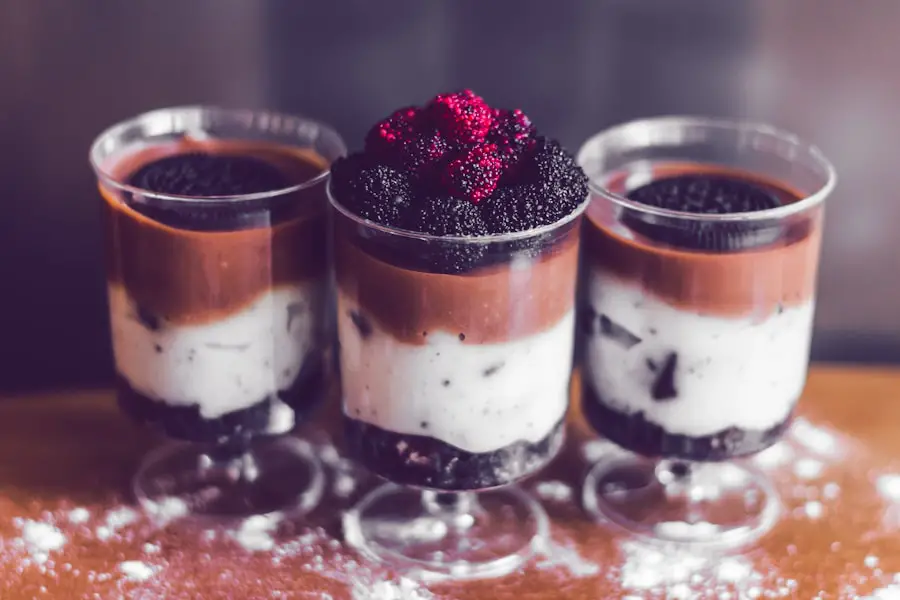
The rich flavors of sticky toffee pudding call for thoughtful drink pairings that complement its sweetness without overwhelming it. A classic choice is a robust cup of English breakfast tea; its tannins cut through the richness of the pudding while enhancing its comforting qualities. For those who prefer something stronger, a glass of tawny port or sherry can provide an excellent match; their nutty undertones and sweetness harmonize beautifully with the caramel notes in both the pudding and its sauce.
Craft beer enthusiasts might opt for a rich stout or porter; these dark beers often feature chocolate and coffee notes that can enhance the dessert’s flavors while providing a refreshing contrast. Alternatively, for a non-alcoholic option, consider pairing sticky toffee pudding with a spiced apple cider or ginger ale; both beverages offer warmth and spice that complement the dessert’s profile without competing with its sweetness.
Healthier Alternatives for Sticky Toffee Pudding
As awareness around health and nutrition continues to grow, many home bakers are seeking healthier alternatives to traditional sticky toffee pudding without sacrificing flavor. One approach involves reducing sugar content by using natural sweeteners such as maple syrup or honey instead of brown sugar. These alternatives not only lower refined sugar intake but also add unique flavors that can enhance the overall taste experience.
Another strategy is to incorporate whole grains into the recipe by using whole wheat flour instead of all-purpose flour. This substitution increases fiber content while maintaining moisture in the pudding. Additionally, replacing some or all of the butter with healthier fats like coconut oil or avocado can create a lighter version without compromising on richness.
For those looking for lower-calorie options, experimenting with portion sizes or serving smaller individual portions can allow for indulgence without overindulgence.
Tips for Making the Best Sticky Toffee Pudding
Creating an exceptional sticky toffee pudding requires attention to detail and some insider tips that can elevate your baking game. First and foremost, ensure that your dates are fresh; using dried-out dates can lead to a less flavorful pudding. Soaking them in boiling water not only softens them but also helps release their natural sugars into the batter.
When mixing your ingredients, avoid overmixing once you add the flour; this can lead to a dense texture rather than the light sponge desired in sticky toffee pudding. Instead, gently fold in the dry ingredients until just combined for optimal results. Additionally, consider baking your pudding in a water bath; this technique helps maintain moisture during baking and prevents uneven cooking.
Lastly, allow your pudding to rest for a few minutes after baking before serving; this helps it set up slightly and makes it easier to slice if you’re serving it in portions rather than as individual servings. By following these tips and embracing creativity in your approach, you can craft a sticky toffee pudding that delights both you and your guests with every bite.
Sticky toffee pudding, a classic British dessert known for its rich, moist sponge cake made with finely chopped dates and covered in a luscious toffee sauce, is a treat that warms the soul. If you’re interested in exploring more delightful recipes, you might enjoy reading about another indulgent creation, the Roasted Strawberry Milkshake with Buttermilk. This article offers a unique twist on a classic milkshake, combining the sweetness of roasted strawberries with the tanginess of buttermilk, creating a refreshing and satisfying beverage that pairs beautifully with the comforting flavors of sticky toffee pudding.
FAQs
What is sticky toffee pudding?
Sticky toffee pudding is a British dessert consisting of a moist sponge cake made with dates, covered in a toffee sauce and often served with vanilla ice cream or custard.
Where did sticky toffee pudding originate?
Sticky toffee pudding is believed to have originated in the United Kingdom, with the first recorded recipe dating back to the 1970s.
What are the main ingredients in sticky toffee pudding?
The main ingredients in sticky toffee pudding include dates, flour, sugar, eggs, butter, and a toffee sauce made from brown sugar, butter, and cream.
How is sticky toffee pudding traditionally served?
Sticky toffee pudding is traditionally served warm, often with a generous drizzle of toffee sauce and a side of vanilla ice cream or custard.
Is sticky toffee pudding gluten-free?
Sticky toffee pudding is not typically gluten-free, as it is made with flour. However, there are gluten-free versions available using alternative flours such as almond or coconut flour.
Can sticky toffee pudding be made in advance?
Yes, sticky toffee pudding can be made in advance and stored in the refrigerator for a few days. It can also be frozen for longer storage and reheated when ready to serve.