

Bread pudding has a rich and storied history that dates back to ancient times, with its origins often traced to the need for frugality and resourcefulness in the kitchen. The earliest known recipes for bread pudding can be found in medieval Europe, where stale bread was a common problem. In an era when food waste was not an option, cooks began to repurpose leftover bread by soaking it in milk or water, adding sweeteners, and baking it into a custard-like dish.
This practice not only minimized waste but also transformed what would have been discarded into a delicious and satisfying meal. As bread pudding evolved, it became a staple in various cultures, each adding its unique twist to the dish. In England, for instance, bread pudding was often enriched with spices, dried fruits, and sometimes even alcohol, reflecting the culinary preferences of the time.
The dish gained popularity among the working class as a hearty dessert that could be made with minimal ingredients. Meanwhile, in the United States, bread pudding took on regional characteristics, influenced by local ingredients and traditions. Southern variations often include flavors like bourbon and pecans, while New Orleans is famous for its rich bread pudding served with a whiskey sauce.
This adaptability has allowed bread pudding to endure through centuries, making it a beloved comfort food across generations.
Key Takeaways
- Bread pudding has a long history dating back to the 11th century, when it was first mentioned in a recipe by a medieval scribe.
- The basic ingredients for bread pudding include stale bread, milk, eggs, sugar, and spices, but there are countless variations that can incorporate fruits, nuts, chocolate, and more.
- To make the perfect bread pudding, it’s important to use the right type of bread, soak it in the custard mixture for the right amount of time, and bake it at the correct temperature to achieve a creamy yet firm texture.
- Bread pudding can be served in individual ramekins, topped with a dollop of whipped cream or a drizzle of caramel sauce, or presented in a decorative dish for a more elegant presentation.
- While bread pudding may not be the healthiest dessert option, it can provide comfort and satisfaction, and can be made with healthier ingredients like whole grain bread and reduced sugar.
Ingredients and Variations
The beauty of bread pudding lies in its versatility, allowing cooks to experiment with a wide array of ingredients. At its core, the basic components include stale bread, milk or cream, eggs, sugar, and flavorings such as vanilla or cinnamon. However, the choice of bread can significantly impact the final product; brioche or challah can yield a richer texture, while whole grain or sourdough can add depth and complexity.
The type of milk or cream used also plays a crucial role; for instance, using heavy cream will create a denser and creamier pudding compared to whole milk. Beyond the foundational ingredients, variations abound based on personal preferences and regional influences. For example, many recipes incorporate fruits such as raisins, apples, or bananas to add natural sweetness and moisture.
Nuts like walnuts or almonds can provide a delightful crunch, while chocolate chips or caramel can elevate the dessert to new heights of indulgence. Savory versions also exist, where ingredients like cheese, herbs, and vegetables transform bread pudding into a main course rather than a dessert. This adaptability makes it easy for home cooks to tailor their bread pudding to suit any occasion or palate.
Tips for Making the Perfect Bread Pudding
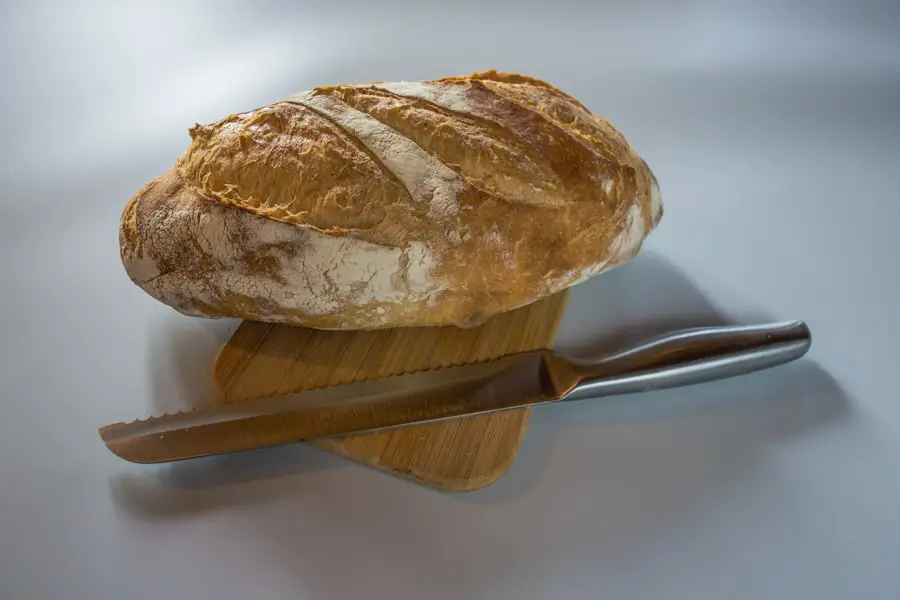
Creating the perfect bread pudding requires attention to detail and a few key techniques that can elevate the dish from ordinary to extraordinary. One essential tip is to use stale bread; fresh bread can lead to a soggy texture that detracts from the overall experience. Ideally, bread should be left out overnight to dry out or toasted lightly before being combined with the custard mixture.
This step ensures that the bread absorbs just the right amount of liquid without becoming overly mushy. Another important aspect is the custard mixture itself. Achieving the right balance of eggs and dairy is crucial for a creamy texture.
A common ratio is one egg for every cup of liquid; however, adjusting this based on personal preference can yield different results. Additionally, allowing the assembled pudding to rest for at least 30 minutes before baking gives the bread time to soak up the custard fully. This resting period enhances flavor integration and ensures even cooking throughout.
Finally, baking at a lower temperature allows for gentle cooking, preventing the edges from becoming overly browned while ensuring that the center sets perfectly.
Serving and Presentation Ideas
| Idea | Description |
|---|---|
| Garnish with Fresh Herbs | Add a pop of color and freshness to your dish by garnishing with fresh herbs like parsley, cilantro, or basil. |
| Use Colorful Plating | Enhance the visual appeal of your dish by using colorful plates and arranging the food in an aesthetically pleasing manner. |
| Edible Flowers | Add a touch of elegance to your presentation by incorporating edible flowers such as pansies or nasturtiums. |
| Layered Serving | Create visual interest by serving your dish in layers, such as a parfait or a trifle, to showcase the different components. |
| Artistic Sauces | Elevate your plating by using artistic techniques to drizzle or swirl sauces on the plate for a professional touch. |
When it comes to serving bread pudding, presentation can elevate this humble dish into something truly special. One popular method is to serve it warm with a drizzle of sauce—such as caramel, chocolate ganache, or a rich bourbon sauce—over the top. This not only adds visual appeal but also enhances the flavor profile with complementary sweetness.
For an elegant touch, consider dusting the finished pudding with powdered sugar or garnishing it with fresh berries or mint leaves.
This approach not only makes for easy portion control but also allows for varied toppings on each serving.
For instance, one could top some with whipped cream while others might be adorned with a scoop of ice cream or a dollop of crème fraîche. Additionally, serving bread pudding alongside a warm beverage like coffee or spiced tea can create a comforting experience that invites guests to linger at the table.
Health Benefits of Bread Pudding
While often considered a decadent treat, bread pudding can also offer some health benefits depending on its ingredients and preparation methods. For instance, using whole grain bread increases fiber content, which is beneficial for digestive health and can help maintain stable blood sugar levels. Incorporating fruits such as apples or berries not only adds natural sweetness but also provides essential vitamins and antioxidants that contribute to overall well-being.
Moreover, by controlling the amount of sugar and fat used in the recipe, one can create a lighter version of this classic dish without sacrificing flavor. Substituting ingredients like almond milk for cream or using less sugar can make bread pudding a more health-conscious option. Additionally, adding nuts can introduce healthy fats and protein into the mix, making it more satisfying and nutritious.
When enjoyed in moderation as part of a balanced diet, bread pudding can be both a comforting indulgence and a source of nourishment.
Bread Pudding Around the World
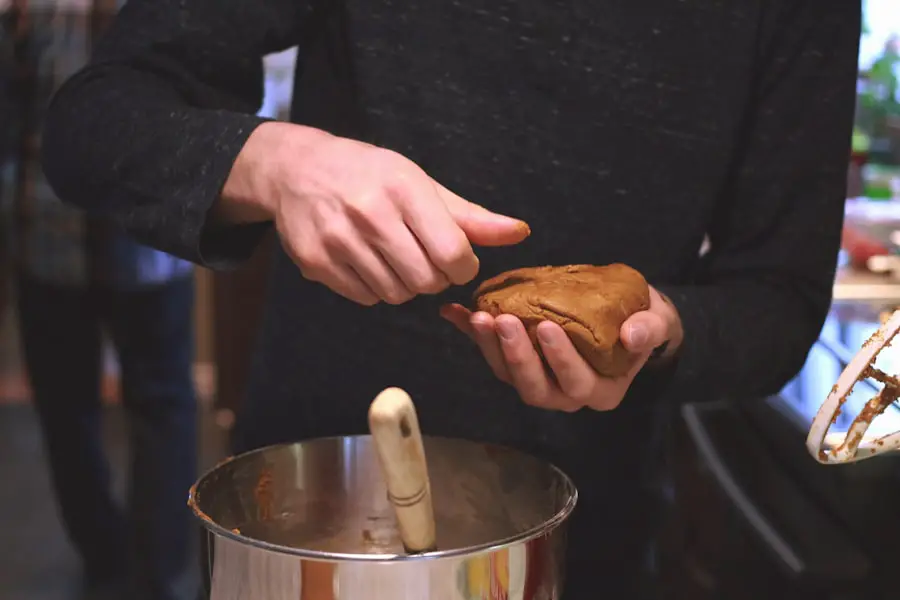
Bread pudding is not confined to any single culture; rather, it has taken on various forms across different countries and regions. In France, for example, “pain perdu,” which translates to “lost bread,” is a traditional dish made from stale baguettes soaked in milk and eggs before being fried or baked. This French version often features flavors like orange zest or vanilla and is typically served as a breakfast item or dessert.
In contrast, in Puerto Rico, “budín de pan” is a popular variation that incorporates coconut milk and spices such as cinnamon and nutmeg. This tropical twist reflects the island’s culinary heritage and often includes raisins or other dried fruits for added sweetness. Similarly, in Italy, “pudding di pane” showcases regional ingredients like ricotta cheese and citrus zest, creating a unique take on this classic dish.
Each cultural interpretation of bread pudding highlights local flavors and traditions while maintaining the core concept of transforming stale bread into something delightful.
Bread Pudding as a Dessert or Breakfast
The versatility of bread pudding extends beyond its ingredients; it can seamlessly transition from dessert to breakfast depending on how it is prepared and served. As a dessert, it is often enriched with sweet flavors like chocolate or caramel and served warm with sauces or ice cream.
Conversely, when prepared with less sugar and more wholesome ingredients like fruits and nuts, bread pudding can easily serve as a hearty breakfast option. A slice of warm bread pudding paired with fresh fruit or yogurt can provide a satisfying start to the day without feeling overly indulgent. Some people even enjoy it cold from the refrigerator as a quick grab-and-go breakfast option during busy mornings.
This duality makes bread pudding an incredibly versatile dish that can cater to various dining occasions.
Bread Pudding: A Timeless Comfort Food
Ultimately, what makes bread pudding truly special is its status as a timeless comfort food that resonates with people across generations and cultures. Its humble beginnings as a way to reduce waste have transformed into a beloved dish that evokes feelings of nostalgia and warmth. Whether enjoyed at family gatherings or as a late-night snack, bread pudding has an innate ability to bring people together around the table.
The emotional connection many have with this dish is often tied to memories of home-cooked meals shared with loved ones. The aroma of baking bread pudding wafting through the house can evoke feelings of comfort and security that are hard to replicate with other desserts. As culinary trends continue to evolve, bread pudding remains steadfast in its appeal—an enduring symbol of resourcefulness and creativity in cooking that continues to delight palates around the world.
If you’re a fan of classic desserts like bread pudding, you might also enjoy exploring other delightful treats such as mini pineapple upside-down cakes. These individual-sized cakes offer a perfect balance of sweet and tangy flavors, making them a great alternative or complement to the rich, comforting taste of bread pudding. For a detailed recipe and tips on how to make these delicious cakes, check out this article on mini pineapple upside-down cakes. Whether you’re hosting a dinner party or simply indulging in a sweet treat, these cakes are sure to impress.
FAQs
What is bread pudding?
Bread pudding is a popular dessert made from stale or leftover bread, mixed with eggs, milk, sugar, and spices. It is then baked until it forms a custard-like consistency.
What type of bread is used for bread pudding?
Bread pudding can be made with a variety of breads, including white, whole wheat, brioche, challah, or even croissants. Stale or day-old bread is often preferred as it absorbs the custard mixture better.
What are common additions to bread pudding?
Common additions to bread pudding include raisins, dried fruits, nuts, chocolate chips, and various spices such as cinnamon, nutmeg, or vanilla extract.
How is bread pudding served?
Bread pudding is often served warm, either on its own or with a sauce such as vanilla custard, caramel, or whiskey sauce. It can also be topped with whipped cream or a scoop of ice cream.
Is bread pudding a healthy dessert option?
Bread pudding is a rich and indulgent dessert, typically high in calories, sugar, and fat due to the use of eggs, milk, and sugar. While it can be enjoyed in moderation, it may not be considered a healthy dessert option.