

Rice pudding is a timeless dessert that has transcended cultures and generations, offering a comforting blend of flavors and textures that evoke nostalgia and warmth. This dish, often associated with home cooking, has roots that can be traced back to ancient civilizations, where rice was a staple food. The simplicity of rice pudding lies in its basic ingredients—rice, milk, sugar, and spices—yet it can be transformed into a luxurious treat with the addition of various flavorings and toppings.
Its creamy consistency and sweet undertones make it a beloved choice for both children and adults alike.
It can be served warm or chilled, making it suitable for any season or occasion.
In many cultures, rice pudding is not just a dessert but also a symbol of celebration and comfort. For instance, in the United States, it often graces holiday tables, while in other parts of the world, such as India and the Middle East, it is prepared during festivals and special gatherings. This article will delve into the essential components of creating the ultimate rice pudding, providing a comprehensive guide to crafting this delightful dish from scratch.
Key Takeaways
- Rice pudding is a classic and comforting dessert that is enjoyed in many cultures around the world.
- The ultimate rice pudding requires simple ingredients such as rice, milk, sugar, and vanilla, but can be customized with add-ins like cinnamon, nutmeg, or raisins.
- Making rice pudding involves cooking rice in milk and sugar until it reaches a creamy consistency, and then adding vanilla for flavor.
- To achieve the perfect creamy texture, it’s important to stir the rice pudding frequently and cook it over low heat to prevent scorching.
- Rice pudding can be customized with various add-ins such as fruits, nuts, or chocolate, and can be served warm or chilled, making it a versatile dessert option.
Ingredients for the Ultimate Rice Pudding
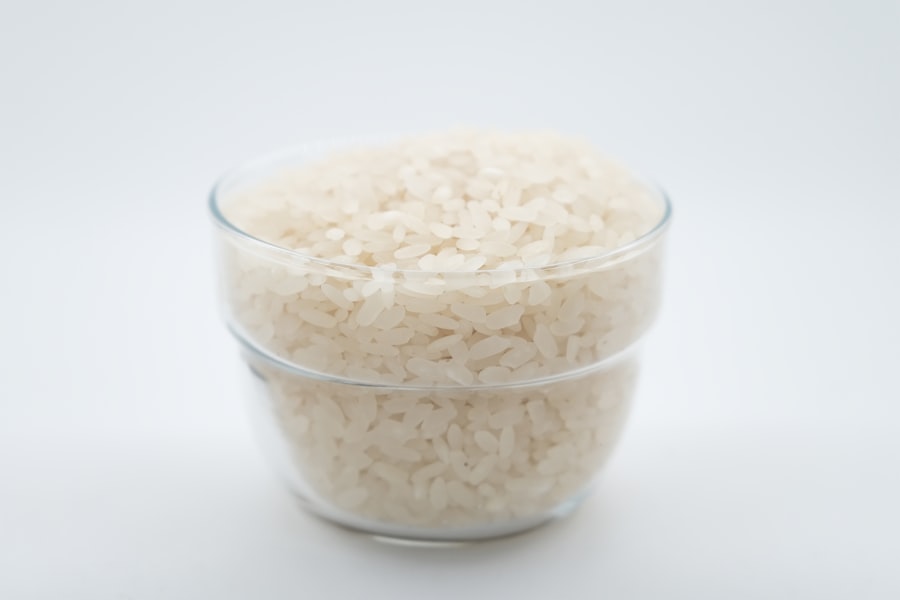
To create the ultimate rice pudding, selecting high-quality ingredients is paramount. The foundation of this dish is, of course, the rice itself. Short-grain rice varieties, such as Arborio or sushi rice, are ideal due to their higher starch content, which contributes to the creamy texture that defines a perfect rice pudding.
The choice of milk is equally important; whole milk is often preferred for its richness, but alternatives like coconut milk or almond milk can be used for a dairy-free version. In addition to rice and milk, sugar plays a crucial role in balancing the flavors.
Granulated sugar is commonly used, but brown sugar or maple syrup can add depth and complexity to the sweetness. Flavorings such as vanilla extract or cinnamon are traditional additions that enhance the overall taste profile. For those looking to elevate their rice pudding further, consider incorporating citrus zest or cardamom for an aromatic twist.
Finally, a pinch of salt is essential; it not only enhances the sweetness but also rounds out the flavors beautifully.
Step-by-Step Instructions for Making Rice Pudding
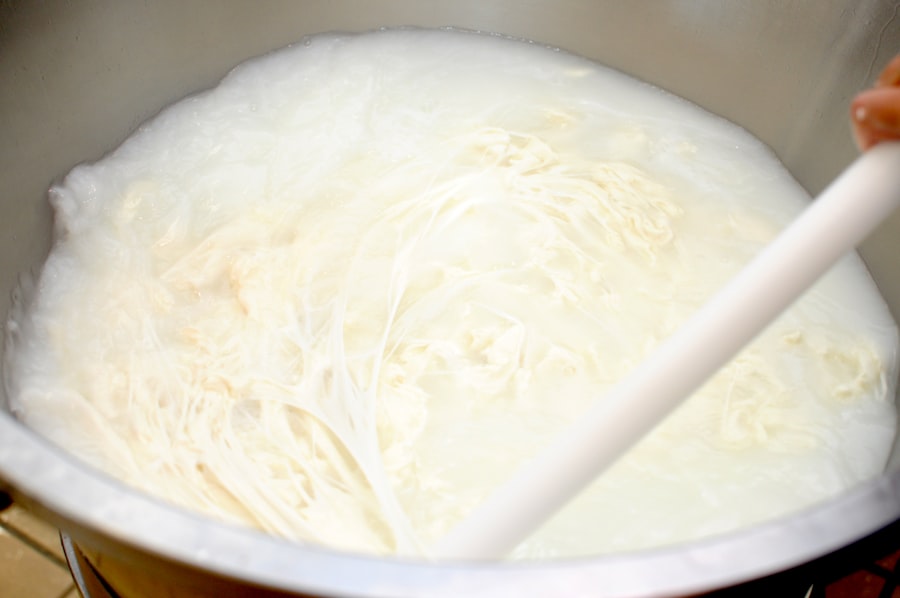
Making rice pudding from scratch is a straightforward process that requires minimal equipment and time. Begin by rinsing one cup of short-grain rice under cold water until the water runs clear. This step removes excess starch and prevents the rice from becoming overly sticky during cooking.
In a medium saucepan, combine the rinsed rice with four cups of milk—whole milk is recommended for its creaminess—and bring the mixture to a gentle boil over medium heat. Once boiling, reduce the heat to low and add half a cup of granulated sugar along with a pinch of salt. Stir the mixture well to ensure that the sugar dissolves completely.
Allow the rice to simmer uncovered for about 30 to 40 minutes, stirring occasionally to prevent sticking. As the rice cooks, it will absorb the milk and release its starches, creating a thick and creamy consistency. When the rice is tender and has absorbed most of the liquid, remove the saucepan from heat and stir in one teaspoon of vanilla extract and any additional flavorings you desire.
Tips for Perfecting the Creamy Texture
| Tip | Description |
|---|---|
| Use High-Fat Cream | Using heavy cream with a high fat content will result in a creamier texture. |
| Whip at Low Speed | Whipping the cream at a low speed will help prevent over-whipping and result in a smoother texture. |
| Chill the Bowl and Whisk | Chilling the bowl and whisk before whipping the cream will help it hold its shape and create a creamy texture. |
| Don’t Over-Whip | Over-whipping the cream can result in a grainy texture, so stop whipping once it reaches stiff peaks. |
Achieving the perfect creamy texture in rice pudding requires attention to detail during the cooking process. One key tip is to maintain a low simmer rather than a rolling boil; this gentle heat allows the rice to cook evenly without becoming mushy. Stirring frequently is also crucial; it not only prevents sticking but encourages even absorption of the milk by the rice grains.
If you find that your pudding is too thick during cooking, you can always add a splash more milk to reach your desired consistency. Another technique to enhance creaminess is to let the pudding rest after cooking. Once you’ve removed it from heat, cover the saucepan with a lid and allow it to sit for about 10 minutes.
This resting period allows the flavors to meld together while also giving the pudding time to thicken slightly as it cools. For an extra touch of decadence, consider stirring in a tablespoon of butter at this stage; it will add richness and a velvety mouthfeel that elevates your rice pudding to new heights.
Variations and Add-Ins for Customizing Your Rice Pudding
While traditional rice pudding is delightful on its own, there are countless variations and add-ins that can personalize this dish to suit your taste preferences. For those who enjoy fruit flavors, consider adding dried fruits such as raisins or apricots during the cooking process. Fresh fruits like berries or sliced bananas can be folded in just before serving for a burst of freshness.
Nuts such as almonds or pistachios can also provide a satisfying crunch when sprinkled on top. For chocolate lovers, incorporating cocoa powder or chocolate chips into your rice pudding can create an indulgent dessert that satisfies any sweet tooth. Alternatively, experimenting with spices can yield exciting results; try adding nutmeg or ginger for a warm flavor profile that complements the sweetness of the dish.
If you’re feeling adventurous, consider infusing your milk with herbal notes by steeping fresh mint or basil leaves before adding them to the rice—this unexpected twist can create a refreshing take on classic rice pudding.
Serving Suggestions and Pairings
Rice pudding can be served in various ways, making it an adaptable dessert for any occasion. For an elegant presentation, consider serving individual portions in small glass jars or ramekins, garnished with a sprinkle of cinnamon or a dollop of whipped cream. A drizzle of caramel sauce or honey can add an extra layer of sweetness and visual appeal.
For those who prefer a more rustic approach, simply ladle the pudding into bowls and top with your favorite fruits or nuts. Pairing rice pudding with complementary flavors can enhance the overall dining experience. A cup of spiced chai or coffee can provide a delightful contrast to the creamy sweetness of the pudding.
Alternatively, serving it alongside a tart fruit compote can create an exciting balance between sweet and tangy flavors. For those who enjoy a bit of crunch, consider offering biscotti or shortbread cookies on the side for dipping.
Storing and Reheating Leftover Rice Pudding
If you find yourself with leftover rice pudding—a common occurrence given its rich nature—proper storage is essential to maintain its quality. Allow the pudding to cool completely before transferring it to an airtight container. It can be stored in the refrigerator for up to four days; however, keep in mind that it may thicken as it sits due to continued absorption of moisture by the rice.
When reheating leftover rice pudding, it’s best to do so gently to avoid altering its texture. Place the desired portion in a saucepan over low heat and add a splash of milk to loosen it up as it warms. Stir frequently until heated through; this method helps restore some creaminess while preventing scorching on the bottom of the pan.
Alternatively, you can reheat individual servings in the microwave; just be sure to cover them with a damp paper towel to retain moisture.
Conclusion and Final Thoughts on the Ultimate Rice Pudding Recipe
Rice pudding stands as a testament to comfort food at its finest—a simple yet satisfying dessert that invites creativity and personalization. With its rich history and cultural significance across various cuisines, this dish continues to resonate with people around the world. By following the steps outlined in this article and experimenting with different ingredients and flavors, anyone can master the art of making delicious rice pudding at home.
Whether enjoyed warm on a chilly evening or chilled as a refreshing treat during warmer months, rice pudding offers endless possibilities for customization and enjoyment. From classic recipes passed down through generations to modern twists that incorporate global flavors, this dessert remains an enduring favorite that brings joy to countless tables worldwide. Embrace your culinary creativity and indulge in crafting your ultimate version of this beloved dish—after all, there’s nothing quite like homemade rice pudding to evoke feelings of nostalgia and comfort.
Rice pudding, a classic and comforting dessert, often evokes memories of cozy family gatherings and warm kitchens. Its creamy texture and sweet flavor make it a favorite for many. If you’re interested in exploring more delightful recipes that combine creaminess with unique flavors, you might enjoy reading about a dish that pairs creamy gorgonzola with the sweetness of apples and the crunch of pecans. This intriguing combination can be found in the article on Creamy Gorgonzola Farfalle with Apples & Pecans. This recipe offers a savory twist that complements the comforting nature of rice pudding, providing a perfect balance of flavors for any meal.
FAQs
What is rice pudding?
Rice pudding is a creamy dessert made from rice, milk, sugar, and often flavored with vanilla, cinnamon, or other spices.
How is rice pudding made?
Rice pudding is typically made by cooking rice in milk and sugar until it becomes thick and creamy. It is often flavored with vanilla, cinnamon, or other spices.
What are the variations of rice pudding?
There are many variations of rice pudding around the world, with different ingredients and flavorings. Some popular variations include arroz con leche in Latin America, kheer in South Asia, and riz au lait in France.
Is rice pudding gluten-free?
Rice pudding is naturally gluten-free, as it is made from rice and milk. However, it is important to check the ingredients of any flavorings or add-ins to ensure they are also gluten-free.
Is rice pudding healthy?
Rice pudding can be a healthy dessert option when made with low-fat milk and minimal added sugar. It provides some protein and calcium from the milk, and energy from the rice.
How is rice pudding served?
Rice pudding can be served warm or cold, and is often topped with a sprinkle of cinnamon, nutmeg, or fruit. It can also be served with a dollop of whipped cream or a drizzle of caramel sauce.