

Baklava, a rich and sweet pastry made of layers of filo dough, nuts, and honey or syrup, has a history that is as layered as its ingredients. The origins of baklava are often debated, with various cultures claiming it as their own. Some historians trace its roots back to the Assyrians, who are believed to have created a similar dish around the 8th century B.They would bake layers of dough with nuts and honey, a precursor to what we now recognize as baklava.
However, it was during the Ottoman Empire that baklava truly flourished and became a staple in the culinary repertoire of the region. The Ottomans refined baklava into the delicacy we know today, incorporating a variety of nuts such as pistachios, walnuts, and almonds, along with fragrant spices like cinnamon and cloves. The pastry was often reserved for special occasions and served in the imperial courts, symbolizing wealth and hospitality.
As the Ottoman Empire expanded, so too did the popularity of baklava, spreading across the Middle East, North Africa, and into Eastern Europe. Each region adapted the recipe to reflect local tastes and available ingredients, leading to a rich tapestry of variations that exist today.
Key Takeaways
- Baklava originated in the Ottoman Empire and has a long history dating back to the 8th century.
- The traditional ingredients for baklava include phyllo dough, nuts, and a sweet syrup made from sugar, water, and lemon juice.
- Baklava can be made with a variety of fillings, including pistachios, walnuts, almonds, and even savory ingredients like cheese or meat.
- Regional variations of baklava can be found throughout the Middle East, Balkans, and Mediterranean, with each region adding its own unique twist to the classic dessert.
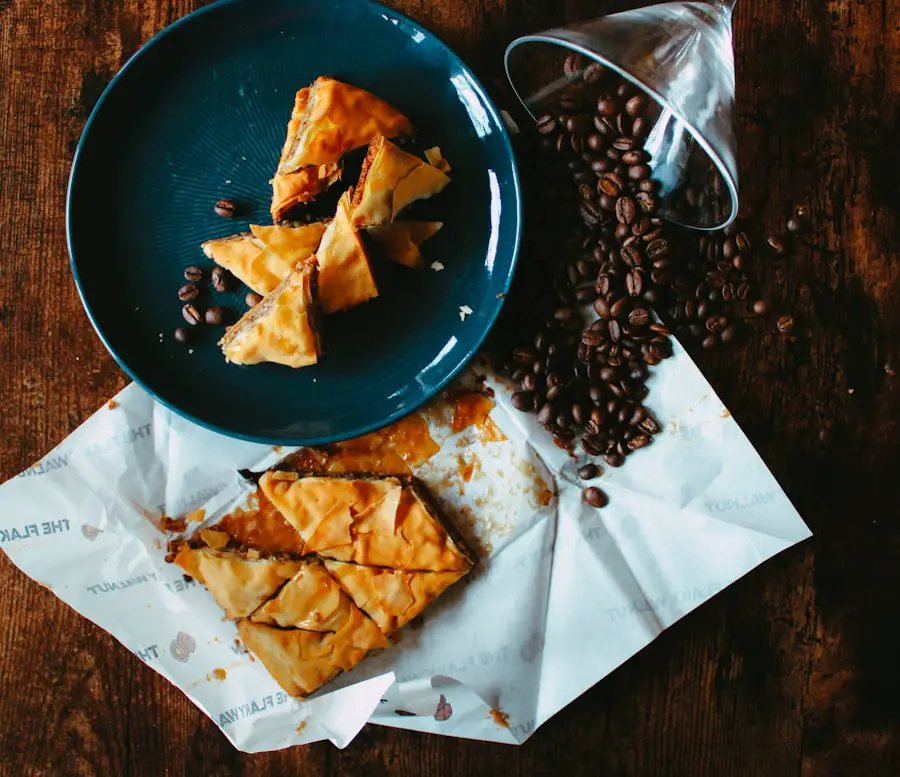
- Baklava pairs well with a variety of beverages, including coffee, tea, and even wine, enhancing the flavors of the dessert.
The Ingredients and Preparation of Baklava
The preparation of baklava is an art form that requires precision and patience. The primary ingredients include filo dough, which is thin sheets of unleavened flour dough, a mixture of finely chopped nuts, sugar, butter, and a sweet syrup made from honey or sugar. The choice of nuts can vary widely; while pistachios are favored in Turkey, walnuts are more common in Greece.
The use of spices such as cinnamon can also enhance the flavor profile, adding warmth and depth to the dish. To prepare baklava, one must first layer sheets of filo dough in a baking dish, brushing each layer with melted butter to ensure a crisp texture. After several layers have been stacked, a generous layer of the nut mixture is spread evenly over the top.
This process is repeated until all ingredients are used, typically finishing with several layers of filo on top. Once assembled, baklava is cut into diamond or square shapes before being baked until golden brown. The final touch involves pouring a hot syrup over the baked pastry, allowing it to soak in and create that signature sticky sweetness that defines baklava.
The Sweet and Savory Flavors of Baklava
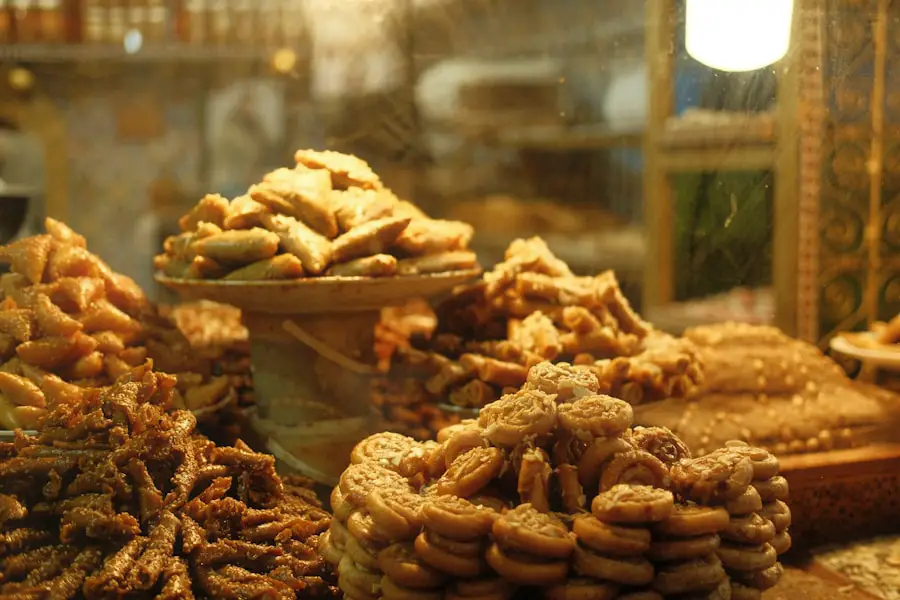
Baklava is renowned for its unique combination of sweet and savory flavors that tantalize the palate. The sweetness primarily comes from the syrup, which is often infused with lemon juice or rosewater to add a refreshing contrast to the richness of the nuts and butter. This balance is crucial; too much sweetness can overwhelm the dish, while too little can leave it lacking in flavor. The use of high-quality ingredients plays a significant role in achieving this harmony.
The nuts themselves contribute not only texture but also a savory element that complements the sweetness.
Additionally, spices like cinnamon introduce warmth and complexity, enhancing the overall flavor profile. This interplay between sweet and savory is what makes baklava an irresistible treat for many.
Regional Variations of Baklava
| Region | Ingredients | Shape | Sweetness Level |
|---|---|---|---|
| Turkey | Walnuts, pistachios | Diamond-shaped | Medium |
| Greece | Almonds, walnuts | Triangle-shaped | High |
| Lebanon | Pistachios, cashews | Rectangle-shaped | Low |
As baklava traveled across borders and cultures, it evolved into numerous regional variations that reflect local traditions and preferences. In Turkey, for example, baklava is often made with finely ground pistachios and flavored with rosewater or orange blossom water. Turkish baklava is typically lighter and flakier due to the use of high-quality filo dough and precise layering techniques.
In Greece, on the other hand, baklava tends to be denser and richer, often incorporating walnuts as the primary nut choice. Greek baklava is frequently flavored with cinnamon and clove, giving it a distinct aromatic quality. Additionally, it may be drizzled with a syrup made from honey and sugar that has been boiled with lemon juice for added tanginess.
Middle Eastern countries also have their own interpretations of baklava. In Lebanon, for instance, baklava may include a variety of nuts such as almonds and cashews, often topped with a sprinkle of ground pistachios for garnish. The Lebanese version is known for its generous use of syrup and sometimes features additional flavorings like orange blossom water or mastic resin for an aromatic twist.
Pairing Baklava with Beverages
The enjoyment of baklava can be greatly enhanced by pairing it with complementary beverages that balance its rich flavors. Traditional pairings often include strong coffee or tea; in Turkey, for example, baklava is commonly served alongside Turkish coffee. The boldness of the coffee cuts through the sweetness of the pastry while enhancing its nutty flavors.
In Greece, it is not uncommon to enjoy baklava with a glass of sweet dessert wine or ouzo. The anise notes in ouzo can provide an interesting contrast to the sweet layers of baklava, while dessert wines like Muscat or Samos wine offer a fruity complement that enhances the overall experience. For those who prefer non-alcoholic options, herbal teas infused with mint or chamomile can also serve as refreshing accompaniments that cleanse the palate between bites.
Baklava as a Cultural Symbol
Celebrations and Hospitality in Turkey
In Turkey, baklava is often associated with special occasions like weddings and religious holidays such as Ramadan. It embodies the values of hospitality and generosity when served to guests, reflecting the importance of sharing food within Turkish culture.
A Symbol of Family and Tradition in Greece
Similarly, in Greece, baklava holds a place of honor during festive gatherings and family celebrations. It is often prepared in large quantities to share among friends and family during holidays like Christmas or Easter. The act of making baklava can also be a communal activity where family members come together to prepare this beloved dessert, reinforcing bonds and traditions.
A National Pride in Middle Eastern Cultures
In Middle Eastern cultures, baklava represents not only culinary heritage but also national pride. Each country boasts its own unique recipe and method of preparation, leading to friendly rivalries over who makes the best baklava. This pastry has become emblematic of cultural identity and continuity across generations.
Tips for Making and Serving Baklava
Creating perfect baklava at home requires attention to detail and some insider tips to ensure success. One crucial aspect is to keep the filo dough covered with a damp cloth while working; this prevents it from drying out and becoming brittle. When layering the dough, it’s essential to brush each sheet generously with melted butter to achieve that signature flaky texture.
Another tip involves allowing the baked baklava to rest after pouring on the syrup; this resting period allows the syrup to fully absorb into the layers without making them soggy. For serving, consider garnishing with crushed nuts or a dusting of powdered sugar for an appealing presentation. Additionally, serving baklava at room temperature allows its flavors to shine through more vividly than when served cold.
When it comes to portioning baklava for serving, cutting it into smaller pieces can make it more manageable for guests while also allowing them to savor each bite without feeling overwhelmed by its richness. Pairing it with fresh fruits or yogurt can also provide a refreshing contrast that enhances the overall experience.
Where to Find the Best Baklava
Finding exceptional baklava can be an adventure in itself, as many bakeries and restaurants take pride in their unique recipes and preparation methods. In cities with rich culinary traditions such as Istanbul or Athens, one can find numerous establishments specializing in this beloved pastry. Local markets often feature vendors selling freshly made baklava that showcases regional ingredients and flavors.
In addition to traditional bakeries, many Middle Eastern restaurants offer their own versions of baklava on their dessert menus. These establishments often use family recipes passed down through generations, ensuring authenticity in flavor and preparation techniques.
Online platforms have also made it easier to discover exceptional baklava from various regions without leaving home. Many bakeries now offer shipping options for their products, allowing enthusiasts to sample authentic baklava from different cultures right at their doorstep. Whether enjoyed at a local café or ordered online from a renowned bakery, indulging in baklava remains an experience worth savoring.
If you’re a fan of Baklava, you may also enjoy learning about a delicious recipe for Citrus Ginger Tofu Salad with Buckwheat Soba Noodles. This refreshing and flavorful dish combines the zesty flavors of citrus and ginger with the heartiness of tofu and buckwheat noodles. It’s a perfect option for a light and satisfying meal. Check out the recipe here.
FAQs
What is Baklava?
Baklava is a rich, sweet pastry made of layers of filo filled with chopped nuts and sweetened with syrup or honey. It is a popular dessert in many countries in the Middle East, Mediterranean, and Central Asia.
What are the main ingredients in Baklava?
The main ingredients in Baklava include filo pastry, chopped nuts (such as walnuts, pistachios, or almonds), butter, and a sweet syrup made from sugar, water, and sometimes honey and lemon juice.
Where did Baklava originate?
Baklava is believed to have originated in the imperial kitchens of the Topkapı Palace in Istanbul, Turkey during the Ottoman Empire. However, its exact origins are debated, and it is also popular in many other countries in the region.
How is Baklava traditionally served?
Baklava is traditionally served as a dessert, often accompanied by a cup of Turkish coffee or tea. It is also commonly enjoyed during special occasions and celebrations.
Is Baklava vegan or gluten-free?
Baklava is not typically vegan, as it contains butter and honey. It is also not gluten-free, as it is made with filo pastry, which contains wheat flour. However, there are vegan and gluten-free versions of Baklava available using alternative ingredients.