

The history of mooncakes is deeply intertwined with the cultural and historical fabric of China, dating back over a thousand years. The earliest records of mooncakes can be traced to the Tang Dynasty (618-907 AD), where they were initially used as offerings to the moon during the Mid-Autumn Festival, a time when families would gather to celebrate the harvest and appreciate the beauty of the full moon. These early mooncakes were quite different from what we know today; they were often simple pastries filled with various ingredients, reflecting the agricultural bounty of the season.
As the festival gained popularity, so did the mooncake, evolving into a symbol of reunion and harmony among families. During the Yuan Dynasty (1271-1368 AD), mooncakes took on a more significant role in Chinese history. It is said that they were used as a means of communication among rebels who sought to overthrow the Mongol rulers.
Messages were hidden inside the cakes, allowing for covert planning of uprisings. This historical anecdote not only highlights the mooncake’s importance as a cultural artifact but also its role in Chinese resistance and unity. Over time, mooncakes became more elaborate, with intricate designs and a variety of fillings, reflecting regional tastes and preferences.
By the Ming Dynasty (1368-1644 AD), mooncakes had solidified their place in Chinese culture, becoming a staple during the Mid-Autumn Festival and a cherished gift exchanged among friends and family.
Key Takeaways
- Mooncakes have a long history dating back to ancient China, where they were used as a means of communication and later became associated with the Mid-Autumn Festival.
- Traditional mooncake ingredients include lotus seed paste, salted egg yolk, and various nuts, with flavors such as red bean and black sesame being popular choices.
- Modern variations of mooncakes include snow skin mooncakes, ice cream mooncakes, and even savory options like truffle and foie gras fillings.
- When choosing the perfect mooncake, consider the type of filling, the thickness of the crust, and the overall presentation and packaging.
- Mooncakes can be paired with a variety of beverages such as tea, wine, and even champagne, enhancing the overall experience of enjoying them during the Mid-Autumn Festival.
Traditional Ingredients and Flavors
Regional Variations in Mooncake Fillings
The most common type of mooncake is the Cantonese-style mooncake, characterized by a thin, tender crust and typically filled with lotus seed paste or red bean paste. These fillings are often sweetened with sugar and may include salted egg yolks, which add a savory contrast to the sweetness. The salted egg yolk symbolizes the full moon and is a popular choice for those seeking a more complex flavor profile.
Other Traditional Fillings and Crusts
In addition to lotus seed and red bean pastes, other traditional fillings include black sesame paste, mixed nuts, and even fruit preserves. The Suzhou-style mooncake, for instance, is known for its flaky crust and is often filled with sweetened jujube paste or a combination of nuts and dried fruits. Meanwhile, the Beijing-style mooncake features a thicker crust and is typically filled with sweetened red bean paste or a combination of sweet and savory ingredients.
A Reflection of China’s Rich Agricultural Heritage
The diversity in flavors reflects not only regional preferences but also the rich agricultural heritage of China, where local ingredients play a significant role in culinary traditions.
Modern Variations and Innovations
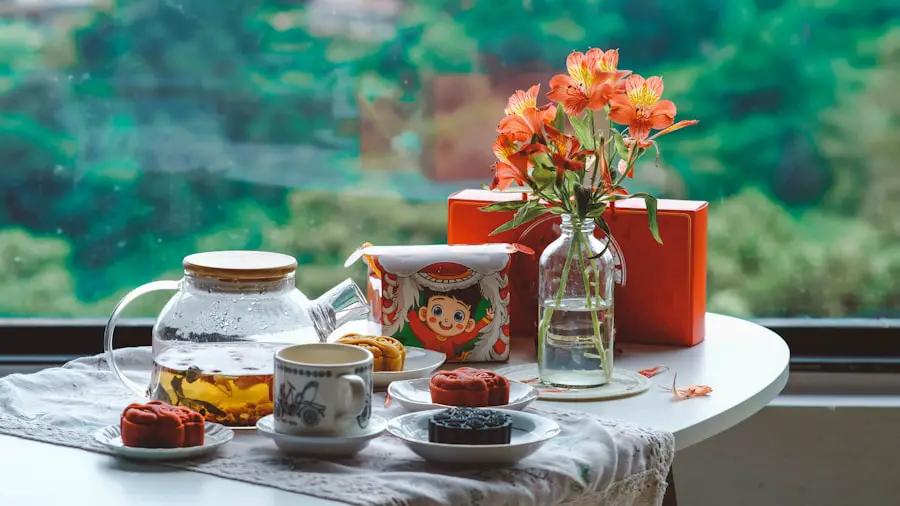
In recent years, mooncakes have undergone a transformation that reflects contemporary tastes and dietary preferences. Modern variations have emerged that cater to a broader audience, including those who may not enjoy traditional flavors or who have dietary restrictions. For instance, ice cream mooncakes have gained popularity, featuring a frozen filling made from various flavors such as matcha, chocolate, or fruit sorbets encased in a thin pastry shell.
This innovative twist appeals to younger generations and offers a refreshing alternative during warm autumn evenings. Another notable trend is the rise of health-conscious mooncakes. Many bakeries now offer low-sugar or sugar-free options, using natural sweeteners like honey or agave syrup instead of refined sugar.
Additionally, gluten-free mooncakes made with alternative flours such as rice flour or almond flour are becoming increasingly available, catering to those with gluten sensitivities. Vegan mooncakes have also emerged, utilizing plant-based ingredients for both the crust and filling. These modern adaptations not only preserve the essence of the traditional mooncake but also ensure that they remain relevant in today’s diverse culinary landscape.
How to Choose the Perfect Mooncake
| Criteria | Options |
|---|---|
| Flavor | Lotus Seed, Red Bean, Salted Egg Yolk, Mixed Nuts |
| Size | Small, Medium, Large |
| Texture | Smooth, Flaky, Chewy |
| Price | Low, Medium, High |
| Brand | Local, International |
Selecting the perfect mooncake can be an enjoyable yet daunting task given the myriad options available. When choosing mooncakes, it is essential to consider personal preferences regarding flavor and texture. For those who appreciate traditional tastes, opting for classic fillings like lotus seed paste or red bean paste may be ideal.
However, adventurous eaters might want to explore modern variations that incorporate unique flavors such as durian or matcha. Another important factor to consider is the type of crust. Mooncakes can have different textures ranging from flaky to soft, depending on regional styles.
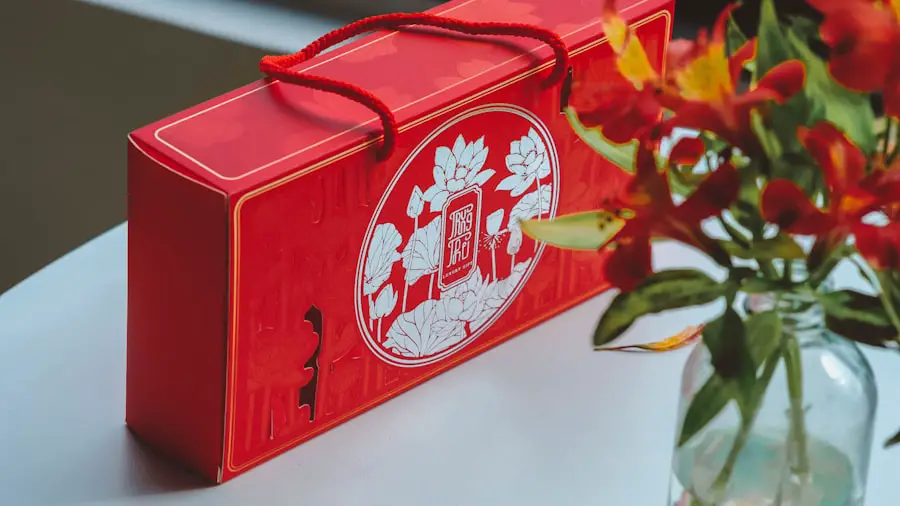
Cantonese-style mooncakes are known for their smooth and tender crusts, while Suzhou-style mooncakes offer a more layered texture. Additionally, packaging can also play a role in your choice; beautifully designed boxes not only enhance the aesthetic appeal but also make for thoughtful gifts during the Mid-Autumn Festival. Ultimately, selecting a mooncake should be an enjoyable experience that reflects individual tastes and preferences.
Mooncake Pairings: Tea, Wine, and More
Pairing mooncakes with beverages can elevate the tasting experience significantly. Traditionally, tea has been the beverage of choice to accompany mooncakes, particularly varieties such as oolong or pu-erh tea. The earthy notes of pu-erh tea complement the sweetness of lotus seed paste beautifully, while oolong tea’s floral undertones enhance the flavors of nut-filled mooncakes.
The warmth of tea also provides a comforting contrast to the rich textures of the pastries. In addition to tea, wine pairings have become increasingly popular among enthusiasts looking to explore new flavor combinations. Sweet wines like dessert wines or late-harvest Rieslings can provide an interesting counterbalance to savory fillings like salted egg yolk or mixed nuts.
For those who prefer something stronger, pairing mooncakes with Chinese rice wine or even champagne can create an exciting fusion of flavors that enhances both the cake and the drink. Experimenting with different pairings can lead to delightful discoveries that enrich the overall experience of enjoying mooncakes.
DIY Mooncake Recipes
The Traditional Recipe
A basic recipe for traditional mooncakes involves making both the dough and filling from scratch. To make the dough, combine all-purpose flour with golden syrup, lye water, and vegetable oil to create a smooth mixture that can be molded into shapes. The filling can be prepared using ingredients like lotus seed paste or red bean paste, which can be purchased pre-made or made at home by cooking and blending the respective beans with sugar.
Assembling and Baking the Mooncakes
To assemble the mooncakes, small portions of filling are wrapped in dough and pressed into molds to create beautiful designs on the surface. After shaping them, they are baked until golden brown and allowed to cool before serving.
Modern Variations and Bonding Opportunities
For those interested in modern variations, experimenting with different fillings such as chocolate ganache or fruit preserves can yield delicious results. DIY mooncake-making not only fosters creativity but also provides an opportunity to bond with family and friends during the festive season.
Health Benefits of Mooncakes
While mooncakes are often viewed as indulgent treats due to their rich ingredients and high sugar content, they can also offer certain health benefits when consumed in moderation. Many traditional fillings are made from nutrient-dense ingredients such as nuts and seeds, which provide essential fatty acids, protein, and fiber. For instance, walnuts are commonly used in mixed nut fillings and are known for their heart-healthy properties due to their high omega-3 content.
Additionally, some fillings like red bean paste are rich in antioxidants and dietary fiber, which can aid digestion and promote overall health. The use of natural sweeteners in modern variations also contributes to healthier options that cater to those looking to reduce sugar intake without sacrificing flavor. By choosing wisely and enjoying mooncakes as part of a balanced diet, one can appreciate their cultural significance while reaping some nutritional benefits.
Celebrating Mid-Autumn Festival with Mooncakes
The Mid-Autumn Festival is one of the most significant celebrations in Chinese culture, marked by family reunions and festive gatherings under the full moon.
During this time, families come together to share stories, enjoy meals, and partake in traditional activities such as lantern lighting and dragon dances.
Exchanging mooncakes is a cherished custom during this festival; they are often gifted to friends, relatives, and business associates as tokens of goodwill and prosperity. The act of sharing these delicacies fosters connections among people and reinforces social bonds within communities. As families gather around tables adorned with mooncakes and tea, they partake in rituals that honor their heritage while creating new memories together under the luminous glow of the harvest moon.
This celebration encapsulates not only the joy of reunion but also the rich cultural tapestry that mooncakes represent in Chinese society.
If you’re a fan of sweet treats like mooncakes, you may also enjoy learning about Mini Pineapple Upside Down Cakes. These individual desserts are a delicious twist on a classic recipe, featuring caramelized pineapple slices and a moist cake base. Check out