

Mochi, a glutinous rice cake, has a rich history that dates back over a thousand years in Japan. Its origins can be traced to the Heian period (794-1185), where it was initially used in religious ceremonies and as an offering to the gods. The process of making mochi involves steaming glutinous rice and then pounding it into a sticky, pliable dough.
This labor-intensive method was not only a culinary practice but also a communal activity, often involving families and communities coming together to celebrate the harvest. The significance of mochi in Japanese culture is profound; it symbolizes prosperity and good fortune, making it a staple during New Year celebrations and other festive occasions. As time progressed, mochi evolved from its ceremonial roots into a beloved everyday snack.
By the Edo period (1603-1868), it became widely available and was incorporated into various dishes, such as ozoni, a traditional soup served during New Year’s celebrations. The introduction of sweet fillings, such as red bean paste, further popularized mochi, transforming it into a versatile treat enjoyed by people of all ages. Today, mochi is not only a traditional food but also a modern delicacy that has found its way into various culinary innovations, reflecting the dynamic nature of Japanese cuisine.
Key Takeaways
- Mochi has a rich history dating back to ancient Japan, where it was used in religious ceremonies and as a special treat for the New Year.
- Making mochi is a meticulous process that involves steaming glutinous rice and pounding it into a smooth, elastic dough, which is then shaped into various forms.
- Traditional mochi flavors include red bean, matcha, and sesame, while modern variations can feature ice cream fillings or fruit flavors.
- Mochi plays a significant role in Japanese culture, being enjoyed during festivals, weddings, and other special occasions.
- Mochi has gained popularity worldwide, with variations and adaptations being enjoyed in different countries and cultures.
The Art of Making Mochi: A Step-by-Step Guide to Crafting the Perfect Treat
Creating mochi is an art form that requires patience and precision. The first step in making mochi is selecting the right type of rice. Glutinous rice, also known as sweet rice or mochigome, is essential for achieving the desired texture.
Once the rice is soaked in water for several hours, it is then steamed until it becomes tender and sticky. This steaming process is crucial, as it allows the rice to absorb moisture and become pliable.
The cooked rice is transferred to a large wooden mortar called an “usu,” where it is pounded with a pestle known as “kine.” This step requires skill and teamwork; one person typically pounds the rice while another adds water to prevent sticking and helps turn the dough. The pounding transforms the rice into a smooth, elastic mass. Once the desired consistency is achieved, the mochi is shaped into small rounds or squares.
At this stage, fillings such as sweet red bean paste or ice cream can be added, creating delightful variations that cater to different tastes.
The Different Types of Mochi: From Traditional Flavors to Modern Variations
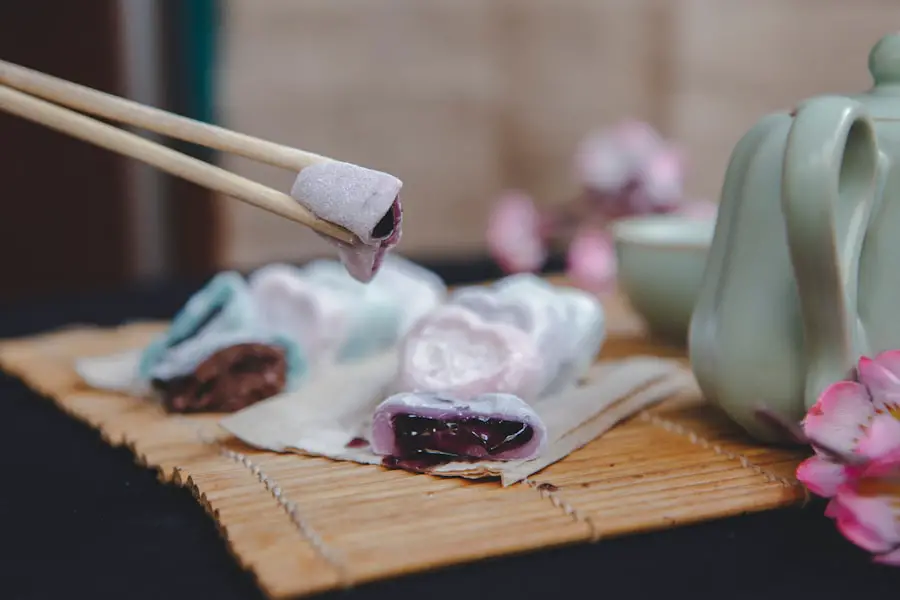
Mochi comes in an array of flavors and forms, each reflecting regional specialties and personal preferences. Traditional varieties include “daifuku,” which consists of a chewy mochi shell filled with sweet red bean paste or other fillings like strawberries or ice cream. Another classic type is “mochi ice cream,” which has gained immense popularity outside Japan.
This delightful treat features a thin layer of mochi enveloping creamy ice cream, offering a unique texture contrast that has captivated dessert lovers worldwide. In addition to these traditional forms, modern variations have emerged that push the boundaries of flavor and creativity. For instance, matcha (green tea) mochi has become a favorite among those who appreciate the earthy bitterness of matcha combined with the sweetness of mochi.
Other innovative flavors include mango, chocolate, and even savory options like cheese-filled mochi. These contemporary adaptations not only appeal to diverse palates but also showcase the versatility of mochi as an ingredient that can be incorporated into various culinary creations.
Mochi in Japanese Culture: How this Delightful Treat is Celebrated and Enjoyed
| Aspect | Description |
|---|---|
| History | Mochi has been a part of Japanese culture for over a thousand years, with its origins dating back to the Yayoi period. |
| Traditions | Mochi is often enjoyed during the Japanese New Year, where it is pounded into a sticky, chewy paste and used in various dishes. |
| Symbolism | Mochi is considered a symbol of good luck, prosperity, and longevity in Japanese culture. |
| Events | There are various mochi-related events and festivals throughout Japan, such as mochitsuki (mochi-pounding) ceremonies. |
| Varieties | There are many different types of mochi, including sweet and savory varieties, each with its own unique preparation and flavors. |
Mochi holds a special place in Japanese culture, often associated with various festivals and traditions. One of the most significant occasions for enjoying mochi is during the New Year celebrations, known as “Oshogatsu.” Families prepare “kagamimochi,” a decorative stack of mochi that symbolizes prosperity and good fortune for the coming year. This festive treat is often displayed in homes and shrines as an offering to deities.
Beyond New Year’s festivities, mochi is also integral to other cultural events such as “Mochitsuki,” a traditional rice-pounding ceremony held during harvest festivals. This communal event not only celebrates the harvest but also fosters social bonds among participants. Mochi is often served in various forms during these celebrations, from sweet treats to savory dishes like “ozoni,” a soup featuring mochi and vegetables.
Mochi Around the World: How Japanese Treats Have Captivated Global Taste Buds
In recent years, mochi has transcended its cultural boundaries and gained popularity across the globe. The rise of Japanese cuisine in international markets has introduced many people to this delightful treat. In countries like the United States, mochi ice cream has become a trendy dessert option found in grocery stores and specialty shops alike.
Its unique texture and flavor combinations have made it a favorite among dessert enthusiasts who seek something different from traditional ice cream. Moreover, food festivals and cultural events celebrating Japanese cuisine have further contributed to mochi’s global appeal. Chefs and home cooks alike experiment with mochi in fusion dishes, incorporating it into everything from sushi rolls to gourmet desserts.
This cross-cultural exchange not only highlights the adaptability of mochi but also fosters appreciation for Japanese culinary traditions among diverse audiences.
Mochi in Modern Cuisine: Innovative Ways to Incorporate Mochi into Your Cooking
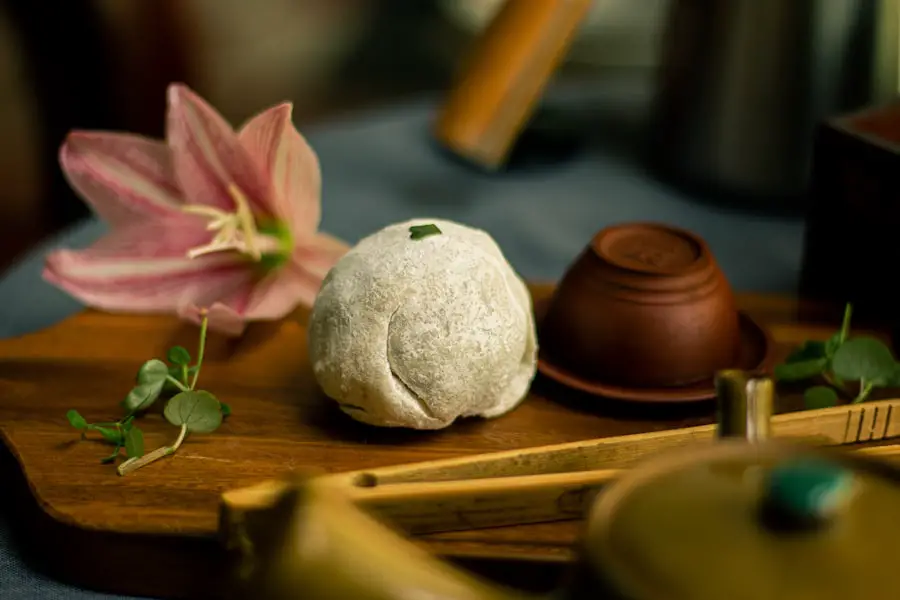
The versatility of mochi extends beyond traditional applications; it has found its way into modern culinary creations that surprise and delight diners. Chefs are increasingly incorporating mochi into savory dishes, using it as a base for innovative appetizers or entrees. For instance, some restaurants serve grilled mochi skewers topped with savory sauces or paired with fresh vegetables, creating a unique fusion of flavors.
Additionally, mochi can be used as an ingredient in baked goods, adding a chewy texture to cakes and pastries. Mochi donuts have emerged as a popular trend, combining the chewy characteristics of mochi with the sweetness of traditional donuts. These treats are often glazed with various flavors, from matcha to chocolate, appealing to both traditionalists and those seeking new culinary experiences.
The creative possibilities with mochi are virtually limitless, allowing chefs to explore new dimensions in flavor and texture.
Mochi and Health: Exploring the Nutritional Benefits of this Japanese Delicacy
While mochi is often enjoyed as a sweet treat, it also offers several nutritional benefits that make it an appealing option for health-conscious individuals. Made primarily from glutinous rice, mochi is gluten-free and provides a source of carbohydrates that can offer energy for those with active lifestyles. Additionally, when filled with ingredients like red bean paste or fruits, mochi can provide essential nutrients such as fiber and vitamins.
However, moderation is key when consuming mochi due to its high carbohydrate content and potential for added sugars in sweetened varieties. Some health-conscious consumers opt for healthier fillings or choose to enjoy mochi in smaller portions to balance their dietary needs while still indulging in this delightful treat. As awareness of health trends continues to grow, innovative recipes featuring whole grains or alternative sweeteners are emerging, allowing more people to enjoy mochi without compromising their health goals.
Where to Find Mochi: A Guide to the Best Mochi Shops and Restaurants Around the World
For those eager to experience authentic mochi or explore modern interpretations of this beloved treat, numerous shops and restaurants around the world cater to diverse tastes. In Japan, traditional shops known as “wagashi” specialize in handcrafted sweets, offering an array of mochi varieties that reflect regional flavors and seasonal ingredients. Notable establishments like “Kagetsudo” in Asakusa are famous for their freshly made daifuku filled with sweet red bean paste.
Outside Japan, cities with vibrant Asian communities often feature specialty stores dedicated to Japanese treats. In places like Los Angeles or New York City, one can find shops like “Mochi Ice Cream” or “Mochi Dough” that offer innovative flavors and creative presentations of mochi desserts. Additionally, many upscale restaurants incorporate mochi into their dessert menus, showcasing its versatility through unique pairings with other ingredients.
As global interest in Japanese cuisine continues to grow, so does the availability of high-quality mochi products worldwide. Whether seeking traditional flavors or modern twists on this classic treat, food enthusiasts can embark on a delightful journey through the world of mochi by exploring local shops and restaurants that celebrate this cherished delicacy.
If you’re a fan of mochi, you may also enjoy trying out some new recipes like this chocolate brownies recipe that offers a sweet and indulgent treat. These chewy and fudgy brownies are sure to satisfy your sweet tooth cravings.
FAQs
What is mochi?
Mochi is a Japanese rice cake made of mochigome, a short-grain japonica glutinous rice. It is pounded into a sticky, elastic texture and can be shaped into various forms.
How is mochi traditionally made?
Traditionally, mochi is made by soaking glutinous rice overnight, steaming it, and then pounding it with wooden mallets in a mortar. The resulting dough is then shaped into various forms.
What are the different types of mochi?
There are various types of mochi, including plain mochi, filled mochi (daifuku), and toasted mochi (yakimochi). Mochi can also be flavored with ingredients such as matcha, red bean paste, or sesame.
What are some popular ways to eat mochi?
Mochi can be enjoyed in a variety of ways, such as in soups, as a topping for ice cream, or grilled and served with soy sauce and seaweed. It is also a popular ingredient in Japanese New Year’s celebrations.
Is mochi gluten-free?
Yes, mochi is gluten-free as it is made from glutinous rice, which does not contain gluten. However, it is important to note that some mochi fillings or toppings may contain gluten, so it’s important to check the ingredients.