

Protein is often heralded as the cornerstone of muscle building, and for good reason. It plays a critical role in the repair and growth of muscle tissues, which is essential for anyone looking to enhance their physical performance or achieve a more toned physique. When we engage in resistance training or any form of strenuous exercise, our muscle fibers undergo microscopic tears.
This is a natural part of the muscle-building process, but it necessitates a robust intake of protein to facilitate recovery and growth. Proteins are made up of amino acids, which are the building blocks that help repair these damaged fibers, leading to increased muscle mass over time. Moreover, protein consumption has been shown to have a thermogenic effect, meaning that it requires more energy for digestion compared to fats and carbohydrates.
Studies suggest that a higher protein intake can also help regulate appetite by promoting feelings of fullness, which can lead to reduced overall caloric intake. For athletes and fitness enthusiasts, this dual benefit of muscle repair and appetite regulation makes protein an indispensable nutrient in their diets.
Key Takeaways
- Protein is essential for muscle building and repair
- Incorporate high-protein ingredients like chicken, turkey, eggs, and Greek yogurt into your salad
- Try delicious high-protein salad recipes like grilled chicken and quinoa salad or shrimp and avocado salad
- Vegetarian and vegan options include adding tofu, tempeh, chickpeas, or edamame to your salad
- Add healthy fats like avocado, nuts, seeds, and olive oil to your high-protein salad for added flavor and nutrition
Incorporating High-Protein Ingredients into Your Salad
Salads are often perceived as light meals, but they can be transformed into power-packed dishes by incorporating high-protein ingredients. One of the simplest ways to boost the protein content of a salad is by adding legumes such as chickpeas, black beans, or lentils. These not only provide a significant amount of protein but also add fiber, which aids in digestion and promotes satiety.
For instance, a cup of cooked chickpeas contains about 15 grams of protein, making them an excellent choice for any salad base. Another effective method to enhance the protein profile of your salad is by including various types of cheese. Feta, goat cheese, or even cottage cheese can elevate the flavor while contributing substantial protein content.
For example, just one ounce of feta cheese can provide around 4 grams of protein. Additionally, incorporating nuts and seeds such as almonds, pumpkin seeds, or sunflower seeds can add both crunch and nutrition. A quarter-cup serving of pumpkin seeds offers approximately 9 grams of protein along with healthy fats and essential minerals.
By thoughtfully selecting these ingredients, salads can easily transition from a side dish to a complete meal.
Delicious High-Protein Salad Recipes
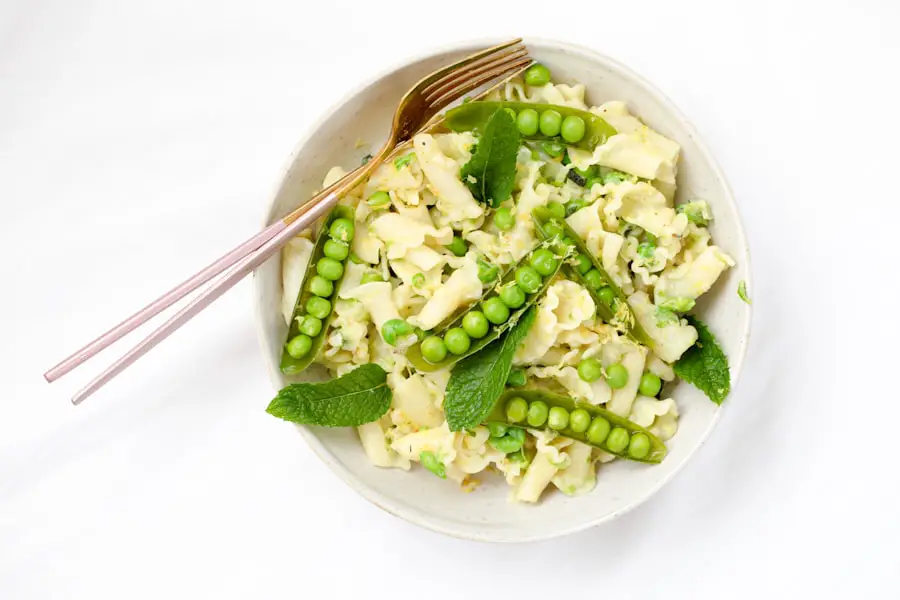
Creating high-protein salads can be both enjoyable and rewarding, especially when experimenting with diverse flavors and textures. One popular recipe is the Mediterranean Chickpea Salad, which combines cooked chickpeas with diced cucumbers, cherry tomatoes, red onion, and parsley. Tossed in a dressing made from olive oil, lemon juice, garlic, and oregano, this salad not only bursts with flavor but also packs a protein punch thanks to the chickpeas.
Adding crumbled feta cheese can further enhance its nutritional value while providing a creamy texture that complements the crisp vegetables. Another enticing option is the Quinoa and Black Bean Salad. Quinoa is a complete protein source, meaning it contains all nine essential amino acids necessary for muscle repair and growth.
When mixed with black beans, corn, diced bell peppers, and avocado, this salad becomes a colorful and nutrient-dense meal. A simple lime vinaigrette made from lime juice, olive oil, cumin, and cilantro ties all the ingredients together beautifully. This dish not only satisfies hunger but also provides sustained energy due to its balanced macronutrient profile.
Vegetarian and Vegan High-Protein Salad Options
For those following vegetarian or vegan diets, there are numerous ways to create high-protein salads that are both satisfying and nutritious. One excellent option is a Tofu and Spinach Salad. Firm tofu is an outstanding source of plant-based protein; just half a cup contains around 20 grams.
When marinated in soy sauce or sesame oil and then grilled or baked, tofu can add a delightful texture to salads. Pairing it with fresh spinach, shredded carrots, and sesame seeds creates a vibrant dish that is rich in both protein and essential vitamins. Another fantastic vegan salad is the Lentil Salad with Roasted Vegetables.
Lentils are not only high in protein but also packed with fiber and iron. Roasting vegetables like zucchini, bell peppers, and red onions enhances their natural sweetness and adds depth to the salad. Tossing the lentils with these roasted vegetables along with a balsamic vinaigrette creates a hearty meal that is both filling and nutritious.
This combination not only provides ample protein but also offers a variety of flavors that make each bite enjoyable.
Adding Healthy Fats to Your High-Protein Salad
Incorporating healthy fats into high-protein salads is essential for creating balanced meals that support overall health and muscle building. Healthy fats play a crucial role in hormone production, including hormones like testosterone that are vital for muscle growth. Avocado is an excellent source of monounsaturated fats; adding half an avocado to your salad can provide around 15 grams of healthy fat along with fiber and potassium.
Its creamy texture enhances the overall mouthfeel of the salad while contributing essential nutrients. Nuts and seeds are another fantastic way to introduce healthy fats into your salads. Almonds, walnuts, chia seeds, and flaxseeds not only add crunch but also provide omega-3 fatty acids that are known for their anti-inflammatory properties.
For instance, just one ounce of walnuts contains about 18 grams of fat, most of which are heart-healthy unsaturated fats.
Tips for Maximizing Muscle Building Benefits from High-Protein Salads
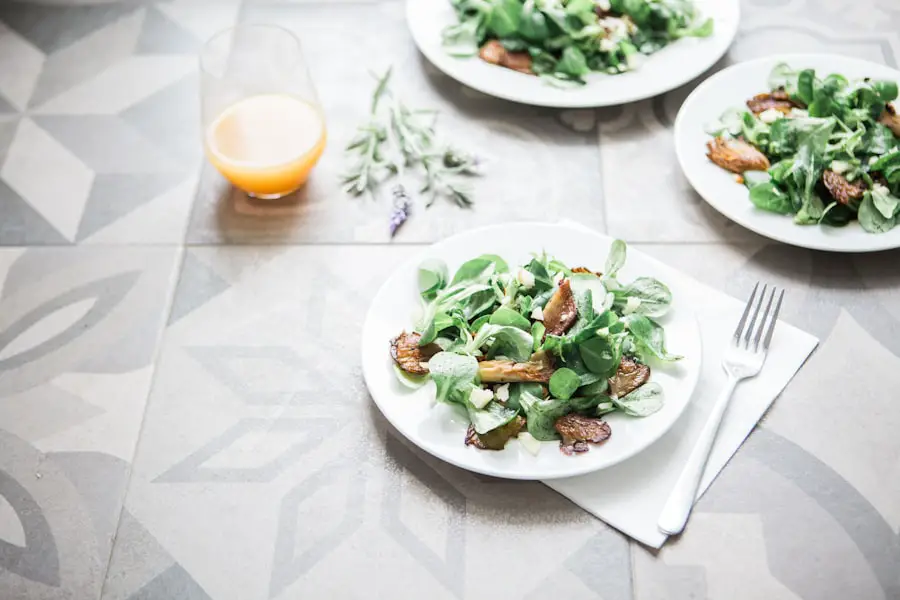
To truly maximize the muscle-building benefits from high-protein salads, timing and composition are key factors to consider. Consuming a high-protein meal shortly after a workout can significantly enhance recovery and promote muscle synthesis. Aim for a post-workout salad that includes not only protein-rich ingredients but also carbohydrates to replenish glycogen stores depleted during exercise.
For example, pairing quinoa or sweet potatoes with your protein sources can create an ideal post-workout meal. Additionally, diversifying your protein sources can ensure you receive a complete amino acid profile necessary for optimal muscle repair. Instead of relying solely on one type of protein—be it animal or plant-based—mixing different sources can enhance the nutritional value of your salad.
For instance, combining beans with nuts or seeds can provide complementary amino acids that work synergistically to support muscle growth.
Preparing High-Protein Salads for Meal Prep
Meal prepping high-protein salads can be an effective strategy for maintaining a healthy diet amidst busy schedules. When preparing salads in advance, it’s crucial to consider ingredient longevity; some components may wilt or spoil faster than others. To ensure freshness throughout the week, store dressings separately from the salad base until ready to eat.
This prevents sogginess and maintains the crispness of vegetables. Incorporating sturdy greens like kale or romaine lettuce as the base can also enhance shelf life compared to more delicate greens like spinach or arugula. Additionally, using mason jars for storage allows you to layer ingredients effectively—placing heavier items like beans or grains at the bottom and lighter greens on top helps keep everything fresh until mealtime arrives.
By planning ahead and utilizing proper storage techniques, you can enjoy nutritious high-protein salads throughout the week without compromising on taste or quality.
High-Protein Salad Dressing Ideas
The dressing you choose can significantly impact both the flavor and nutritional profile of your high-protein salad. Opting for homemade dressings allows you to control ingredients while avoiding added sugars and preservatives often found in store-bought options. A simple vinaigrette made from olive oil, balsamic vinegar, Dijon mustard, and honey can elevate any salad while providing healthy fats.
For those looking for creamier options without sacrificing health benefits, consider using Greek yogurt as a base for dressings. Mixing Greek yogurt with herbs like dill or basil along with lemon juice creates a tangy dressing rich in protein—just two tablespoons contain about 3 grams of protein. Another delightful option is tahini-based dressings; tahini not only adds creaminess but also contributes additional protein along with healthy fats.
By experimenting with various dressings, you can enhance your high-protein salads while keeping them exciting and flavorful.
If you’re looking for more delicious and nutritious salad ideas, be sure to check out this Citrus Ginger Tofu Salad with Buckwheat Soba Noodles recipe. This refreshing and protein-packed salad is perfect for muscle building and will keep you feeling satisfied and energized.
FAQs
What are the benefits of high-protein salads for muscle building?
High-protein salads are beneficial for muscle building as they provide the necessary amino acids for muscle repair and growth. Protein also helps to keep you feeling full and satisfied, which can aid in weight management and overall health.
What are some good sources of protein to include in a muscle-building salad?
Good sources of protein to include in a muscle-building salad are grilled chicken, turkey, tuna, salmon, tofu, tempeh, chickpeas, black beans, quinoa, and edamame. These ingredients are not only high in protein but also provide essential nutrients for muscle recovery and growth.
What are some high-protein salad ideas for muscle building?
Some high-protein salad ideas for muscle building include a grilled chicken and quinoa salad, a tuna and white bean salad, a tofu and edamame salad, a salmon and avocado salad, and a chickpea and vegetable salad. These salads are not only delicious but also packed with protein and other essential nutrients.
How can I make sure my high-protein salad is balanced and nutritious?
To ensure that your high-protein salad is balanced and nutritious, aim to include a variety of colorful vegetables, a lean source of protein, a healthy fat such as avocado or nuts, and a complex carbohydrate like quinoa or sweet potatoes. This will provide a well-rounded meal with all the necessary nutrients for muscle building and overall health.
Are there any specific dressings or toppings that can enhance the protein content of a salad?
To enhance the protein content of a salad, consider adding toppings such as nuts, seeds, or crumbled feta cheese. Additionally, using a Greek yogurt-based dressing or a tahini dressing can also add extra protein to your salad while keeping it flavorful and satisfying.