

Granita is a semi-frozen dessert that hails from Italy, particularly associated with the island of Sicily. It is characterized by its crystalline texture, which is achieved through a process of freezing and scraping. Unlike sorbet, which is typically smooth and creamy, granita has a more granular consistency, making it a refreshing treat on hot days.
The base of granita is usually made from water, sugar, and flavoring agents, which can range from fruit purees to coffee or even wine. The result is a light, icy dessert that can be enjoyed in a variety of settings, from casual backyard gatherings to elegant dinner parties. The preparation of granita involves a unique technique that sets it apart from other frozen desserts.
After combining the ingredients, the mixture is poured into a shallow dish and placed in the freezer. As it freezes, it is periodically scraped with a fork to create the desired texture. This process not only enhances the granita’s icy quality but also allows for the incorporation of air, resulting in a light and fluffy dessert.
Granita can be served in cups or bowls and is often garnished with fresh fruit or herbs, adding an extra layer of flavor and visual appeal.
Key Takeaways
- Granita is a semi-frozen dessert made from sugar, water, and various flavorings.
- Granita originated in Sicily, Italy, and has been enjoyed since the 16th century.
- The basic ingredients for granita include water, sugar, and flavorings such as fruit juice or coffee.
- Making granita at home is easy and requires only a few simple steps and minimal equipment.
- Granita can be made in a variety of flavors, including lemon, strawberry, coffee, and almond, offering a refreshing and customizable treat.
The History of Granita
The Early Days of Granita
This early form of the dessert was not only a way to cool off in the sweltering heat but also a symbol of luxury and indulgence.
By the 19th century, it had become a staple in Sicilian cuisine, often enjoyed as a refreshing treat during the hot summer months.
The Impact of Ice-Making Technology
The introduction of ice-making technology further revolutionized the production of granita, allowing for greater accessibility and variety in flavors. This innovation enabled the mass production of granita, making it possible for people to enjoy this refreshing treat more widely.
Granita Today
Today, granita is celebrated not only in Italy but also around the world, with various adaptations that reflect local ingredients and culinary traditions. Its popularity has led to the creation of diverse flavors and textures, making granita a beloved dessert globally.
The Ingredients for Granita
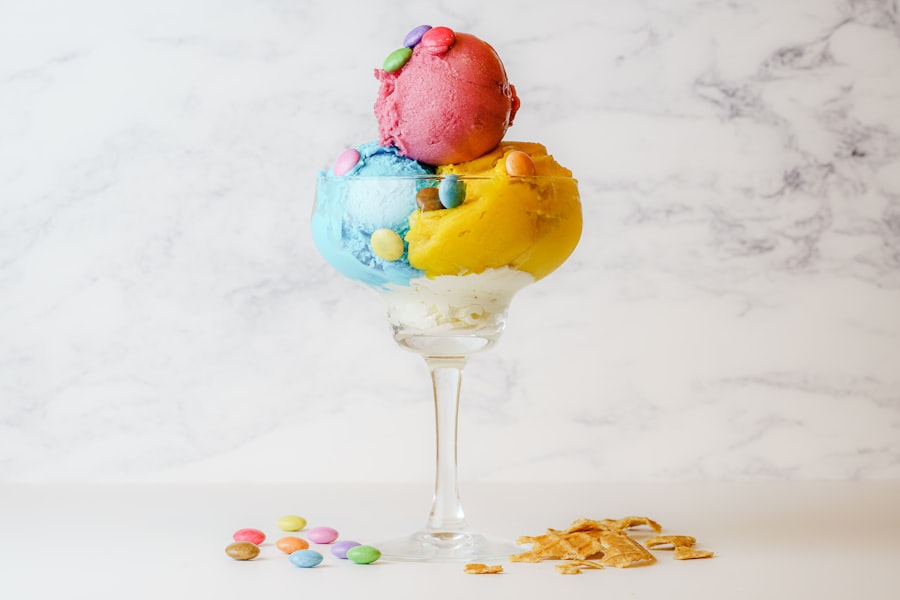
The beauty of granita lies in its simplicity, requiring only a few key ingredients to create a delicious frozen treat. The primary components are water, sugar, and flavoring agents. The sugar serves as a sweetener and helps to lower the freezing point of the mixture, ensuring that it remains scoopable rather than turning into a solid block of ice.
The type and amount of sugar can vary depending on personal preference and the sweetness of the flavoring used. Flavoring agents can include fresh fruits like lemons, strawberries, or peaches, which are often pureed to create vibrant flavors. Alternatively, coffee or tea can be used for a more sophisticated twist. Some recipes even incorporate wine or liqueurs for an adult version of this delightful dessert. The choice of ingredients allows for endless creativity, enabling home cooks to experiment with seasonal fruits or unique flavor combinations that reflect their tastes.
How to Make Granita at Home
| Ingredients | Measurements |
|---|---|
| Fresh fruit (e.g. strawberries, lemons, peaches) | 2 cups |
| Water | 1 cup |
| Sugar | 1/2 cup |
| Lemon juice | 2 tablespoons |
| Optional: mint leaves or other flavorings | To taste |
| Equipment | |
| Blender or food processor | |
| Freezer-safe container | |
| Instructions | |
| 1. Blend the fruit, water, sugar, and lemon juice until smooth | |
| 2. Pour the mixture into the freezer-safe container | |
| 3. Freeze for 1-2 hours, then scrape with a fork to create a slushy texture | |
| 4. Return to the freezer and repeat scraping every 30 minutes until the granita is fully frozen and fluffy | |
| Serving | |
| Scoop the granita into serving dishes and garnish with mint leaves or other flavorings if desired |
Making granita at home is an accessible and rewarding process that requires minimal equipment and time. To begin, one must select their desired flavor base. For instance, if opting for a lemon granita, fresh lemons should be juiced to yield about one cup of juice.
This juice is then combined with water and sugar in a mixing bowl; typically, a ratio of one part sugar to four parts liquid works well. The mixture should be stirred until the sugar is fully dissolved. Once the mixture is prepared, it is poured into a shallow dish—such as a baking pan or glass dish—and placed in the freezer.
After about 30 minutes, it’s essential to check on the mixture; as it begins to freeze around the edges, it should be scraped with a fork to break up any ice crystals that form. This process should be repeated every 30 minutes for about 2-3 hours until the granita reaches a fluffy, granular texture. Once ready, it can be served immediately or stored in the freezer for later enjoyment.
Different Flavors of Granita
The versatility of granita allows for an array of flavors that cater to diverse palates. Traditional Sicilian flavors include lemon and almond, both of which highlight local ingredients and culinary heritage. Lemon granita is particularly popular due to its refreshing tartness, making it an ideal palate cleanser between courses or a delightful treat on its own.
In addition to classic flavors, modern interpretations have expanded the possibilities significantly. For instance, berry granitas made from strawberries or raspberries offer a sweet and tangy experience that captures the essence of summer. Coffee granita provides an invigorating option for those who enjoy caffeine in their desserts; it can be made by brewing strong coffee and sweetening it before freezing.
Exotic flavors such as mango or passion fruit can transport one’s taste buds to tropical locales, while herbal infusions like mint or basil add an unexpected twist that elevates the dessert beyond traditional boundaries.
Serving and Enjoying Granita
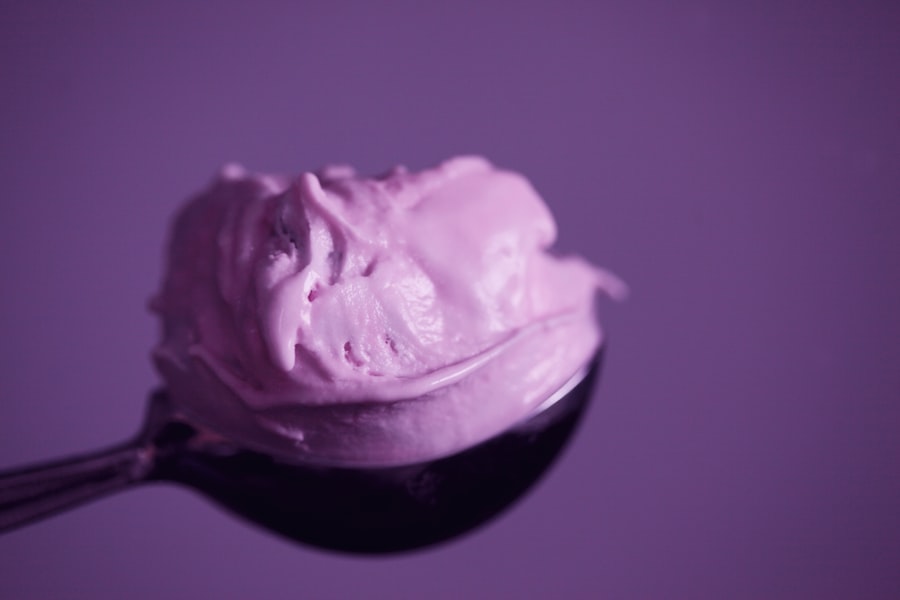
Granita is best served in chilled bowls or cups to maintain its icy texture and enhance the overall experience. When presenting granita at gatherings or special occasions, consider garnishing it with fresh fruit slices or sprigs of mint for an appealing visual touch. A drizzle of flavored syrup or a dollop of whipped cream can also add an extra layer of indulgence.
The enjoyment of granita goes beyond just taste; it’s about savoring the moment. Whether enjoyed on a sun-drenched patio or at a festive gathering with friends and family, granita embodies the spirit of summer relaxation. It can be served as a refreshing appetizer before a meal or as a light dessert afterward.
In Italy, it’s not uncommon to enjoy granita alongside a brioche bun for breakfast—a delightful combination that showcases its versatility throughout the day.
Health Benefits of Granita
While granita is often viewed as an indulgent treat, it can also offer some health benefits depending on its ingredients.
For example, lemon granita provides vitamin C, which supports immune function and skin health.
Similarly, berry-based granitas are rich in antioxidants that combat oxidative stress and promote overall well-being. Moreover, because granita is typically lower in fat compared to ice cream or gelato, it can be a lighter alternative for those seeking to satisfy their sweet tooth without excessive calories. By controlling the amount of sugar used in homemade versions, individuals can tailor their granitas to suit their dietary preferences while still enjoying a refreshing dessert.
When comparing granita to other frozen desserts like sorbet or ice cream, several distinctions become apparent. Sorbet is known for its smooth texture and creaminess due to its higher fat content from fruit purees or added stabilizers; this makes it denser than granita. Ice cream takes this concept further by incorporating dairy products like cream or milk, resulting in an even richer dessert that often requires churning during preparation.
Granita stands out due to its unique texture—light and fluffy rather than creamy—which makes it particularly refreshing on hot days. Additionally, its simplicity allows for quick preparation without specialized equipment like ice cream makers. While all these frozen treats have their merits, granita offers a distinct experience that celebrates the essence of its ingredients while providing an invigorating respite from heat.
In summary, granita is not just another frozen dessert; it embodies tradition, creativity, and refreshment all in one delightful dish. Its rich history and versatility make it an enduring favorite among dessert lovers worldwide.
If you’re looking for a refreshing dessert to pair with your beauty routine, consider trying out a delicious Granita recipe. Granita is a semi-frozen dessert made from sugar, water, and various flavorings. For a twist on this classic treat, you can try adding fresh fruit or herbs for a burst of flavor. For a more indulgent option, you can also pair your Granita with a decadent Chocolate Strawberry Layer Cake. This article on Chocolate Strawberry Layer Cake Recipe provides step-by-step instructions on how to create this mouthwatering dessert.
FAQs
What is granita?
Granita is a semi-frozen dessert made from sugar, water, and various flavorings. It originated in Sicily, Italy, and is similar to sorbet but has a coarser, more crystalline texture.
How is granita made?
To make granita, a flavored liquid (such as fruit juice, coffee, or wine) is combined with a sugar syrup and then frozen. The mixture is then scraped with a fork every 30 minutes or so as it freezes, creating a light and fluffy texture.
What flavors are popular for granita?
Popular flavors for granita include lemon, coffee, almond, strawberry, and watermelon. However, the possibilities are endless and can include any fruit, herb, or even wine.
How is granita served?
Granita is typically served as a refreshing dessert or snack, often in a small cup or glass. It is commonly enjoyed during the summer months as a cooling treat.
Is granita the same as shaved ice or snow cones?
While granita, shaved ice, and snow cones all involve ice and flavorings, they are different in texture and preparation. Granita has a coarser, more crystalline texture and is made by scraping the freezing mixture with a fork, while shaved ice and snow cones are made by shaving or crushing ice and then adding flavored syrups.