

The origins of sherbet can be traced back to ancient civilizations, where it was enjoyed as a refreshing beverage. The word “sherbet” itself is derived from the Arabic term “sharba,” which means “to drink.” Historical records suggest that the earliest forms of sherbet were made from fruit juices mixed with water and sugar, often flavored with herbs and spices. In the Middle Ages, this delightful concoction made its way to Europe, where it was embraced by the aristocracy.
The Italians, in particular, played a significant role in the evolution of sherbet, transforming it into a frozen dessert by incorporating ice and cream. As sherbet spread across Europe, it underwent various adaptations. In the 17th century, the French began to refine the recipe, adding more elaborate flavors and textures.
By the 18th century, sherbet had become a popular treat in England, where it was often served at lavish banquets and social gatherings. The introduction of refrigeration in the 19th century revolutionized the production of sherbet, allowing for greater experimentation with flavors and ingredients. This period marked the transition from a simple drink to a beloved frozen dessert that would capture the hearts of many.
Key Takeaways
- Sherbet has a long history dating back to ancient Persia and has evolved into the sweet treat we know today.
- Sherbet comes in a wide variety of flavors, from fruity to citrusy, offering something for every palate.
- Sherbet and sorbet may sound similar, but they are different desserts with varying ingredients and textures.
- Making sherbet at home is a simple and rewarding process that allows for creativity and customization.
- Sherbet is enjoyed in different ways around the world, with unique variations in different cultures.
The Many Flavors of Sherbet: From Fruity to Citrusy
Sherbet is renowned for its vibrant and diverse flavor profile, which can range from sweet and fruity to tangy and citrusy. Traditional flavors such as raspberry, lemon, and orange are staples in many households, but the creativity surrounding sherbet has led to an explosion of unique combinations. For instance, tropical flavors like mango and passion fruit have gained popularity, offering a taste of paradise with every spoonful.
Additionally, more unconventional flavors such as lavender or hibiscus have emerged, appealing to adventurous palates seeking something beyond the ordinary. The versatility of sherbet allows for endless possibilities when it comes to flavor combinations. For example, a blend of strawberry and basil can create a refreshing yet sophisticated treat that tantalizes the taste buds.
Similarly, combining coconut with lime can evoke memories of sun-soaked beaches and summer vacations. The use of fresh ingredients is crucial in crafting these flavors; ripe fruits not only enhance the taste but also contribute to the vibrant colors that make sherbet visually appealing. This emphasis on freshness is what sets sherbet apart from other frozen desserts, making it a favorite among those who appreciate quality ingredients.
While sherbet and sorbet are often confused due to their similar appearances and textures, they are distinct frozen desserts with key differences. Sorbet is typically made from fruit puree, water, and sugar, resulting in a dairy-free treat that is light and refreshing. It is known for its intense fruit flavor and smooth consistency, making it a popular choice for those seeking a vegan or lactose-free option.
Sorbet’s simplicity allows the natural flavors of the fruit to shine through without any interference from dairy products. On the other hand, sherbet contains a small amount of dairy, usually in the form of milk or cream. This addition gives sherbet a creamier texture compared to sorbet while still maintaining a fruity essence.
The presence of dairy also allows for a broader range of flavor profiles, as it can balance out the sweetness of fruits and enhance the overall mouthfeel. While both desserts are enjoyed as refreshing treats, those who prefer a richer experience may gravitate towards sherbet, while sorbet remains a go-to for those who favor a lighter option.
The Art of Making Sherbet: A Step-by-Step Guide

Creating homemade sherbet is an enjoyable process that allows for customization according to personal taste preferences. To begin, select your desired fruit or flavor base; fresh fruits like strawberries or peaches work wonderfully. Start by pureeing the fruit in a blender until smooth.
If you prefer a sweeter sherbet, consider adding sugar or honey to taste. Once blended, strain the mixture through a fine sieve to remove any pulp or seeds for a smoother texture. Next, combine the fruit puree with water and a small amount of dairy—typically milk or cream—depending on your desired richness.
The ratio can vary based on personal preference; however, a common guideline is to use one part fruit puree to two parts liquid. Mix thoroughly until well combined. At this stage, you can also incorporate additional flavorings such as vanilla extract or citrus zest for added depth.
Once your mixture is ready, pour it into an ice cream maker if you have one; this will help achieve that creamy consistency characteristic of sherbet. Churn according to the manufacturer’s instructions until it reaches a soft-serve texture. If you don’t have an ice cream maker, pour the mixture into a shallow dish and place it in the freezer.
Stir every 30 minutes for about 2-3 hours until it reaches your desired consistency. Finally, transfer your sherbet to an airtight container and freeze for several hours before serving.
Sherbet in Different Cultures: How It Differs Around the World
| Culture | Ingredients | Texture | Serving Style |
|---|---|---|---|
| Indian | Milk, sugar, fruits, nuts | Smooth and creamy | Served in small bowls or glasses |
| Turkish | Water, sugar, fruit juice or puree | Icy and slushy | Served in cone-shaped glasses |
| Iranian | Rose water, lime juice, sugar | Soft and fluffy | Served in scoops or in a cone |
Sherbet has transcended cultural boundaries, adapting to local tastes and traditions across various regions. In Middle Eastern countries, for instance, sherbet is often infused with floral notes such as rose or orange blossom water, creating a fragrant and aromatic experience that reflects the region’s rich culinary heritage. These variations are typically served chilled as refreshing beverages during hot summer months or as part of festive celebrations.
In contrast, Indian cuisine features a unique take on sherbet known as “sherbat,” which is often made with spices like cardamom or saffron alongside fruits like mango or pomegranate. This version is typically served as a cooling drink during sweltering weather and is often sweetened with jaggery or sugar syrup. The use of spices not only enhances flavor but also adds health benefits associated with traditional Indian medicine.
In Western cultures, particularly in the United States and Europe, sherbet has evolved into a dessert primarily enjoyed in frozen form. Here, it is often associated with childhood memories of summer picnics and family gatherings. The flavors tend to lean towards fruity combinations like rainbow sherbet—a colorful mix of various fruit flavors that appeals to both children and adults alike.
Health Benefits of Sherbet: A Refreshing and Nutritious Treat
Sherbet can be more than just a delightful dessert; it also offers several health benefits when made with wholesome ingredients. One of the primary advantages is its fruit content, which provides essential vitamins and minerals. For example, citrus-based sherbets are rich in vitamin C, which supports immune function and skin health.
Similarly, berry-flavored sherbets are packed with antioxidants that combat oxidative stress and promote overall well-being. Moreover, when prepared at home using natural sweeteners like honey or agave syrup instead of refined sugars, sherbet can be a healthier alternative to many commercially available frozen treats laden with artificial additives and preservatives. The inclusion of dairy in sherbet also contributes calcium and protein content, making it a more balanced option compared to sorbets that lack these nutrients.
Additionally, sherbet can serve as an excellent way to hydrate during hot weather due to its high water content from fruit purees and added liquids. This makes it not only a delicious treat but also an effective means of replenishing fluids lost during physical activity or exposure to heat.
Sherbet in Popular Culture: Its Influence in Literature, Film, and Music
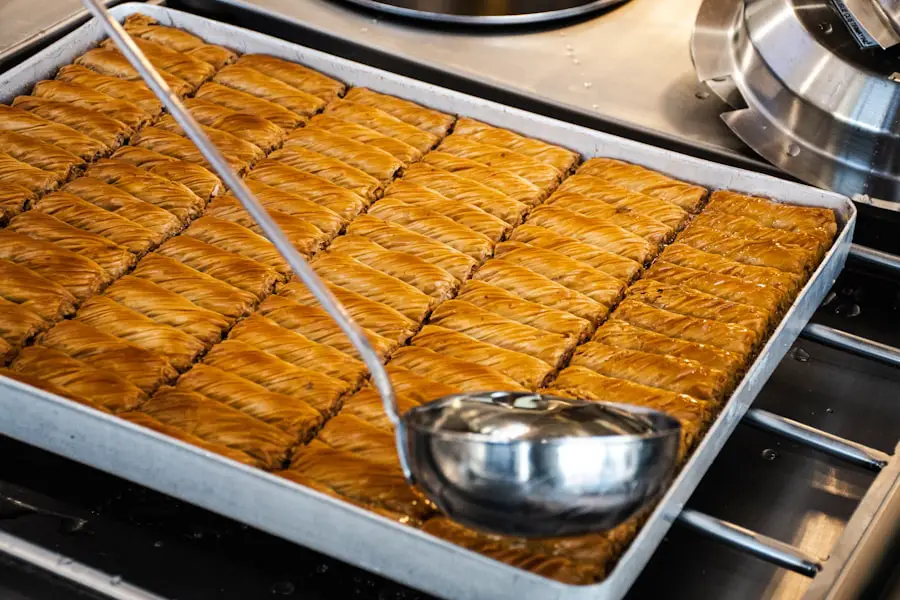
Sherbet has made its mark on popular culture through various forms of artistic expression. In literature, references to this sweet treat can be found in classic novels where characters indulge in lavish banquets or summer picnics featuring colorful desserts like sherbet. For instance, in F. Scott Fitzgerald’s “The Great Gatsby,” lavish parties are depicted with an array of extravagant foods including frozen delights that evoke the opulence of the Jazz Age. In film and television, sherbet often appears as a symbol of nostalgia or childhood innocence. Scenes featuring children enjoying scoops of brightly colored sherbet evoke feelings of joy and carefree summers spent outdoors.
Music has also embraced sherbet as a metaphor for sweetness and enjoyment. Lyrics referencing this delightful treat often convey themes of happiness and celebration. For example, songs that mention ice cream or frozen desserts frequently evoke imagery associated with summer fun and carefree moments spent with loved ones.
Sherbet-Inspired Recipes: Creative Ways to Enjoy This Classic Dessert
Beyond traditional scoops served in bowls or cones, there are numerous creative ways to incorporate sherbet into culinary creations. One popular method is to use sherbet as an ingredient in cocktails or mocktails; blending fruity sherbets with sparkling water or soda creates refreshing beverages perfect for summer gatherings. For instance, combining raspberry sherbet with lemon-lime soda results in a vibrant drink that’s both visually appealing and delicious.
Imagine layering lemon sherbet between sponge cake layers for a zesty dessert that balances sweetness with tartness—a delightful surprise for guests at any gathering. Additionally, sherbet can be used to create parfaits by alternating layers of fruit puree, granola, and dollops of sherbet for an eye-catching presentation that’s sure to impress.
For those looking for healthier options, consider making smoothie bowls topped with scoops of homemade fruit-based sherbet alongside fresh fruits and nuts for added texture and flavor contrast. This not only elevates breakfast but also provides an energizing start to the day while showcasing the versatility of this beloved frozen treat. In conclusion, sherbet’s rich history and diverse flavors make it a beloved dessert across cultures worldwide.
Its ability to adapt while retaining its essence speaks volumes about its enduring appeal as both a refreshing treat and an ingredient for creative culinary endeavors.
If you’re looking for a sweet treat to pair with your sherbet, you might want to try these Peanut-Studded Milk Chocolate Brownies from Flavorful Sips. The combination of rich chocolate and crunchy peanuts is sure to satisfy your sweet tooth. Check out the recipe here for a delicious dessert option to enjoy alongside your refreshing sherbet.
FAQs
What is sherbet?
Sherbet is a frozen dessert made from fruit juice or puree, sugar, and water. It is similar to sorbet but typically contains a small amount of dairy, such as milk or cream.
What is the difference between sherbet and sorbet?
The main difference between sherbet and sorbet is that sherbet contains a small amount of dairy, while sorbet does not contain any dairy at all. Sherbet also tends to have a creamier texture compared to the smoother, icier texture of sorbet.
Is sherbet dairy-free?
No, sherbet is not dairy-free. It typically contains a small amount of dairy, such as milk or cream, which gives it a creamy texture.
What flavors are available for sherbet?
Sherbet comes in a variety of fruit flavors, including orange, raspberry, lime, lemon, and pineapple. Some manufacturers also offer more unique flavors such as mango, passion fruit, and watermelon.
Is sherbet the same as ice cream?
No, sherbet is not the same as ice cream. While both are frozen desserts, sherbet contains less dairy and typically has a fruitier flavor compared to the rich, creamy taste of ice cream.
Can sherbet be made at home?
Yes, sherbet can be made at home using a combination of fruit juice or puree, sugar, water, and a small amount of dairy. There are many recipes available online for homemade sherbet.