

Lassi and chaas are traditional Indian beverages that have been enjoyed for centuries, with their origins deeply rooted in the agricultural practices of the Indian subcontinent. The history of these drinks can be traced back to ancient times when they were primarily made as a way to preserve surplus milk. The process of churning curd to create buttermilk, which is the base for chaas, and blending yogurt with water and spices to create lassi, reflects the agrarian lifestyle of early Indian communities.
The etymology of the word “lassi” is believed to derive from the Sanskrit term “lāsika,” which refers to a drink made from yogurt. In contrast, “chaas” comes from the Hindi word for buttermilk, which is a byproduct of churning yogurt.
Both drinks have been mentioned in ancient texts, including the Vedas, where they were associated with rituals and daily life. Over time, lassi and chaas evolved into popular refreshments, often consumed during meals or as a cooling agent in the sweltering heat of summer. Their significance transcends mere sustenance; they embody the cultural heritage and culinary traditions of India.
Key Takeaways
- Lassi and Chaas originated in the Indian subcontinent as traditional yogurt-based drinks
- Both drinks are made with yogurt, water, and spices, but lassi is sweet while chaas is savory
- Lassi and chaas are rich in probiotics, calcium, and protein, making them a healthy beverage choice
- Regional variations of lassi and chaas include different flavorings and additions, reflecting cultural diversity
- Lassi and chaas can be served as refreshing beverages on their own or paired with spicy Indian dishes
- Lassi and chaas have been adapted into modern cuisine, with variations like fruit lassi and flavored chaas becoming popular choices
Ingredients and Preparation
The preparation of lassi and chaas is relatively simple, yet it allows for a variety of flavors and textures that cater to different palates. Lassi is typically made from yogurt, water, sugar or salt, and various flavorings such as fruits, spices, or herbs. The most common type is sweet lassi, which incorporates sugar and often includes ingredients like mango or rosewater for added flavor.
To prepare sweet lassi, one would blend yogurt with water until smooth, then mix in sugar and any desired flavorings before serving chilled. On the other hand, chaas is primarily made from buttermilk, which is produced by churning yogurt with water. The resulting liquid is then seasoned with spices such as cumin, coriander, and salt.
Some variations may include chopped mint or cilantro for an added freshness. The preparation of chaas involves whisking the buttermilk until it is frothy and well-mixed, creating a light and refreshing drink that is perfect for hot weather. Both beverages can be garnished with a sprinkle of spices or herbs to enhance their visual appeal and flavor profile.
Nutritional Benefits of Lassi and Chaas
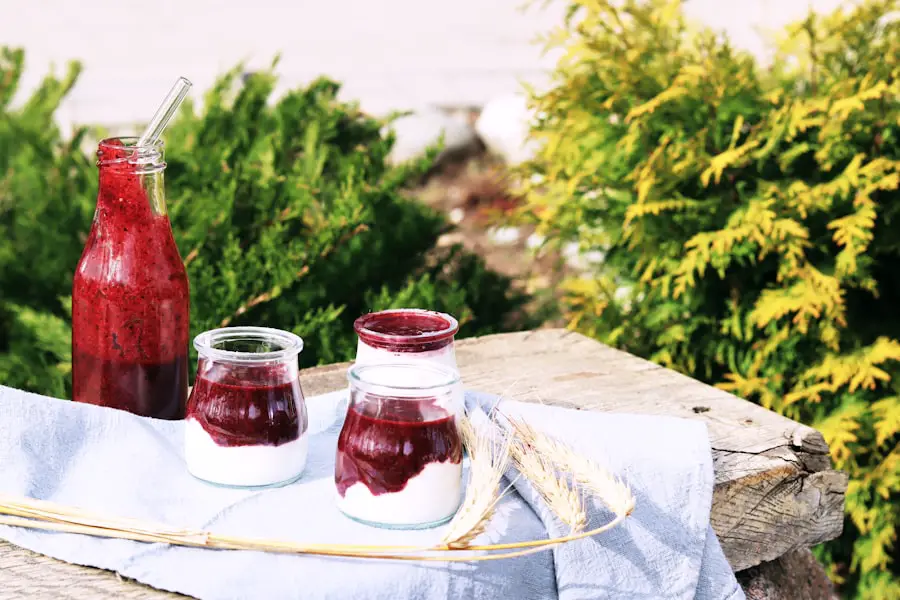
Lassi and chaas are not only delicious but also packed with nutritional benefits that make them valuable additions to a balanced diet.
The presence of live cultures in yogurt helps maintain a healthy balance of gut bacteria, which can lead to improved digestion and nutrient absorption.
In addition to their probiotic content, lassi and chaas are excellent sources of calcium and protein. Calcium is essential for maintaining strong bones and teeth, while protein plays a crucial role in muscle repair and growth. The hydration provided by these beverages is particularly beneficial in hot climates, as they help replenish lost fluids and electrolytes.
Furthermore, the spices used in chaas can have additional health benefits; for instance, cumin is known for its digestive properties, while mint can aid in soothing stomach discomfort. Overall, incorporating lassi and chaas into one’s diet can contribute to overall health and well-being.
Regional Variations and Cultural Significance
The diversity of India’s culinary landscape is reflected in the regional variations of lassi and chaas. In Punjab, for example, lassi is often served as a thick, creamy drink that can be sweetened or flavored with fruits like mango or served plain with a sprinkle of cardamom. This region’s lassi is typically richer due to the use of full-fat yogurt and sometimes even cream, making it a hearty accompaniment to spicy meals.
Conversely, in Gujarat, chaas takes on a slightly different form. It is often seasoned with ginger and green chilies, giving it a spicier kick that complements the region’s cuisine. In South India, buttermilk is commonly consumed as a cooling drink during meals, often flavored with curry leaves or mustard seeds.
These regional adaptations highlight not only the versatility of lassi and chaas but also their cultural significance as staples in various Indian households. They are often associated with hospitality and are served to guests as a gesture of warmth and welcome.
Serving and Pairing Suggestions
When it comes to serving lassi and chaas, presentation plays an important role in enhancing the overall experience. Lassi can be served in tall glasses or traditional clay cups known as “kulhads,” which add an earthy touch to the drink. Garnishing with fresh mint leaves or a sprinkle of cardamom powder can elevate its visual appeal while adding aromatic notes that entice the senses.
Chaas is typically served chilled in smaller glasses or bowls, often accompanied by a sprinkle of roasted cumin powder on top for added flavor. It pairs exceptionally well with spicy Indian dishes such as biryani or curries, as its cooling properties help balance out the heat from the spices. Additionally, both beverages can be enjoyed alongside snacks like pakoras or samosas, making them ideal companions for casual gatherings or festive occasions.
Lassi and Chaas in Modern Cuisine

Infusing Traditional Flavors with Modern Twists
Chefs have begun incorporating contemporary flavors and ingredients into lassi and chaas, resulting in unique and refreshing variations. For example, trendy cafes now offer lassi infused with exotic fruits like passion fruit or matcha green tea, catering to the growing demand for health-conscious beverages.
Plant-Based Variations for a Wider Audience
The rise of plant-based diets has led to the creation of non-dairy yogurts made from almonds or coconuts, allowing those who are lactose intolerant or following vegan diets to enjoy lassi and chaas. This adaptation not only makes these drinks more accessible but also retains their nutritional benefits.
A Timeless Appeal with Enduring Cultural Roots
The enduring appeal of lassi and chaas lies in their ability to adapt to modern culinary contexts while retaining their cultural roots. As they continue to evolve, these beverages serve as a reminder of India’s rich gastronomic heritage, appealing to contemporary tastes and dietary preferences.
If you’re interested in exploring unique and unexpected trends, you may enjoy reading about the cool ideas of the most unexpected interiors trend here. This article delves into creative and innovative design concepts that can inspire and transform living spaces.
FAQs
What is Lassi?
Lassi is a traditional Indian yogurt-based drink that is often flavored with spices, fruits, or herbs. It is a popular beverage in India, especially during the summer months.
What is Chaas?
Chaas, also known as buttermilk, is another traditional Indian yogurt-based drink. It is a savory beverage that is often flavored with spices like cumin, salt, and mint.
What are the main differences between Lassi and Chaas?
The main difference between Lassi and Chaas is their flavor profiles. Lassi is typically sweet and can be flavored with fruits or spices like cardamom, while Chaas is savory and often includes ingredients like cumin and salt.
Are there regional variations of Lassi and Chaas in India?
Yes, there are regional variations of both Lassi and Chaas in India. For example, in Punjab, Lassi is often made with malai (cream) and is known for its creamy texture, while in Gujarat, Chaas is often flavored with ginger and green chilies.
What are the health benefits of Lassi and Chaas?
Both Lassi and Chaas are rich in probiotics, which are beneficial for gut health. They are also a good source of calcium and protein. However, it’s important to note that the health benefits can vary depending on the ingredients used to make these drinks.
Can Lassi and Chaas be made at home?
Yes, both Lassi and Chaas can be easily made at home using yogurt, water, and flavorings of your choice. There are many recipes available online for making these traditional Indian drinks at home.