

Cannoli, the iconic Italian pastry, has a rich and storied history that traces its origins back to Sicily, where it was first created during the Arab rule in the 9th century. The name “cannoli” is derived from the Italian word “canna,” meaning “tube,” which aptly describes the pastry’s tubular shape. Initially, these delightful treats were made as part of the Carnevale festivities, a time of celebration and indulgence before the Lenten season.
The earliest versions of cannoli were filled with sweetened ricotta cheese, often flavored with citrus zest and chocolate, reflecting the region’s agricultural bounty and the influence of Arab culinary traditions. As cannoli gained popularity, they became a staple in Sicilian cuisine, often associated with family gatherings and special occasions. The pastry’s journey from a regional delicacy to an international sensation began in the late 19th century when Italian immigrants brought their culinary traditions to the United States.
In cities like New York and Chicago, cannoli quickly became a symbol of Italian-American culture, enjoyed by people of all backgrounds. Bakeries began to pop up in neighborhoods with large Italian populations, each adding their unique twist to the classic recipe while maintaining its essential characteristics.
Key Takeaways
- Cannoli originated in Sicily and has traveled from there to become a beloved dessert worldwide.
- Making the perfect cannoli involves creating a crispy shell and filling it with creamy, sweet ricotta cheese.
- Traditional cannoli flavors include pistachio and chocolate, while modern variations can include anything from fruity fillings to savory options.
- Cannoli holds cultural significance in Sicilian celebrations and festivals, often being a symbol of good luck and prosperity.
- Cannoli can be paired with sweet options like gelato or savory options like prosciutto, making it a versatile dessert choice.
The Art of Making Cannoli: From the Perfect Shell to the Creamy Filling
Creating the perfect cannoli is an art form that requires skill, patience, and attention to detail. The shell is a crucial component, traditionally made from a dough that includes flour, sugar, and a splash of white wine or vinegar for flavor and tenderness. The dough is rolled out thinly and wrapped around metal tubes before being deep-fried until golden brown and crisp.
Achieving the ideal texture is essential; the shell should be crunchy yet delicate enough to hold the creamy filling without becoming soggy. The filling is where creativity truly shines. Classic cannoli filling consists of ricotta cheese, which is often strained to remove excess moisture, ensuring a thick and creamy consistency.
Sugar is added for sweetness, along with vanilla extract or citrus zest for flavor. Many bakers also incorporate chocolate chips or candied fruit for added texture and taste. The filling is piped into the cooled shells just before serving to maintain their crispness, creating a delightful contrast between the crunchy exterior and the smooth, rich interior.
While traditional cannoli are filled with sweetened ricotta cheese, modern interpretations have expanded the flavor profile significantly. Bakeries around the world now offer an array of fillings that cater to diverse palates. For instance, some innovative bakers have experimented with flavors like pistachio, hazelnut, or even tiramisu-inspired fillings that incorporate coffee and mascarpone cheese.
These variations not only pay homage to the original recipe but also reflect contemporary culinary trends that embrace fusion and creativity. In addition to flavor variations, the shells themselves have also seen innovation.
Others have even created gluten-free options using alternative flours, making cannoli accessible to those with dietary restrictions. This evolution showcases how cannoli can adapt while still honoring its roots, allowing it to remain relevant in an ever-changing culinary landscape.
The Cultural Significance of Cannoli: Celebrations and Festivals
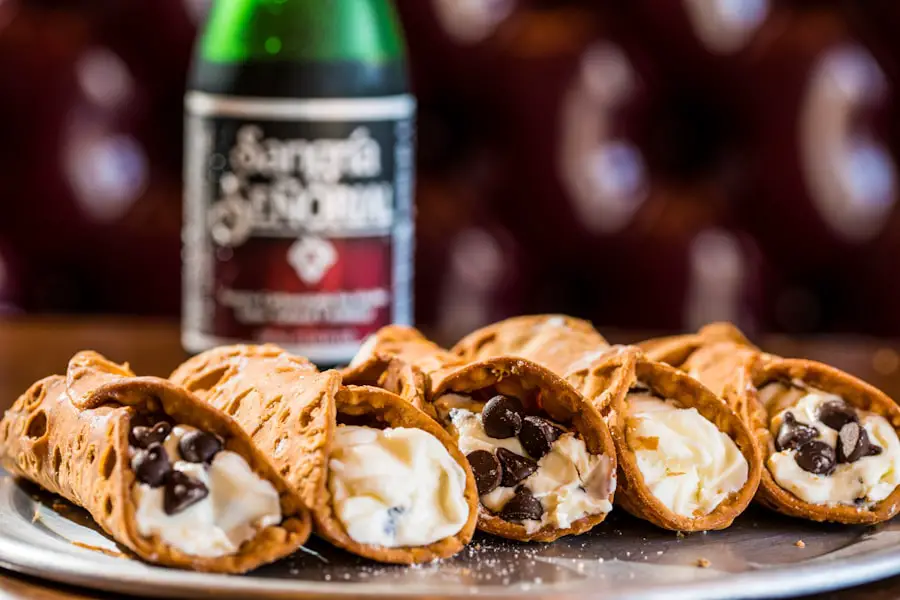
Cannoli hold a special place in Italian culture, often associated with celebrations and family gatherings. In Sicily, they are traditionally served during festive occasions such as weddings, birthdays, and religious holidays. The act of making cannoli can be a communal activity, bringing families together in the kitchen to share recipes and stories while crafting these beloved pastries.
This sense of togetherness is integral to the experience of enjoying cannoli, as they are not just a dessert but a symbol of heritage and familial bonds. Various festivals dedicated to cannoli celebrate this cultural significance across Italy and beyond. One notable event is the Cannoli Festival held annually in New York City’s Little Italy, where bakers showcase their best creations while visitors indulge in tastings and participate in cannoli-eating contests.
Such events highlight not only the culinary artistry involved in making cannoli but also their role in fostering community spirit and preserving Italian traditions in a modern context.
The Sweet and Savory Pairings: Perfect Combinations with Cannoli
| Cannoli Pairing | Recommended Pairing |
|---|---|
| Sweet Cannoli | Espresso or Cappuccino |
| Savory Cannoli | Prosecco or Chianti |
| Chocolate Dipped Cannoli | Port Wine or Stout Beer |
| Fruit-Filled Cannoli | Moscato or Champagne |
While cannoli are often enjoyed on their own as a sweet treat, they can also be paired with various flavors that enhance their appeal. A classic pairing is with espresso or strong coffee; the bitterness of the coffee beautifully complements the sweetness of the ricotta filling. This combination is particularly popular in Italy, where coffee culture is deeply ingrained in daily life.
The contrast between the rich creaminess of cannoli and the robust flavor of coffee creates a harmonious balance that elevates both experiences. For those looking to explore more adventurous pairings, cannoli can also be served alongside fresh fruit or even savory dishes. A light fruit salad featuring seasonal berries or citrus can provide a refreshing counterpoint to the richness of the pastry.
Additionally, some chefs have begun experimenting with savory versions of cannoli, using fillings like herbed ricotta or goat cheese paired with roasted vegetables. These innovative combinations challenge traditional notions of dessert while showcasing the versatility of cannoli as a culinary canvas.
The Global Appeal of Cannoli: How it has Captivated Taste Buds Worldwide
The global appeal of cannoli can be attributed to its unique combination of textures and flavors that resonate with diverse audiences. As Italian cuisine gained popularity worldwide, so too did its desserts, with cannoli standing out as a favorite among many. Its adaptability allows it to fit into various culinary contexts; whether served at an upscale restaurant or a casual family gathering, cannoli can be appreciated by all.
In countries like Australia and Canada, Italian immigrants have embraced cannoli as part of their cultural identity while also introducing local flavors into their recipes. For example, Australian bakers might incorporate native ingredients like macadamia nuts into their fillings or experiment with tropical fruit toppings. This fusion not only honors traditional recipes but also reflects local tastes and preferences, further solidifying cannoli’s status as a beloved dessert on a global scale.
The Rise of Cannoli in Popular Culture: From Movies to Social Media
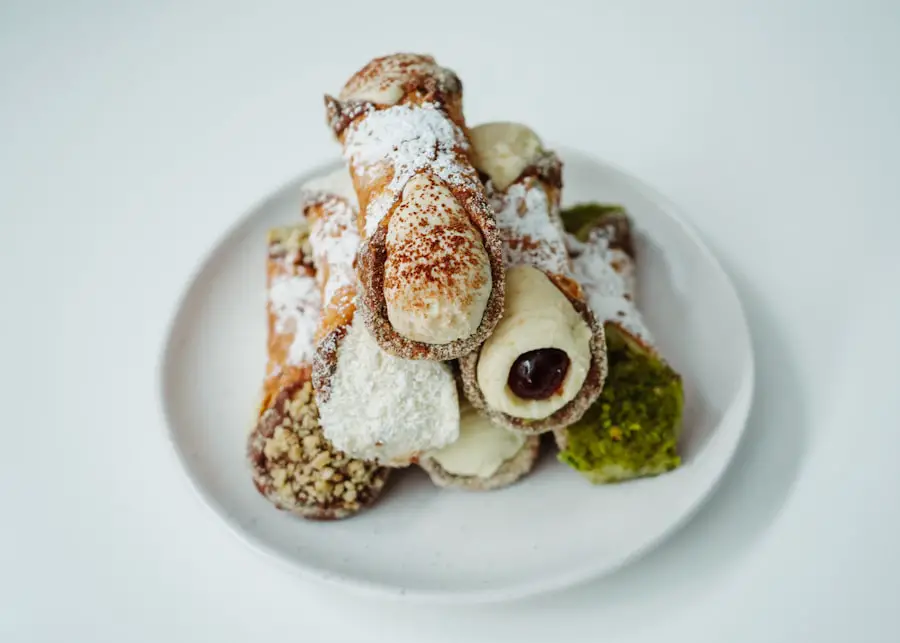
Cannoli have made significant strides into popular culture over recent decades, appearing in films, television shows, and social media platforms as symbols of indulgence and Italian heritage. Iconic scenes featuring cannoli can be found in movies like “The Godfather,” where they are presented as a symbol of comfort and familial love amidst chaos. Such portrayals have cemented cannoli’s status as more than just a dessert; they represent cultural identity and nostalgia for many viewers.
Social media has further propelled cannoli into the spotlight, with platforms like Instagram showcasing visually stunning versions of this classic pastry. Bakeries often share creative takes on cannoli through eye-catching photos and videos that highlight their unique flavors and artistic presentations. This digital presence has not only increased awareness but has also inspired home bakers to experiment with their own versions of cannoli, contributing to an ever-growing community passionate about this beloved treat.
The Timeless Allure of Cannoli: Why it Continues to be a Beloved Dessert Choice
The enduring popularity of cannoli can be attributed to several factors that resonate with dessert lovers across generations. First and foremost is its rich history and cultural significance; cannoli are steeped in tradition yet remain adaptable enough to evolve with changing tastes. This balance between honoring heritage while embracing innovation allows cannoli to maintain relevance in contemporary culinary discussions.
Moreover, the sensory experience offered by cannoli—crunchy shell paired with creamy filling—creates an irresistible combination that appeals to both texture enthusiasts and those with a sweet tooth. The versatility in flavors means there is likely a cannolo for everyone, whether one prefers classic ricotta or more adventurous fillings like salted caramel or matcha green tea. This wide-ranging appeal ensures that cannoli will continue to be cherished by dessert aficionados around the world for years to come.
If you’re looking for a delicious dessert to pair with your Cannoli, you might want to try this com/quinoa-salad-with-hazelnuts-apple-and-dried-cranberries/’>Quinoa Salad with Hazelnuts, Apple, and Dried Cranberries.
The combination of flavors in this salad would complement the sweetness of the Cannoli perfectly. It’s always fun to experiment with different dishes and flavors to create a well-rounded meal.
FAQs
What is a cannoli?
A cannoli is a traditional Italian pastry that consists of a tube-shaped shell of fried pastry dough, filled with a sweet, creamy filling usually containing ricotta cheese.
What is the origin of cannoli?
Cannoli originated in Sicily, Italy and are a popular dessert in Italian cuisine.
What are the typical ingredients in a cannoli filling?
The typical ingredients in a cannoli filling include ricotta cheese, sugar, vanilla, and sometimes chocolate chips or candied fruit.
How is a cannoli shell made?
The cannoli shell is made by rolling out pastry dough, cutting it into circles, and then wrapping the circles around metal cannoli tubes before frying them until they are crispy and golden brown.
What are some variations of cannoli?
Some variations of cannoli include different fillings such as pistachio, almond, or chocolate, as well as variations in the shell such as adding cocoa powder or using different shapes.
How is a cannoli traditionally served?
Cannoli are traditionally served as a dessert, often dusted with powdered sugar and sometimes garnished with chopped pistachios or a maraschino cherry.