

Pancakes have long held a cherished place in breakfast traditions around the world, transcending cultural boundaries and appealing to a wide array of palates. Their versatility and simplicity make them an ideal choice for both leisurely weekend brunches and quick weekday breakfasts. Originating from ancient civilizations, pancakes have evolved into various forms, from the thin crepes of France to the fluffy buttermilk varieties popular in the United States.
This beloved dish not only satisfies hunger but also serves as a canvas for creativity, allowing cooks to experiment with flavors and textures. The allure of pancakes lies not only in their taste but also in the communal experience they foster. Whether enjoyed at a bustling diner or prepared at home, pancakes often bring people together, creating moments of connection over shared meals.
The aroma of pancakes sizzling on a griddle can evoke nostalgia, reminding many of childhood mornings spent with family. As breakfast options go, pancakes are not just food; they are an experience that can be tailored to individual preferences, making them a timeless choice for any meal of the day.
Key Takeaways
- Pancakes are a delicious and versatile breakfast option that can be customized with a variety of toppings and add-ins.
- The key ingredients for the perfect pancake recipe include flour, eggs, milk, baking powder, sugar, and salt.
- Follow step-by-step instructions for making pancakes, including mixing the dry and wet ingredients, and cooking on a hot griddle until golden brown.
- Tips for flipping and cooking pancakes include using a non-stick pan, waiting for bubbles to form before flipping, and adjusting the heat as needed.
- Get creative with toppings and add-ins for pancakes, such as fresh fruit, nuts, chocolate chips, and flavored syrups.
- Healthier alternatives for pancake ingredients include whole wheat flour, almond milk, and natural sweeteners like honey or maple syrup.
- Serve pancakes with a variety of pairings, such as bacon, eggs, fresh fruit, and a hot cup of coffee or tea.
- In conclusion, enjoy the perfect pancake breakfast by experimenting with different flavors and combinations to find your favorite.
Ingredients for the Perfect Pancake Recipe
Creating the perfect pancake begins with selecting the right ingredients, each playing a crucial role in achieving that ideal balance of flavor and texture. The foundation of any pancake recipe typically includes flour, eggs, milk, and a leavening agent such as baking powder. All-purpose flour is commonly used for its versatility, but whole wheat flour or gluten-free alternatives can also be employed to cater to dietary preferences.
The choice of milk—whether whole, skim, or plant-based—can influence the richness of the batter, while eggs contribute to the structure and moisture. In addition to these staples, flavor enhancers such as vanilla extract or a pinch of salt can elevate the taste profile of pancakes. For those who enjoy a hint of sweetness, sugar or honey can be added to the batter.
Furthermore, incorporating ingredients like melted butter or oil can enhance the pancakes’ tenderness and prevent them from sticking to the cooking surface. The beauty of pancake-making lies in its adaptability; one can easily modify the basic recipe to suit personal tastes or dietary restrictions.
Step-by-Step Instructions for Making Pancakes
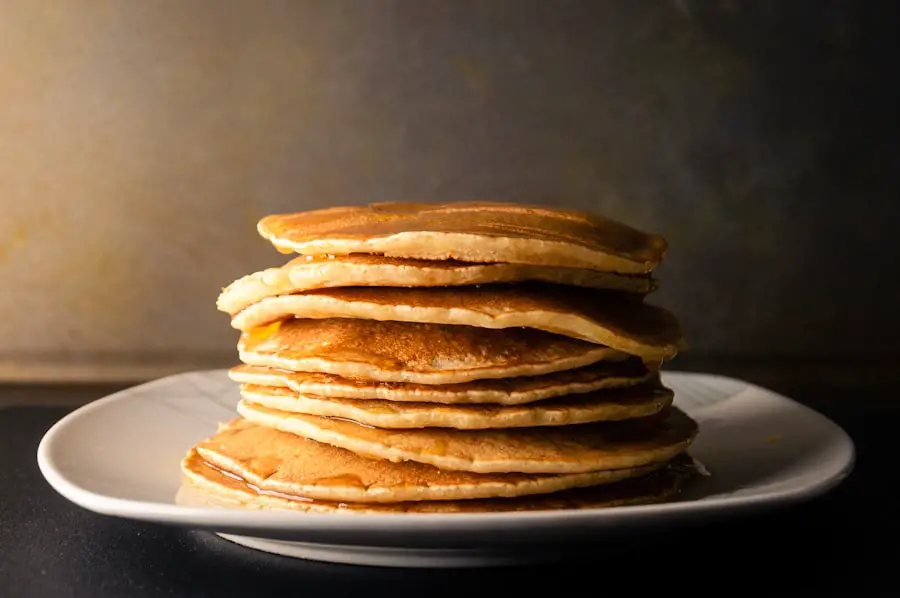
To embark on the journey of pancake-making, one must first gather all necessary ingredients and tools. Begin by measuring out the dry ingredients: typically, two cups of flour, two tablespoons of sugar, two teaspoons of baking powder, and a pinch of salt. In a separate bowl, whisk together the wet ingredients: two large eggs, one and three-quarters cups of milk, and two tablespoons of melted butter or oil.
Once both mixtures are prepared, create a well in the center of the dry ingredients and pour in the wet mixture.
Gently stir until just combined; it is crucial not to overmix, as this can lead to tough pancakes. A few lumps are perfectly acceptable. Allow the batter to rest for about five minutes while preheating a non-stick skillet or griddle over medium heat. Lightly grease the cooking surface with butter or oil before ladling about one-third cup of batter onto it. Cook until bubbles form on the surface and the edges appear set, then flip and cook until golden brown on both sides.
Tips for Flipping and Cooking Pancakes
| Tip | Description |
|---|---|
| Use a non-stick pan | Prevent pancakes from sticking to the pan |
| Wait for bubbles to form | Indicates when to flip the pancake |
| Use a spatula | To carefully flip the pancake |
| Adjust heat as needed | To prevent burning or undercooking |
| Practice makes perfect | Don’t be discouraged by the first few attempts |
Flipping pancakes can be an art form in itself, requiring both timing and technique to achieve that perfect golden-brown finish. One key tip is to wait until bubbles form on the surface of the pancake before attempting to flip it; this indicates that the batter is cooked through enough to hold its shape. Using a wide spatula can help ensure that you get under the pancake without breaking it apart.
Gently slide the spatula beneath the pancake and lift it with confidence; a swift motion will help prevent any mishaps. Another important aspect of cooking pancakes is maintaining an even temperature on your cooking surface. If your skillet is too hot, pancakes may burn on the outside while remaining raw on the inside.
Conversely, if it’s too cool, they may turn out pale and undercooked. A good rule of thumb is to test the heat by sprinkling a few drops of water onto the skillet; if they sizzle and evaporate quickly, it’s ready for cooking. Additionally, consider cooking in batches; keeping finished pancakes warm in an oven set to low heat allows you to serve them all at once without sacrificing quality.
Creative Toppings and Add-Ins for Pancakes
The true joy of pancakes lies in their ability to be customized with an array of toppings and add-ins that cater to diverse tastes. Classic options include maple syrup, fresh fruit like strawberries or blueberries, whipped cream, and even chocolate chips for those with a sweet tooth. However, adventurous cooks can explore more unconventional toppings such as yogurt drizzled with honey, nut butters spread thickly across the surface, or even savory options like sautéed mushrooms and spinach for a unique twist.
Incorporating add-ins directly into the batter can also enhance flavor and texture. Chopped nuts such as walnuts or pecans add crunch, while spices like cinnamon or nutmeg can infuse warmth into each bite. For a seasonal touch, consider adding pumpkin puree in autumn or grated zucchini in summer for added moisture and nutrition.
The possibilities are virtually endless; experimenting with different combinations can lead to delightful discoveries that elevate your pancake experience.
Healthier Alternatives for Pancake Ingredients
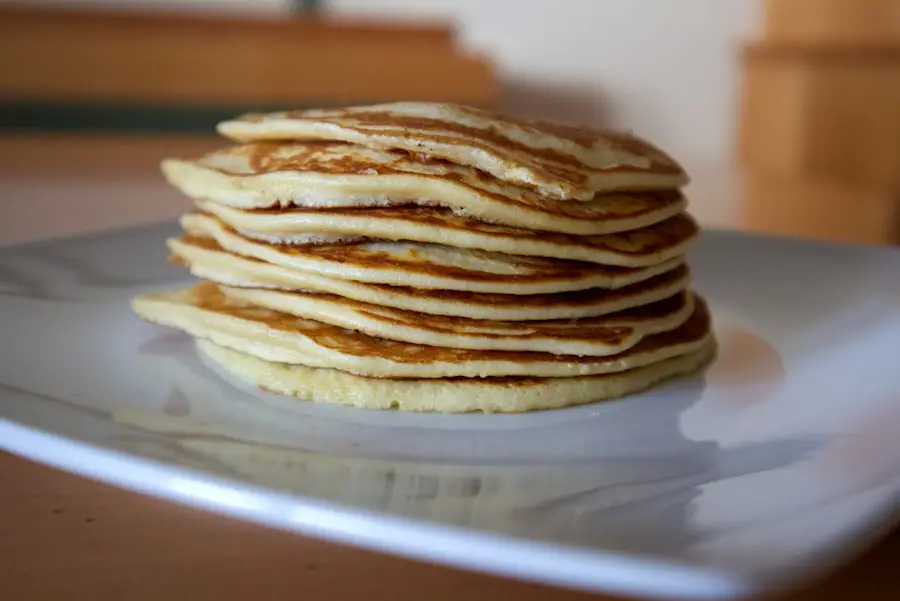
For those seeking healthier alternatives without sacrificing flavor, there are numerous substitutions that can be made in traditional pancake recipes. Instead of all-purpose flour, consider using whole wheat flour or almond flour for added fiber and nutrients.
Additionally, using unsweetened applesauce or mashed bananas in place of sugar can provide natural sweetness while reducing added sugars. When it comes to dairy products, opting for low-fat milk or plant-based milks such as almond or oat milk can significantly cut down on calories while still delivering a delicious result. For those looking to reduce cholesterol intake, egg substitutes like flaxseed meal mixed with water or commercial egg replacers can work effectively in pancake recipes.
Furthermore, incorporating ingredients like Greek yogurt into the batter can boost protein content while keeping pancakes moist and fluffy.
Serving Suggestions and Pairings for Pancakes
Pancakes are incredibly versatile when it comes to serving suggestions and pairings that can enhance their appeal at breakfast or brunch gatherings. For a complete meal experience, consider serving pancakes alongside crispy bacon or sausage links; the savory elements provide a delightful contrast to the sweetness of syrup-drenched pancakes. Fresh fruit salads or yogurt parfaits can also complement pancakes beautifully, adding freshness and balance to the meal.
Beverage pairings play an equally important role in elevating the pancake experience. A steaming cup of coffee or tea can provide a comforting warmth that pairs well with breakfast foods. For those who prefer something more refreshing, freshly squeezed orange juice or smoothies made with fruits and greens can offer a vibrant start to the day.
Additionally, consider serving flavored syrups—such as berry-infused or vanilla syrup—alongside traditional maple syrup for guests to explore different taste profiles.
Enjoying the Perfect Pancake Breakfast
Pancakes represent more than just a breakfast option; they embody comfort, creativity, and connection among family and friends. With their rich history and adaptability, pancakes have become a staple in many households around the globe. By mastering the art of pancake-making—from selecting quality ingredients to experimenting with toppings—anyone can create a memorable breakfast experience that delights both young and old alike.
As you embark on your pancake journey, remember that each batch is an opportunity for exploration and enjoyment. Whether you prefer them fluffy or thin, sweet or savory, pancakes offer endless possibilities for personalization that cater to every taste bud. So gather your loved ones around the table, pour some syrup over those golden stacks, and savor each bite as you celebrate this timeless breakfast favorite together.
If you’re looking for a healthy and delicious alternative to pancakes, you might want to try making a Quinoa Salad with Hazelnuts, Apple, and Dried Cranberries. This flavorful dish is packed with nutritious ingredients and is perfect for a light and refreshing meal. Check out the recipe here for a tasty and satisfying dish that will leave you feeling satisfied and energized.
FAQs
What are pancakes?
Pancakes are a type of flat cake, often round in shape, made from a batter that usually contains flour, eggs, milk, and butter. They are typically cooked on a hot griddle or frying pan.
What are some common toppings for pancakes?
Common toppings for pancakes include maple syrup, fruit (such as berries or bananas), whipped cream, chocolate chips, and butter. Some people also enjoy savory toppings like bacon or cheese.
What is the origin of pancakes?
Pancakes have a long history and are found in almost every culture. They are thought to have originated in ancient Greece and were made from wheat flour, olive oil, honey, and curdled milk. They have since evolved into various forms and recipes around the world.
What is the difference between pancakes and crepes?
The main difference between pancakes and crepes is the thickness of the batter. Pancakes have a thicker batter and are typically fluffier, while crepes have a thin, runny batter and are cooked to be thin and delicate.
Are pancakes typically eaten for breakfast?
Pancakes are often associated with breakfast, but they can be enjoyed at any time of day. In some cultures, pancakes are a popular dessert or snack, and they can be served with a variety of sweet or savory toppings.