

The history of biscuits is a fascinating journey that spans centuries and continents, reflecting the evolution of culinary practices and cultural exchanges. The term “biscuit” has its roots in the Latin word “bis coctus,” which translates to “twice baked.” This method of preparation was initially employed to create a durable food item that could withstand long journeys, particularly for sailors and soldiers. The earliest biscuits were hard, dry, and often unpalatable, designed primarily for preservation rather than enjoyment.
As time progressed, the biscuit underwent significant transformations, particularly in Europe during the Middle Ages. The introduction of sugar and spices from the East led to the creation of sweeter varieties, which began to resemble the biscuits we know today.
In England, the 17th century saw the emergence of “sweet biscuits,” which were often flavored with ingredients like ginger and cinnamon. The Industrial Revolution further revolutionized biscuit production, allowing for mass manufacturing and the introduction of new flavors and textures. By the 19th century, biscuits had become a staple in British households, with iconic brands like McVitie’s and Huntley & Palmers emerging to dominate the market.
Key Takeaways
- Biscuits have a long history dating back to ancient civilizations, with different variations evolving over time.
- There are various types of biscuits, including sweet, savory, and flaky, each with its own unique ingredients and flavors.
- Biscuits are enjoyed around the world, with different countries having their own traditional recipes and methods of preparation.
- Biscuit recipes can be adapted for different occasions, from simple tea biscuits to more elaborate holiday treats.
- Tips for baking the perfect biscuit include using cold ingredients, handling the dough gently, and ensuring even baking for a golden, flaky result.
The Different Types of Biscuits
Biscuits can be broadly categorized into several types, each with its unique characteristics and preparation methods. One of the most popular categories is the “sweet biscuit,” which includes varieties such as chocolate chip cookies, shortbread, and digestive biscuits. Sweet biscuits are typically made with sugar, butter, and flour, resulting in a tender and crumbly texture.
Chocolate chip cookies, for instance, are beloved for their gooey chocolate centers and crisp edges, making them a favorite among both children and adults. On the other hand, “savory biscuits” offer a delightful contrast to their sweet counterparts. These biscuits are often seasoned with herbs, cheese, or spices, making them perfect for pairing with soups or cheese platters.
Examples include cheese straws and herb-infused crackers. The texture of savory biscuits can vary from flaky to crunchy, depending on the ingredients used. Additionally, there are regional variations such as Southern-style biscuits in the United States, which are fluffy and buttery, often served alongside fried chicken or gravy.
Biscuits Around the World
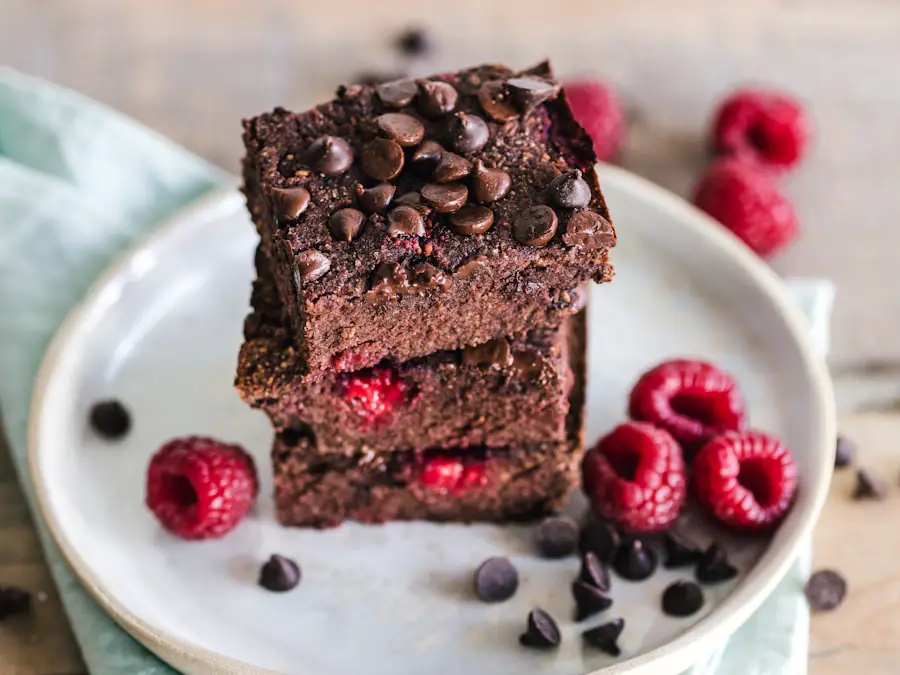
The concept of biscuits transcends cultural boundaries, with each region offering its unique take on this beloved baked good. In France, for example, “biscuit” refers to a variety of baked goods that can range from delicate meringues to rich butter cookies known as “sablés.” French biscuits often emphasize high-quality ingredients and intricate techniques, showcasing the country’s culinary artistry. In contrast, Italy boasts its own biscuit traditions with treats like “biscotti,” which are twice-baked cookies that are typically enjoyed with coffee or dessert wine.
Biscotti are known for their crunchy texture and can be flavored with nuts, chocolate, or dried fruits. Meanwhile, in India, “biscuits” often refer to sweet cookies that are enjoyed with tea. These Indian biscuits can be flavored with cardamom or coconut and are typically crisp and crumbly.
The diversity of biscuits extends to Asia as well, where countries like China have their own interpretations. Chinese mooncakes, while not biscuits in the traditional sense, share similarities in texture and are often filled with sweet or savory fillings. These treats are especially popular during the Mid-Autumn Festival and highlight the cultural significance of baked goods in various societies.
Biscuit Recipes for Every Occasion
| Recipe Name | Difficulty Level | Preparation Time | Servings |
|---|---|---|---|
| Chocolate Chip Cookies | Easy | 30 minutes | 12 cookies |
| Butter Shortbread | Intermediate | 45 minutes | 24 cookies |
| Oatmeal Raisin Cookies | Easy | 40 minutes | 18 cookies |
| Almond Biscotti | Intermediate | 1 hour | 24 biscotti |
Biscuit recipes are as diverse as their cultural interpretations, offering something for every occasion. For a casual gathering or afternoon tea, classic scones are an excellent choice. Made with flour, butter, sugar, and milk or cream, scones can be sweetened with fruits like blueberries or cranberries or served plain with clotted cream and jam.
Their light and flaky texture makes them a delightful addition to any tea party. For festive occasions such as holidays or birthdays, gingerbread cookies are a perennial favorite. These spiced cookies can be cut into various shapes and decorated with icing for a festive touch.
The combination of molasses and warm spices creates a rich flavor profile that evokes nostalgia during the holiday season. Another popular recipe is the chocolate chip cookie; its versatility allows for endless variations—adding nuts or using different types of chocolate can elevate this classic treat. For those looking to impress at a dinner party, savory biscuits like cheese scones or herbed crackers can be a hit.
These can be served alongside charcuterie boards or soups, providing a delightful contrast to richer dishes. The addition of sharp cheddar or fresh herbs can elevate these simple recipes into gourmet offerings that will leave guests raving about your culinary skills.
Tips for Baking the Perfect Biscuit
Baking the perfect biscuit requires attention to detail and an understanding of the ingredients involved. One crucial tip is to ensure that all ingredients are cold before mixing. Using cold butter helps create a flaky texture by preventing the fat from fully incorporating into the flour.
This results in layers that create that desirable lightness in the final product. Additionally, using cold liquid—such as milk or buttermilk—can further enhance this effect. Another important aspect is not to overwork the dough.
When mixing the ingredients, it’s essential to combine them just until they come together; over-kneading can lead to tough biscuits rather than tender ones. A gentle folding technique is often recommended to maintain the integrity of the dough while ensuring even distribution of ingredients. Baking temperature also plays a significant role in achieving perfect biscuits.
Preheating the oven is essential to ensure that biscuits rise properly during baking. A hot oven helps create steam quickly, which contributes to their fluffiness. Finally, allowing biscuits to cool slightly before serving can enhance their flavor and texture; this brief resting period allows moisture to redistribute throughout the biscuit.
Pairing Biscuits with Other Foods
Sweet Biscuits and Beverages
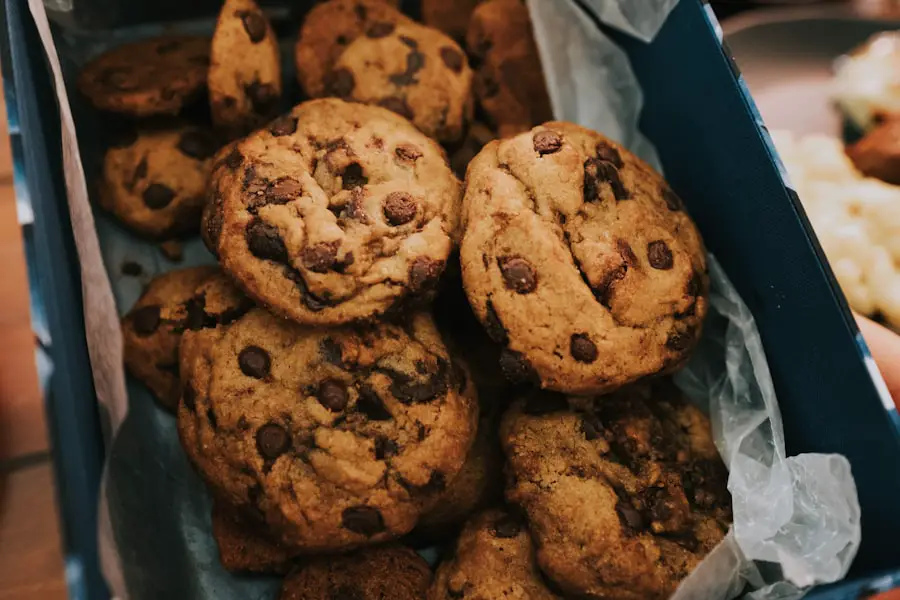
Sweet biscuits often pair beautifully with beverages such as tea or coffee. For instance, buttery shortbread cookies complement a cup of Earl Grey tea perfectly, while chocolate chip cookies are best enjoyed alongside a glass of cold milk.
Savory Biscuits and Appetizers
Savory biscuits offer their own pairing possibilities; cheese straws or herbed crackers can be served with an array of cheeses and charcuterie items for an elegant appetizer spread. The saltiness of cheese contrasts nicely with the buttery flavor of these biscuits, creating a harmonious balance on the palate. Additionally, serving savory biscuits alongside soups or stews can elevate a simple meal into something more sophisticated.
Biscuits and Desserts
For dessert pairings, consider serving sweet biscuits with fresh fruits or whipped cream. A classic strawberry shortcake utilizes layers of sweet biscuits topped with macerated strawberries and whipped cream for a delightful summer treat. Alternatively, crumbled cookies can serve as a topping for ice cream or yogurt parfaits, adding texture and flavor to these desserts.
Biscuits as a Comfort Food
Biscuits hold a special place in many cultures as comfort food—a source of warmth and nostalgia that evokes fond memories of home cooking and family gatherings. The act of baking biscuits can be therapeutic; measuring ingredients and kneading dough provides a sense of accomplishment that many find soothing. The aroma of freshly baked biscuits wafting through the kitchen can evoke feelings of comfort and security.
In many households, biscuits are associated with family traditions and celebrations. Whether it’s a Sunday brunch featuring fluffy buttermilk biscuits or holiday gatherings where gingerbread cookies take center stage, these baked goods often play a central role in creating cherished memories. Sharing homemade biscuits with loved ones fosters connection and reinforces bonds through shared experiences around food.
Moreover, biscuits can serve as a reminder of simpler times—a nostalgic nod to childhood when treats were often homemade and enjoyed without reservation. This emotional connection elevates biscuits beyond mere sustenance; they become symbols of love and care that transcend generations.
The Health Benefits of Biscuits
While biscuits are often viewed as indulgent treats, they can also offer health benefits when made with wholesome ingredients. Whole grain flours can be used in biscuit recipes to increase fiber content while providing essential nutrients such as B vitamins and minerals like iron and magnesium. Incorporating oats or nuts into biscuit recipes not only enhances flavor but also adds healthy fats and protein.
Additionally, using natural sweeteners like honey or maple syrup instead of refined sugars can make biscuits healthier without sacrificing taste. These alternatives provide antioxidants and may have lower glycemic indices compared to traditional sugars. Furthermore, adding fruits such as blueberries or bananas can boost vitamins while adding natural sweetness.
Portion control is another aspect to consider when enjoying biscuits as part of a balanced diet. By savoring smaller servings or pairing them with nutrient-dense foods like yogurt or fruit, one can enjoy the pleasure of biscuits while maintaining overall health goals. Ultimately, when made thoughtfully, biscuits can be both delicious treats and nutritious additions to one’s diet.
If you’re a fan of indulgent treats like biscuits, you may also enjoy trying out some deliciously rich and decadent brownie recipes. Check out this article on fudgy brownies from Deliciously Ella for a mouthwatering twist on a classic dessert. These brownies are sure to satisfy your sweet tooth and leave you craving more!
FAQs
What are biscuits?
Biscuits are a type of baked bread product that is typically made from flour, baking powder, butter, and milk or buttermilk. They are often served as a side dish with meals or used as a base for dishes like biscuits and gravy.
What is the difference between American and British biscuits?
In the United States, biscuits are a soft, flaky bread product that is often served with butter or gravy. In the United Kingdom, the term “biscuit” refers to what Americans would call a cookie. British biscuits are typically sweet and crunchy, and are often enjoyed with tea.
How are biscuits typically served?
Biscuits are often served as a side dish with meals, particularly in the southern United States where they are a staple of southern cuisine. They can also be used as a base for dishes like biscuits and gravy, or enjoyed on their own with butter or jam.
What are some common variations of biscuits?
There are many variations of biscuits, including buttermilk biscuits, cheese biscuits, and sweet biscuits with added sugar or fruit. Biscuits can also be flavored with herbs, spices, or cheese to create different flavor profiles.
How are biscuits typically made?
Biscuits are typically made by combining flour, baking powder, salt, and sometimes sugar in a bowl. Cold butter is then cut into the dry ingredients until the mixture resembles coarse crumbs. Liquid, such as milk or buttermilk, is then added to form a dough, which is then rolled out and cut into rounds before baking.