

Kahwa, a traditional beverage from the picturesque region of Kashmir, has a rich history that intertwines with the cultural fabric of the area. This aromatic tea has been enjoyed for centuries, with its origins tracing back to the ancient Silk Road, where traders and travelers would stop to savor its unique flavors. The word “Kahwa” itself is derived from the Arabic term for “coffee,” reflecting the historical trade connections between the Middle East and the Indian subcontinent.
Over time, Kahwa evolved from its initial coffee-like roots into a distinct green tea preparation, infused with spices and nuts, which became a staple in Kashmiri households. The preparation of Kahwa is steeped in tradition, often associated with the hospitality of the Kashmiri people. It is not merely a drink but a symbol of warmth and welcome, served to guests as a gesture of goodwill.
Historical texts and accounts from travelers such as Sir Walter Lawrence and others have documented the significance of Kahwa in Kashmiri culture, highlighting its role in social gatherings and celebrations. The beverage has transcended its origins, becoming a cherished part of Kashmiri identity, often enjoyed during the harsh winters when its warming properties are most appreciated.
Key Takeaways
- Kahwa is a traditional Kashmiri beverage with a rich history dating back centuries.
- The ingredients for Kahwa include green tea leaves, saffron, cardamom, cinnamon, and almonds, creating a fragrant and flavorful tea.
- Kahwa is known for its health benefits, including aiding digestion, boosting immunity, and providing a soothing warmth.
- In Kashmiri culture, serving Kahwa is a symbol of hospitality and warmth, often offered to guests as a gesture of welcome.
- Variations of Kahwa include different flavors and additions such as rose petals, cloves, and even honey, allowing for a diverse range of tastes.
The Ingredients and Preparation of Kahwa: A Fragrant and Flavorful Tea
The Blend of Spices
Traditionally, Kahwa is infused with a blend of spices, including cardamom, cinnamon, and sometimes saffron, which adds a luxurious touch to the drink. The use of these spices not only enhances the flavor but also contributes to the overall aroma, making Kahwa a sensory delight.
The Preparation Process
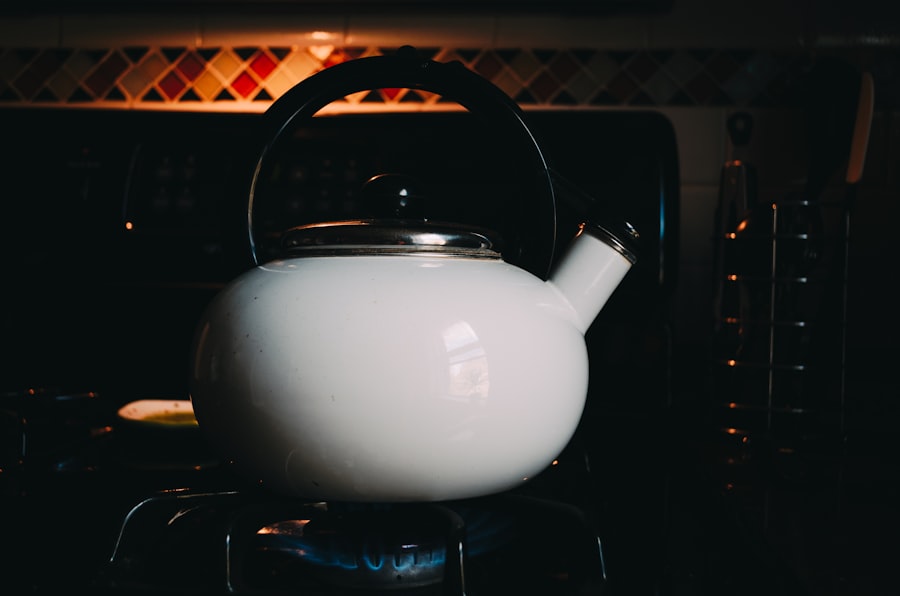
The preparation process begins with boiling water in a traditional brass kettle called a “samovar.” Once the water reaches a rolling boil, the green tea leaves are added along with crushed cardamom pods and cinnamon sticks. The mixture is allowed to simmer for several minutes, allowing the flavors to meld together. Afterward, sugar or honey can be added according to taste, followed by a generous sprinkle of crushed almonds or walnuts for added texture and richness.
The Final Touches
The final step involves straining the tea into small cups or bowls, often garnished with a few strands of saffron or a sprinkle of additional nuts. This meticulous preparation process not only ensures a delightful beverage but also reflects the care and attention that goes into making Kahwa.
The Health Benefits of Kahwa: A Warm and Soothing Drink
Kahwa is not just a delicious beverage; it also boasts numerous health benefits that have been recognized for generations. One of the primary advantages of Kahwa lies in its base ingredient—green tea—which is renowned for its high levels of antioxidants. These antioxidants help combat oxidative stress in the body, potentially reducing the risk of chronic diseases such as heart disease and cancer.
Additionally, green tea has been linked to improved metabolism and weight management, making Kahwa an excellent choice for those looking to maintain a healthy lifestyle. The spices used in Kahwa further enhance its health benefits. Cardamom, for instance, is known for its digestive properties and can help alleviate bloating and discomfort after meals.
Cinnamon has been shown to have anti-inflammatory effects and may help regulate blood sugar levels. Saffron, often considered a luxury ingredient in Kahwa, is believed to have mood-enhancing properties and may aid in reducing symptoms of anxiety and depression. Together, these ingredients create a warm and soothing drink that not only comforts during cold winter months but also supports overall well-being.
The Cultural Significance of Kahwa: A Symbol of Hospitality and Warmth
In Kashmiri culture, Kahwa transcends its role as a mere beverage; it embodies hospitality and warmth. Serving Kahwa to guests is considered an essential part of Kashmiri etiquette, reflecting the region’s deep-rooted traditions of welcoming visitors with open arms. The act of preparing and serving this fragrant tea is often accompanied by elaborate rituals that emphasize respect and care for guests.
It is common for families to gather around the samovar, sharing stories and laughter while enjoying cups of Kahwa together. Kahwa also plays a significant role in various cultural celebrations and festivals throughout Kashmir. During weddings and religious ceremonies, it is customary to serve Kahwa as part of the festivities, symbolizing joy and togetherness.
The beverage’s presence at such events highlights its importance in fostering community bonds and creating lasting memories. Moreover, Kahwa has become an integral part of Kashmiri identity, representing not only the region’s culinary heritage but also its resilience and ability to adapt through changing times.
Variations of Kahwa: Exploring Different Flavors and Additions
While traditional Kahwa holds a special place in Kashmiri culture, various regional adaptations have emerged over time, each offering unique flavors and additions that cater to diverse palates. One popular variation includes the addition of rose petals or rose water, which imparts a delicate floral aroma to the tea. This version is particularly favored during special occasions or celebrations, adding an element of elegance to the drink.
Another intriguing variation is “Noon Kahwa,” which incorporates salt instead of sugar, creating a savory twist on the classic recipe. This version is often garnished with crushed pistachios or almonds and is believed to be particularly refreshing during hot summer months. Additionally, some modern interpretations have introduced ingredients like ginger or lemon zest to enhance the flavor profile further.
These variations not only showcase the versatility of Kahwa but also reflect the evolving tastes and preferences of those who enjoy this beloved beverage.
Serving and Enjoying Kahwa: The Rituals and Traditions of Drinking Kashmir’s Spiced Green Tea
The experience of drinking Kahwa goes beyond simply savoring its flavors; it encompasses a series of rituals and traditions that elevate the act into a cherished social event. In many Kashmiri households, serving Kahwa begins with the careful preparation in a samovar, which serves as both a kettle and an aesthetic centerpiece during gatherings. The act of pouring Kahwa into small cups or bowls is often accompanied by warm conversations and laughter, creating an atmosphere of camaraderie among family members and friends.
Traditionally, Kahwa is enjoyed while seated on “dastarkhwan,” a beautifully laid-out spread that includes various snacks such as “sheermal” (a type of bread) or “kashmiri naan.” This communal aspect of enjoying Kahwa fosters connections among those present, allowing them to share stories and experiences over steaming cups of this aromatic tea. In winter months, it becomes even more significant as families huddle together around fires or heaters, sipping on Kahwa while discussing their day or reminiscing about cherished memories.
Its rich flavors, health benefits, cultural significance, variations, and serving traditions all contribute to its status as a beloved drink that continues to warm hearts across generations. Whether enjoyed alone or shared among friends and family, Kahwa remains an integral part of life in Kashmir—a true testament to the region’s enduring spirit and warmth.
If you’re looking for a delicious recipe to pair with your Kahwa Comfort tea, you might want to try making Crispy Salmon with Corn, Blackberry, and Shishito Salad. This flavorful dish from Flavorful Sips combines the richness of salmon with the sweetness of blackberries and the heat of shishito peppers for a truly unique and satisfying meal. Check out the recipe here for a perfect pairing with your Kashmir’s Spiced Green Tea.
FAQs
What is Kahwa?
Kahwa is a traditional green tea preparation from the Kashmir region of India. It is known for its unique blend of green tea, spices, and nuts.
What are the ingredients used in Kahwa?
The main ingredients used in Kahwa include green tea leaves, saffron, cinnamon, cardamom, and almonds. Sometimes, rose petals and cloves are also added for flavor.
How is Kahwa prepared?
To prepare Kahwa, green tea leaves are brewed with water and then infused with saffron, cinnamon, cardamom, and almonds. The tea is then simmered for a few minutes before being served hot.
What are the health benefits of Kahwa?
Kahwa is known for its various health benefits, including aiding digestion, boosting metabolism, and providing relief from cold and flu symptoms. The spices and nuts used in Kahwa are also rich in antioxidants and can help improve overall well-being.
Is Kahwa a popular beverage in Kashmir?
Yes, Kahwa is a popular and traditional beverage in Kashmir. It is often served to guests as a gesture of hospitality and is also enjoyed during the cold winter months.