

Glaze is a fundamental component in ceramics, serving both aesthetic and functional purposes. At its core, glaze is a glass-like coating that is applied to the surface of pottery and ceramic pieces. It is composed of silica, fluxes, and alumina, which together create a smooth, often shiny finish when fired in a kiln.
The silica provides the glass-forming properties, while fluxes lower the melting point of silica, allowing it to fuse during the firing process. Alumina acts as a stabilizer, ensuring that the glaze adheres properly to the clay body and maintains its integrity during firing. The application of glaze transforms the surface of ceramics, enhancing their visual appeal and providing a protective layer that can make pieces more durable and functional.
Glazes can vary widely in color, texture, and finish, ranging from glossy to matte, transparent to opaque. The choice of glaze can significantly influence the final appearance of a piece, making it essential for artists and potters to understand the properties and behaviors of different glazes. Additionally, the interaction between glaze and clay body can lead to unique effects, such as color variations or surface textures that emerge during the firing process.
Key Takeaways
- Understanding the basics of glaze is essential for successful ceramic projects
- Choosing the right glaze for your project involves considering the desired finish and the type of clay used
- Applying glaze techniques requires attention to detail and precision to achieve the desired effect
- Firing your glazed creations at the correct temperature is crucial for the glaze to properly melt and adhere to the ceramic surface
- Troubleshooting common glaze problems such as pinholing and crawling can help improve the quality of your finished ceramics
Choosing the Right Glaze for Your Project
Selecting the appropriate glaze for a ceramic project involves considering several factors, including the desired aesthetic outcome, the type of clay being used, and the intended use of the finished piece. For instance, if an artist aims to create a vibrant, colorful bowl for decorative purposes, they might opt for a high-fire glaze that offers rich hues and a glossy finish. Conversely, for functional ware like dinner plates or mugs, food-safe glazes that withstand repeated use and washing are essential.
Another critical aspect to consider is the firing temperature of both the clay body and the glaze. Different glazes are formulated for specific firing ranges—low-fire glazes typically mature at temperatures around 1830°F (1000°C), while high-fire glazes require temperatures exceeding 2300°F (1260°C). Using a glaze that is not compatible with the clay body can result in issues such as crazing or shivering, where the glaze cracks or separates from the clay.
Therefore, it is crucial to consult technical data sheets or glaze recipes to ensure compatibility before making a selection.
Applying Glaze Techniques
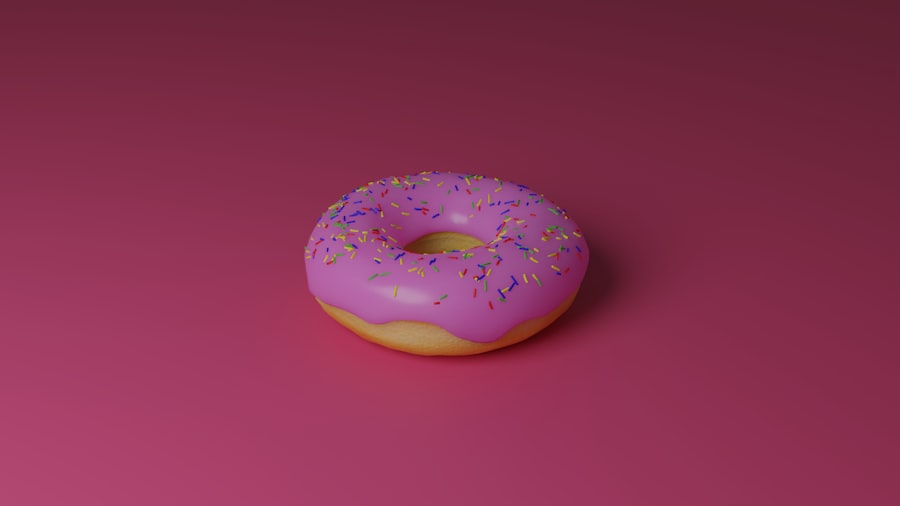
The application of glaze can be approached through various techniques, each yielding distinct results. One common method is dipping, where the ceramic piece is submerged in a container filled with glaze. This technique allows for an even coating and is particularly effective for larger pieces.
Brushing is another popular technique that offers greater control over application.
Artists can use brushes to apply glaze in specific areas or create patterns and textures. This method is ideal for intricate designs or when layering multiple glazes to achieve depth and complexity. However, brushing can sometimes lead to uneven coverage if not applied skillfully.
Spraying is yet another technique that provides a smooth finish and is often used for larger production runs. It allows for a fine mist of glaze to be applied evenly across surfaces but requires specialized equipment and safety precautions due to the inhalation risks associated with fine particles.
Firing Your Glazed Creations
| Glazed Creations | Firing Metrics |
|---|---|
| Temperature | 1200-1300°C |
| Firing Time | 8-10 hours |
| Cooling Time | 12-24 hours |
| Glaze Maturity | Visual inspection for glossiness and smoothness |
Firing is a critical step in the glazing process that transforms raw clay and applied glaze into durable ceramic ware. The firing process involves heating the pieces in a kiln to high temperatures, which causes chemical reactions that fuse the glaze to the clay body. The type of kiln used—electric, gas, or wood—can influence the final outcome due to variations in heat distribution and atmosphere within the kiln.
The firing schedule is also essential; it typically consists of three stages: bisque firing, glaze application firing, and cooling. During bisque firing, unglazed pottery is heated to around 1830°F (1000°C) to remove moisture and organic materials from the clay. After glazing, a second firing occurs at higher temperatures to mature the glaze and achieve its final appearance.
Troubleshooting Common Glaze Problems
Despite careful planning and execution, issues can arise during glazing and firing that affect the final product. One common problem is crazing, characterized by fine cracks on the surface of the glaze. This often occurs when there is a mismatch between the expansion rates of the glaze and clay body during cooling.
To mitigate crazing, potters can adjust their glaze formulations or select clays with similar thermal expansion properties. Another frequent issue is pinholing, where small holes appear in the glaze surface after firing. Pinholes can result from trapped air bubbles or impurities in the glaze mixture.
To address this problem, potters should ensure thorough mixing of glazes and consider using a finer sieve to eliminate any particles that could cause blockages during firing. Additionally, adjusting firing schedules to allow for longer hold times at peak temperatures can help eliminate pinholes by giving gases more time to escape.
Experimenting with Layering and Mixing Glazes
Layering for Complex Effects
One of the most exciting aspects of working with glazes is the ability to experiment with layering different formulations to create unique effects. This involves applying multiple glazes on top of one another, which can result in complex color interactions and textures when fired. For example, applying a transparent glaze over an opaque one can allow underlying colors to show through while adding depth.
Mixing Glazes with Caution
Mixing glazes can also yield interesting results; however, it requires careful consideration of compatibility between different formulations. Some glazes may react negatively when combined, leading to undesirable effects such as bubbling or discoloration.
Testing for Success
To explore this technique safely, potters often conduct small test tiles before committing to larger pieces. This practice allows them to observe how different glazes interact under specific firing conditions without risking their main projects.
Adding Texture and Dimension with Glaze
Texture plays a vital role in enhancing the visual appeal of glazed ceramics. Artists can manipulate texture through various methods before applying glaze or by selecting glazes specifically designed to create textured surfaces during firing. For instance, using a textured roller or stamp on wet clay can imprint patterns that will be highlighted once glazed.
Certain glazes are formulated with additives that promote texture development during firing. For example, crystalline glazes contain materials that encourage crystal growth within the glaze matrix as it cools, resulting in stunning visual effects reminiscent of natural stone or minerals. Additionally, using techniques such as sgraffito—where designs are carved into leather-hard clay before glazing—can create striking contrasts between glazed and unglazed areas.
Finishing Touches: Sealing and Displaying Your Glazed Ceramics
Once ceramics have been successfully glazed and fired, additional finishing touches may be necessary depending on their intended use. For functional ware that will come into contact with food or liquids, applying a food-safe sealant can provide an extra layer of protection against stains or moisture absorption. This step is particularly important for porous clay bodies that may not be fully vitrified during firing.
When it comes to displaying glazed ceramics, presentation plays a crucial role in showcasing their beauty. Artists often consider factors such as lighting and arrangement when displaying their work. Utilizing stands or pedestals can elevate pieces off surfaces while allowing light to interact with their surfaces dynamically.
Additionally, incorporating complementary materials—such as wood or metal—can enhance the overall aesthetic while providing context for the ceramic work within a broader artistic vision.
If you’re looking for a delicious recipe to pair with Glaze, you should check out this