

Torte making is an exquisite culinary art that transcends mere baking; it is a celebration of flavors, textures, and creativity. Originating from Central Europe, particularly Austria and Hungary, tortes are rich, multi-layered cakes that often feature a variety of fillings and frostings. Unlike traditional cakes, which may rely heavily on flour, tortes are typically denser and can incorporate ground nuts, chocolate, or even fruit purees as their base.
This unique structure allows for a more complex flavor profile and a luxurious mouthfeel, making tortes a favorite for special occasions and celebrations. The process of creating a torte is as much about technique as it is about passion. Each layer must be crafted with precision, and the fillings must harmonize beautifully with the cake itself.
The artistry involved in torte making invites bakers to experiment with different ingredients and methods, resulting in a dessert that is not only delicious but also visually stunning. Whether you are a novice baker or an experienced pastry chef, understanding the fundamentals of torte making can elevate your baking repertoire and impress your guests with your culinary prowess.
Key Takeaways
- Torte making is a delicious and versatile dessert that can be customized to suit any occasion.
- Select high-quality ingredients such as premium chocolate, fresh fruits, and nuts for the best results.
- Master the art of layering by evenly spreading and stacking each layer of cake and filling.
- Create decadent fillings and frostings by experimenting with different flavors and textures.
- Perfect your torte presentation by using decorative toppings, edible flowers, and artistic drizzles.
Selecting the Perfect Ingredients
The foundation of any great torte lies in the quality of its ingredients. When selecting components for your torte, it is essential to prioritize freshness and flavor. For the cake layers, consider using high-quality chocolate if you are making a chocolate torte; the difference between a mass-produced chocolate and a gourmet variety can be profound.
Similarly, when using nuts, opt for whole nuts that you can grind yourself rather than pre-ground options, as this preserves their natural oils and enhances the overall flavor. In addition to chocolate and nuts, the choice of flour can significantly impact the texture of your torte.
However, experimenting with alternative flours such as almond flour or coconut flour can add unique flavors and textures to your creation. Furthermore, don’t overlook the importance of eggs; fresh, organic eggs can provide richer flavor and better structure to your layers. Lastly, consider incorporating high-quality vanilla extract or other flavorings to elevate the taste profile of your torte.
Mastering the Art of Layering
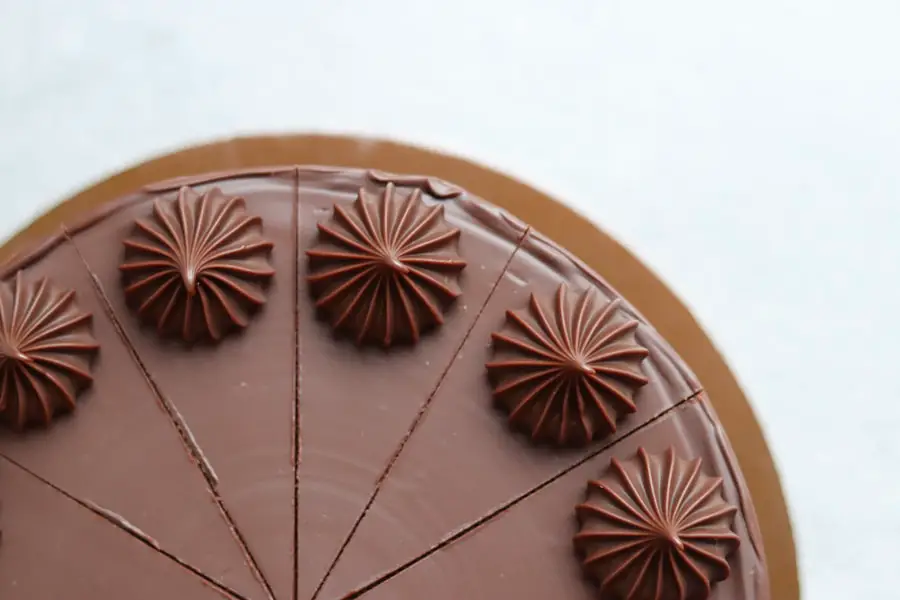
Layering is one of the most critical aspects of torte making, as it not only contributes to the visual appeal but also affects the overall taste experience. To achieve perfect layers, it is essential to bake your cake layers evenly. This can be accomplished by ensuring that your oven is properly calibrated and by using the right size pans.
When pouring batter into the pans, aim for an even distribution to prevent uneven rising. Additionally, using parchment paper at the bottom of the pans can help with easy removal once baked. Once your layers are baked and cooled, it’s time to assemble your torte.
A serrated knife or a cake leveler can be used to trim any domed tops off the layers for a flat surface. This step is crucial for stability and aesthetics. When stacking the layers, consider using a simple syrup to moisten them; this not only enhances flavor but also helps bind the layers together.
As you build your torte, take care to ensure that each layer is aligned properly. A rotating cake stand can be an invaluable tool during this process, allowing you to easily access all sides of your creation.
Creating Decadent Fillings and Frostings
| Fillings and Frostings | Recipe | Calories per serving | Sugar per serving (g) |
|---|---|---|---|
| Chocolate Ganache | Dark chocolate, heavy cream | 150 | 10 |
| Cream Cheese Frosting | Cream cheese, butter, powdered sugar | 200 | 15 |
| Vanilla Buttercream | Butter, powdered sugar, vanilla extract | 180 | 20 |
The fillings and frostings are where creativity truly shines in torte making. Classic options include rich ganaches, buttercreams, or fruit preserves, but the possibilities are virtually endless. For a chocolate torte, a dark chocolate ganache made with heavy cream can provide a luxurious filling that complements the cake layers beautifully.
Alternatively, consider incorporating flavored creams such as coffee or hazelnut for an added depth of flavor. When crafting frostings, balance is key. A sweet frosting can be offset by a tangy filling; for instance, pairing a rich chocolate layer with a tart raspberry filling creates a delightful contrast that excites the palate.
Additionally, consider texture when choosing your fillings; incorporating crunchy elements like crushed cookies or toasted nuts can add an interesting dimension to each bite. Experimenting with different combinations will not only enhance your torte but also allow you to develop your signature style.
Tips for Perfecting Torte Presentation
Presentation plays a vital role in elevating your torte from simply delicious to truly spectacular. The first step in achieving an impressive presentation is ensuring that your layers are even and well-assembled. Once your torte is stacked and filled, it’s time to apply a crumb coat—a thin layer of frosting that seals in any crumbs before applying the final layer of frosting.
This technique not only creates a smooth surface but also enhances the overall appearance. Decorative elements can further enhance your torte’s visual appeal. Fresh fruits, edible flowers, or chocolate shavings can add color and texture to your creation.
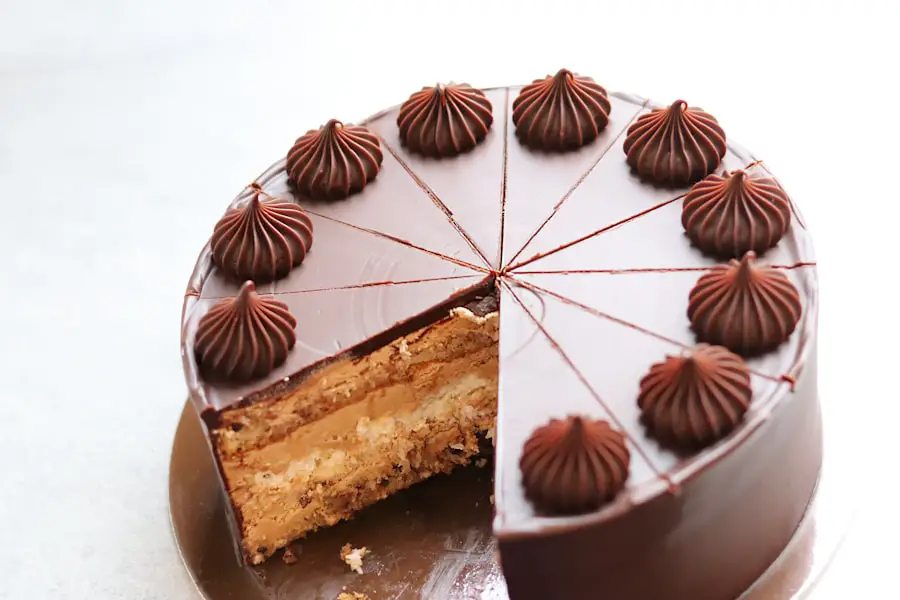
For instance, a chocolate torte adorned with fresh raspberries and mint leaves creates a striking contrast that draws the eye. Additionally, consider using piping techniques to create decorative borders or rosettes on top of your torte; this adds an elegant touch that showcases your skills as a baker. Lighting also plays an important role in presentation; serving your torte under soft lighting can enhance its allure.
Exploring Flavor Combinations
Classic Combinations with a Twist
While traditional pairings like chocolate and raspberry or vanilla and almond are timeless favorites, don’t be afraid to venture into more adventurous territory. For instance, combining citrus flavors like lemon or orange with rich chocolate creates an unexpected yet delightful contrast that tantalizes the taste buds.
Spices and Seasonal Ingredients
Incorporating spices like cardamom or cinnamon into your batter or fillings adds warmth and complexity to your tortes. Seasonal ingredients can also inspire unique flavor combinations. In autumn, try using pumpkin puree combined with warm spices for a cozy fall-inspired torte. In spring, fresh berries paired with lemon zest create a light and refreshing dessert perfect for warmer weather.
Herbal Inspirations
Think about incorporating herbs into your tortes; basil or rosemary can lend an intriguing twist when paired with fruits or chocolates. The key to creating a successful torte is to balance flavors so that no single element overpowers another, resulting in a harmonious blend of flavors.
Troubleshooting Common Torte Making Issues
Even experienced bakers encounter challenges when making tortes; however, understanding common issues can help you troubleshoot effectively. One frequent problem is dry cake layers, which can result from overbaking or using too much flour in the batter. To avoid this issue, always measure flour accurately—using the spoon-and-level method rather than scooping directly from the bag—and keep an eye on baking times to ensure layers remain moist.
Another common issue is uneven layers or collapsing tortes. This can occur if the batter is not mixed properly or if the oven temperature fluctuates during baking.
If you find that your torte has collapsed after baking, it may be due to underbaking; always perform the toothpick test to check for doneness before removing cakes from the oven.
Serving and Enjoying Your Masterpiece
Once you have successfully crafted your torte, it’s time to share it with others and enjoy the fruits of your labor. When serving your torte, consider slicing it into smaller portions; this not only makes it easier for guests to enjoy but also allows them to savor each layer and filling individually. A sharp knife dipped in hot water before cutting can help achieve clean slices without disturbing the layers.
Pairing your torte with complementary beverages can enhance the overall experience as well. A rich chocolate torte may be beautifully complemented by a robust coffee or espresso, while fruit-based tortes might pair well with sparkling wine or herbal teas. Encourage guests to take their time savoring each bite; after all, tortes are meant to be indulgent treats that celebrate both flavor and artistry in baking.
Sharing stories about the inspiration behind your creation can also add a personal touch to the experience, making it even more memorable for everyone involved.
If you enjoyed making Torte, you may also be interested in trying out this