

The origins of shortcake can be traced back to ancient civilizations, where the concept of combining flour, sugar, and fat to create a sweetened bread-like dessert began to take shape. The earliest known recipes for sweet cakes date back to the Roman Empire, where honey and nuts were often used to enhance the flavor of simple baked goods. However, it wasn’t until the 16th century that the term “shortcake” began to emerge in English culinary literature.
The word “short” refers to the crumbly texture achieved by using a higher fat content, typically from butter or lard, which shortens the gluten strands in the flour. By the 19th century, shortcake had evolved significantly, particularly in America, where it became a staple dessert during the summer months. The introduction of strawberries in North America played a pivotal role in popularizing shortcake as a seasonal treat.
The first known recipe for strawberry shortcake appeared in a cookbook published in 1847, and it quickly gained popularity at social gatherings and picnics. As time progressed, variations of shortcake began to emerge, incorporating different fruits and flavors, leading to the diverse interpretations we enjoy today.
Key Takeaways
- Shortcake has a long history, with ancient origins and modern variations.
- The basics of making shortcake involve simple ingredients and techniques for success.
- Sweet and savory shortcake recipes range from classic strawberry to unique flavors.
- Shortcake can be enjoyed for every occasion, from parties to everyday enjoyment.
- Tips for perfect shortcake include baking, assembly, and presentation techniques.
The Basics of Making Shortcake: Ingredients and Techniques for Success
The Essential Ingredients
A perfect shortcake begins with understanding its fundamental components. The primary ingredients include flour, sugar, baking powder, salt, butter, and cream or milk. The choice of flour is crucial; all-purpose flour is commonly used for its balanced protein content, which provides structure while still allowing for a tender crumb.
The Role of Sugar and Mixing Technique
The sugar not only sweetens the cake but also contributes to its texture by helping to create a light and airy structure when creamed with butter. The technique of mixing is equally important in achieving the desired texture. When making shortcake, it is essential to handle the dough gently to avoid overworking it, which can lead to a tough final product.
Working with Butter and Wet Ingredients
The butter should be cold and cut into small pieces before being incorporated into the dry ingredients. This method creates small pockets of fat that melt during baking, resulting in a flaky texture. Once the wet ingredients are added, mixing should be done just until combined; any excess handling can develop gluten and compromise the cake’s tenderness.
Sweet and Savory Shortcake Recipes: From Classic Strawberry to Unique Flavors
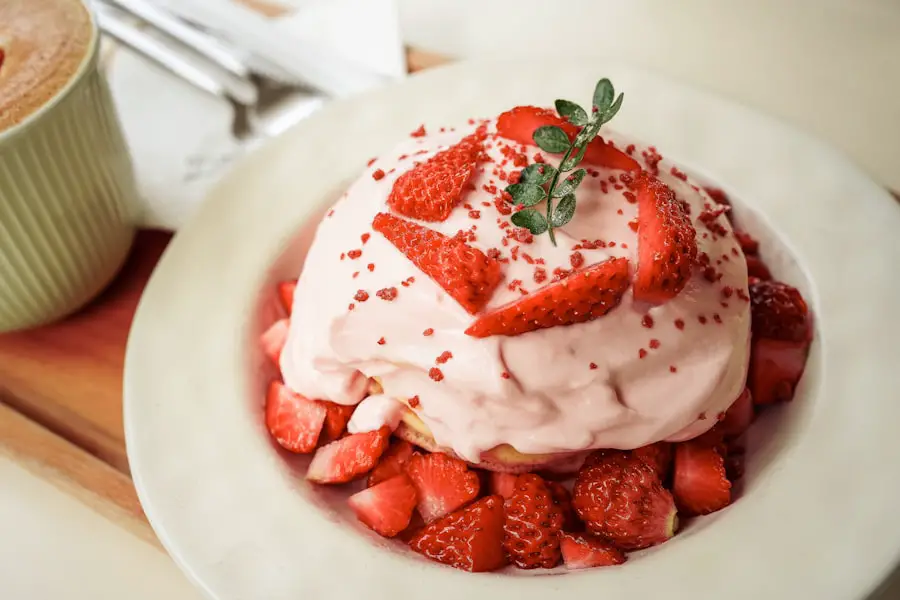
While strawberry shortcake remains the quintessential version of this dessert, there are countless variations that cater to different tastes and preferences. For instance, peach shortcake is a delightful alternative that captures the essence of summer with its juicy fruit and fragrant aroma. To make peach shortcake, ripe peaches are sliced and tossed with a bit of sugar and lemon juice before being layered between fluffy biscuits and whipped cream.
On the savory side, shortcakes can be transformed into an unexpected yet delicious dish. A savory herb shortcake can serve as a base for toppings like roasted vegetables or creamy goat cheese. By incorporating fresh herbs such as rosemary or thyme into the dough, the shortcake takes on a unique flavor profile that pairs beautifully with savory accompaniments.
This versatility allows shortcake to transcend its traditional boundaries and be enjoyed in various culinary contexts.
Shortcake for Every Occasion: Desserts for Parties, Holidays, and Everyday Enjoyment
| Occasion | Number of Shortcake Recipes |
|---|---|
| Parties | 15 |
| Holidays | 10 |
| Everyday Enjoyment | 20 |
Shortcake is an incredibly versatile dessert that can be adapted for any occasion, from casual family dinners to elegant celebrations. For birthdays or special events, a layered shortcake can be an impressive centerpiece.
Adding decorative touches like edible flowers or chocolate shavings can elevate the presentation even further. During holidays such as Thanksgiving or Christmas, shortcake can be infused with seasonal flavors. A pumpkin spice shortcake topped with spiced whipped cream offers a festive twist on the classic recipe.
Alternatively, a cranberry-orange shortcake can provide a refreshing contrast to heavier holiday fare. These adaptations not only celebrate seasonal ingredients but also allow for creativity in the kitchen while maintaining the comforting essence of traditional shortcake.
Tips for Perfect Shortcake: Baking, Assembly, and Presentation
Achieving the perfect shortcake requires attention to detail at every stage of preparation. One key tip is to ensure that all ingredients are at the right temperature; cold butter is essential for creating a flaky texture, while room temperature dairy products help with proper mixing. Additionally, preheating the oven is crucial; starting with a hot oven ensures that the shortcakes rise properly and develop a golden crust.
When it comes to assembly, layering is an art form in itself. To prevent sogginess, it’s advisable to let the biscuits cool completely before adding toppings. A layer of whipped cream can act as a barrier between the biscuit and juicy fruits, preserving their texture.
For presentation, consider using clear glass dishes or individual serving cups to showcase the beautiful layers of fruit and cream. Garnishing with fresh mint leaves or a dusting of powdered sugar can add an elegant touch that enhances both visual appeal and flavor.
Shortcake Around the World: Different Cultural Takes on this Delicious Dessert
Japan’s Delicate Balance
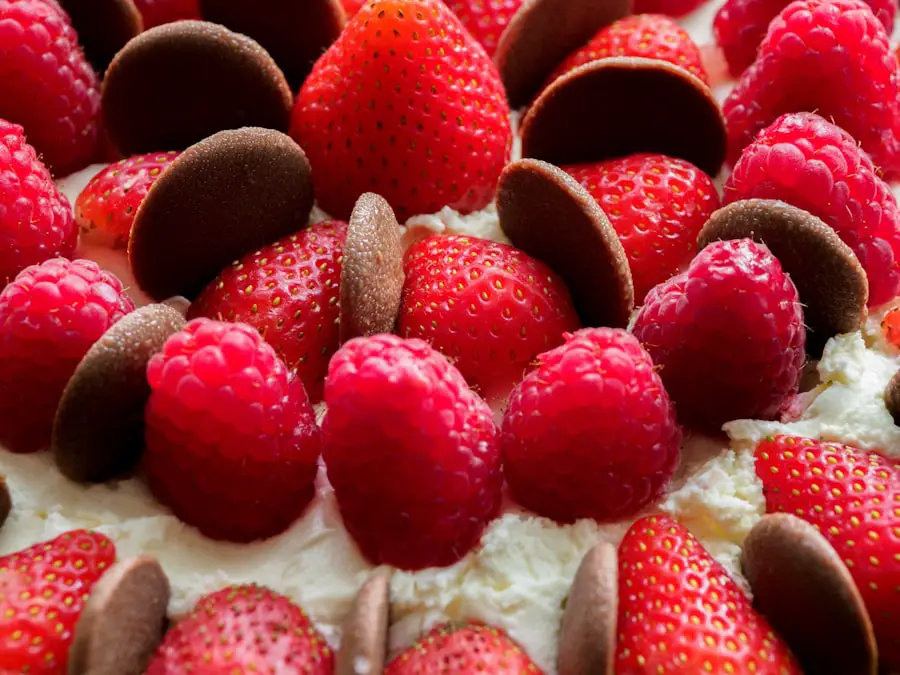
In Japan, strawberry shortcake is a popular dessert that features a light sponge cake layered with whipped cream and fresh strawberries. This version is all about finding a delicate balance of sweetness and creaminess, reflecting Japanese culinary aesthetics.
Italy’s Simple yet Elegant Approach
In Italy, a similar concept exists in the form of “torta di fragole,” or strawberry cake. This dessert typically features layers of sponge cake soaked in syrup and filled with strawberries and cream. The Italian approach emphasizes simplicity and quality ingredients, allowing the natural flavors of fresh fruit to shine through.
A Dessert that Transcends Borders
These cultural variations highlight how shortcake has managed to transcend borders while still maintaining its core identity as a delightful dessert. Despite the different approaches, shortcake remains a beloved treat that brings people together across cultures.
Healthier Shortcake Options: Low-Sugar, Gluten-Free, and Vegan Variations
As dietary preferences evolve, so too do adaptations of traditional recipes like shortcake. For those seeking lower-sugar options, using natural sweeteners such as honey or maple syrup can provide sweetness without overwhelming calories. Additionally, incorporating fruits like bananas or applesauce into the batter can enhance moisture while reducing added sugars.
Gluten-free variations have also gained popularity due to increased awareness of gluten sensitivities. Almond flour or coconut flour can serve as excellent substitutes for traditional wheat flour while imparting unique flavors and textures. For vegan adaptations, replacing dairy products with plant-based alternatives such as almond milk or coconut cream allows those following a vegan lifestyle to enjoy this classic dessert without compromising on taste or texture.
Shortcake Pairings: The Best Beverages and Toppings to Complement this Sweet Treat
Pairing beverages with shortcake can elevate the overall dining experience by enhancing flavors and providing balance. A classic choice is sweet tea or lemonade during warm months; their refreshing qualities complement the richness of whipped cream and fruit beautifully. For those who prefer something stronger, sparkling wine or champagne can add an element of sophistication while cutting through the sweetness.
Toppings also play a crucial role in enhancing shortcake’s appeal. While whipped cream is traditional, experimenting with flavored creams—such as vanilla bean or lavender-infused—can introduce new dimensions of flavor. Fresh herbs like basil or mint can also provide an unexpected twist when sprinkled atop fruit layers.
These thoughtful pairings not only enhance the enjoyment of shortcake but also invite creativity in crafting personalized dessert experiences that cater to individual tastes and preferences.
If you’re looking for a delicious dessert to pair with your meal, why not try making a classic Shortcake? This recipe from com/tomato-salad-with-corn-summer-squash-roasted/’>Flavorful Sips combines sweet strawberries with a buttery biscuit base for a delightful treat.
The light and fluffy texture of the shortcake pairs perfectly with the juicy berries, making it a refreshing end to any meal. Give it a try and impress your guests with this simple yet elegant dessert option.
FAQs
What is shortcake?
Shortcake is a sweet, crumbly cake or biscuit that is typically made with flour, sugar, baking powder, salt, butter, milk, and sometimes eggs. It is often used as a base for desserts such as strawberry shortcake.
How is shortcake different from regular cake?
Shortcake is different from regular cake in that it has a crumbly texture due to the high ratio of fat to flour. It is also typically less sweet and more biscuit-like in flavor.
What are some common toppings for shortcake?
Common toppings for shortcake include whipped cream, fresh berries (such as strawberries, raspberries, or blueberries), and fruit compote. Some people also enjoy adding a scoop of ice cream on top.
Is shortcake the same as sponge cake?
No, shortcake is not the same as sponge cake. Shortcake has a crumbly texture and is made with a higher ratio of fat to flour, while sponge cake has a light and airy texture and is made with a higher ratio of eggs to flour.
Can shortcake be made in advance?
Yes, shortcake can be made in advance and stored in an airtight container at room temperature for up to 2 days. It can also be frozen for longer storage.