

A balanced vegetarian diet is more than just a collection of meatless meals; it’s a thoughtful approach to nutrition that emphasizes variety and balance. At its core, this diet excludes meat, but it can include a wide range of foods such as fruits, vegetables, grains, legumes, nuts, and dairy products. The goal is to create meals that are not only satisfying but also nutritionally complete. Many people choose vegetarianism for various reasons, including health benefits, ethical considerations, or environmental concerns.
Transitioning to a vegetarian diet can be an exciting journey. It opens up a world of flavors and ingredients that you might not have explored before. However, it’s essential to ensure that your meals are well-rounded and provide all the necessary nutrients your body needs to thrive. This article will delve into the benefits of a vegetarian diet, key nutrients to focus on, and practical tips for meal planning and preparation.
For those looking to enhance their vegetarian meal planning, you might find inspiration in the article on hearty soups that not only satisfy your taste buds but also provide extra health benefits. Incorporating soups into your 7-Day Meal Plan for a Balanced Vegetarian Diet can be a delicious way to ensure you’re getting a variety of nutrients. Check out the article here: 10 Hearty Soup Recipes with Extra Health Benefits.
Key Takeaways
- A balanced vegetarian diet includes a variety of fruits, vegetables, whole grains, legumes, nuts, and seeds to ensure adequate nutrient intake.
- Benefits of a vegetarian diet include lower risk of heart disease, high blood pressure, type 2 diabetes, and certain types of cancer.
- Key nutrients to include in a vegetarian meal plan are protein, iron, calcium, vitamin D, vitamin B12, and omega-3 fatty acids.
- A sample 7-day meal plan for a balanced vegetarian diet may include meals like quinoa salad, lentil soup, tofu stir-fry, and chickpea curry.
- Tips for planning and preparing vegetarian meals include meal prepping, experimenting with new recipes, and incorporating a variety of flavors and textures.
Benefits of a Vegetarian Diet
Adopting a vegetarian diet comes with numerous health benefits. Research has shown that vegetarians often have lower risks of chronic diseases such as heart disease, hypertension, and type 2 diabetes. This is largely attributed to the higher intake of fruits, vegetables, and whole grains, which are rich in essential vitamins, minerals, and antioxidants.
These foods help reduce inflammation and improve overall health.
In addition to physical health benefits, many people find that a vegetarian diet can positively impact mental well-being. Eating a variety of plant-based foods can enhance mood and energy levels. Moreover, the ethical aspect of vegetarianism—knowing that you are making choices that are kinder to animals and the planet—can lead to a greater sense of fulfillment and purpose in your daily life.
Key Nutrients to Include in a Vegetarian Meal Plan
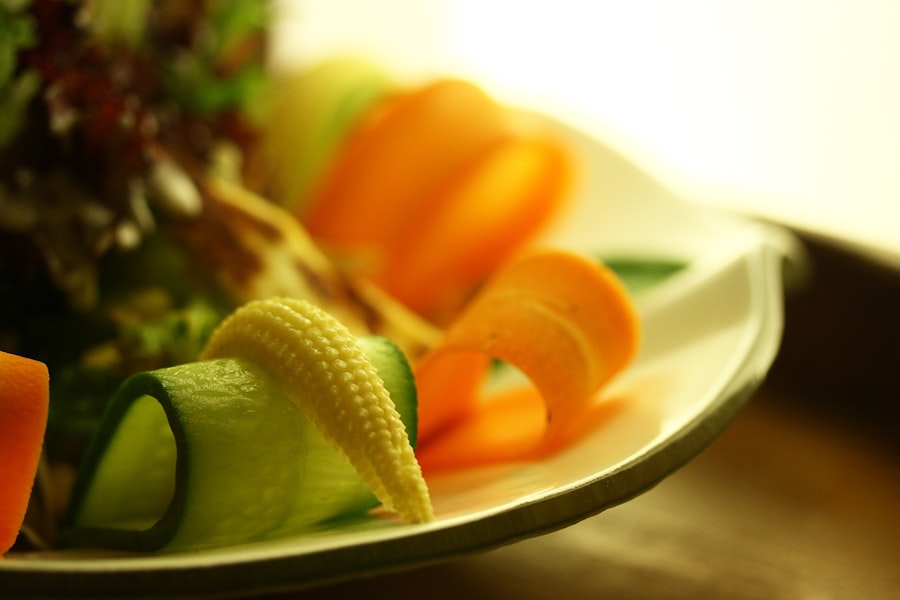
While a vegetarian diet can be incredibly nutritious, it’s crucial to pay attention to certain nutrients that might be less abundant in plant-based foods. Protein is one of the primary concerns for many transitioning to vegetarianism. However, there are plenty of excellent sources available, such as beans, lentils, tofu, tempeh, and quinoa. Incorporating a variety of these foods can help ensure you meet your protein needs.
Another nutrient to consider is vitamin B12, which is primarily found in animal products. Vegetarians should look for fortified foods or consider taking a supplement to avoid deficiency. Iron is another important nutrient; while plant-based sources like spinach and lentils contain iron, they also have compounds that can inhibit absorption. Pairing these foods with vitamin C-rich items like citrus fruits can enhance iron absorption significantly.
Sample 7-Day Meal Plan for a Balanced Vegetarian Diet
Creating a balanced meal plan can simplify your transition to vegetarianism. Here’s a sample 7-day meal plan that incorporates a variety of foods:
**Day 1:**
– Breakfast: Overnight oats with almond milk, chia seeds, and mixed berries.
– Lunch: Quinoa salad with black beans, corn, avocado, and lime dressing.
– Dinner: Stir-fried tofu with broccoli, bell peppers, and brown rice.
**Day 2:**
– Breakfast: Smoothie with spinach, banana, peanut butter, and almond milk.
– Lunch: Hummus wrap with mixed veggies and whole grain pita.
– Dinner: Lentil soup with whole grain bread.
**Day 3:**
– Breakfast: Greek yogurt with honey and granola.
– Lunch: Caprese salad with fresh mozzarella, tomatoes, basil, and balsamic glaze.
– Dinner: Vegetable curry with chickpeas served over basmati rice.
**Day 4:**
– Breakfast: Whole grain toast with avocado and poached eggs.
– Lunch: Spinach salad with walnuts, feta cheese, and cranberries.
– Dinner: Stuffed bell peppers with quinoa and black beans.
**Day 5:**
– Breakfast: Chia pudding topped with sliced bananas and almonds.
– Lunch: Vegetable sushi rolls with soy sauce.
– Dinner: Pasta primavera with seasonal vegetables and olive oil.
**Day 6:**
– Breakfast: Smoothie bowl topped with granola and fresh fruit.
– Lunch: Falafel salad with tahini dressing.
– Dinner: Eggplant Parmesan with a side of steamed green beans.
**Day 7:**
– Breakfast: Pancakes made with whole wheat flour served with maple syrup.
– Lunch: Grilled vegetable sandwich on whole grain bread.
– Dinner: Zucchini noodles with marinara sauce and lentil meatballs.
This meal plan provides a variety of flavors and nutrients while keeping things interesting throughout the week.
If you’re looking to enhance your vegetarian meal planning, you might find inspiration in a related article that features a refreshing salad recipe. The this link. Incorporating such flavorful meals can make your 7-day meal plan both nutritious and enjoyable.
Snack Ideas for a Vegetarian Diet
Snacking can be an enjoyable part of a vegetarian diet if you choose wisely. Instead of reaching for processed snacks that may lack nutrients, consider healthier options that will keep you satisfied between meals. Fresh fruits like apples or bananas are always great choices. Pair them with nut butter for added protein.
Vegetable sticks with hummus or guacamole make for crunchy and satisfying snacks as well. You might also enjoy trail mix made from nuts, seeds, and dried fruit—just watch the portion sizes since nuts are calorie-dense. For something more filling, try whole grain crackers topped with cheese or avocado.
Eating Out as a Vegetarian
Dining out as a vegetarian can sometimes feel challenging, but many restaurants now offer diverse plant-based options. When choosing where to eat, look for places that have dedicated vegetarian or vegan menus. Ethnic cuisines like Indian or Mediterranean often feature delicious vegetarian dishes that are both satisfying and flavorful.
When you’re at the restaurant, don’t hesitate to ask questions about how dishes are prepared or request modifications to make them vegetarian-friendly. Many chefs are happy to accommodate dietary preferences if you ask politely. Additionally, consider sharing dishes with friends or family; this way you can sample multiple items without feeling overwhelmed by choices.
Conclusion and Additional Resources
Transitioning to a balanced vegetarian diet can be rewarding both for your health and the environment. By focusing on variety and ensuring you get all the necessary nutrients, you can enjoy delicious meals while feeling good about your choices. Remember that it’s perfectly okay to take your time adjusting to this new lifestyle; every small change counts.
For further guidance on vegetarian nutrition, consider consulting resources like the Academy of Nutrition and Dietetics or books focused on plant-based eating. Online communities can also provide support and inspiration as you navigate your vegetarian journey. Embrace the process—there’s a whole world of flavors waiting for you!
FAQs
What is a balanced vegetarian diet?
A balanced vegetarian diet includes a variety of fruits, vegetables, whole grains, legumes, nuts, and seeds to ensure adequate intake of essential nutrients such as protein, iron, calcium, and vitamin B12.
What are the benefits of following a balanced vegetarian diet?
Following a balanced vegetarian diet can lead to lower risk of heart disease, high blood pressure, type 2 diabetes, and certain types of cancer. It can also contribute to weight management and overall better health.
What are some key components of a 7-day meal plan for a balanced vegetarian diet?
A 7-day meal plan for a balanced vegetarian diet may include a variety of meals such as quinoa salad, lentil soup, vegetable stir-fry, chickpea curry, tofu tacos, and mixed bean chili. It should also incorporate a mix of fruits, vegetables, whole grains, and plant-based protein sources.
How can I ensure I am getting enough protein on a balanced vegetarian diet?
Protein sources for a balanced vegetarian diet include tofu, tempeh, seitan, lentils, chickpeas, black beans, quinoa, and nuts. Incorporating a variety of these protein-rich foods into meals throughout the week can help ensure adequate protein intake.
What are some tips for maintaining a balanced vegetarian diet?
Some tips for maintaining a balanced vegetarian diet include planning meals ahead of time, incorporating a variety of plant-based foods, being mindful of nutrient intake, and considering supplementation for nutrients that may be lacking in a vegetarian diet, such as vitamin B12.